THE ADVENTURE COLLECTIVE® · Independent discovery and booking for outdoor travel

Follow William Wallace’s trail in a single day: Elderslie, Dumbarton Castle and the Stirling Wallace Monument. This private tour blends compact history, short walks and a climb for panoramic views.
Follow William Wallace’s trail in a single day: Elderslie, Dumbarton Castle and the Stirling Wallace Monument. This private tour blends compact history, short walks and a climb for panoramic views.
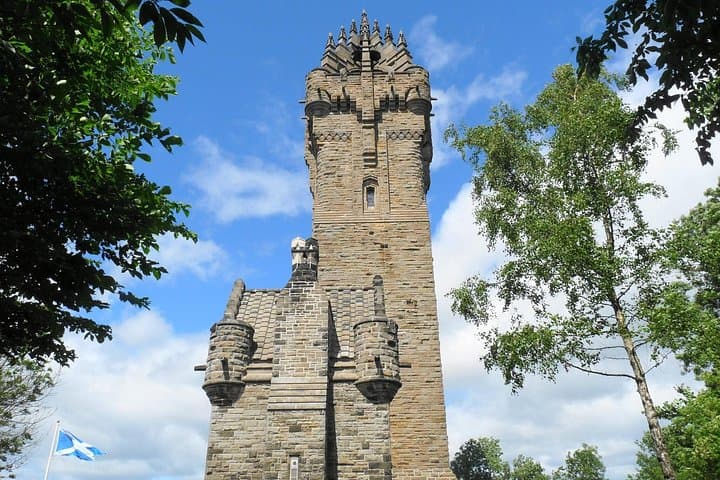
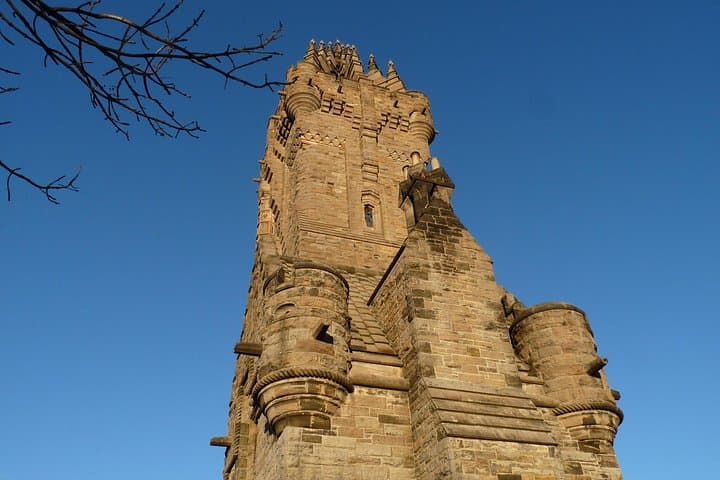
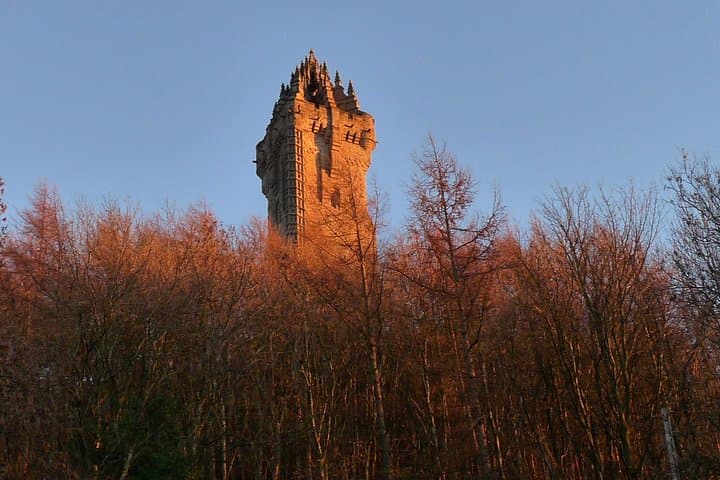
Fog hangs low over the River Clyde as the van eases out of Glasgow, the road unspooling toward the low hills where a 13th‑century rebel once watched an army approach. You meet your guide, climb in, and the day becomes a tight loop through roadside history — a birthplace yard, a riverside rock crowned by a medieval keep, and a towering Victorian monument that forces you to climb 246 stone steps for the view.
Verified experiences and guided adventures in the surrounding area.
Operated by Tartan Tours Scotland · Stirling, Scotland
Fog hangs low over the River Clyde as the van eases out of Glasgow, the road unspooling toward the low hills where a 13th‑century rebel once watched an army approach. You meet your guide, climb in, and the day becomes a tight loop through roadside history — a birthplace yard, a riverside rock crowned by a medieval keep, and a towering Victorian monument that forces you to climb 246 stone steps for the view.
William Wallace's story is stitched into Scotland's landscape: Elderslie claims his birth, Dumbarton Castle once held prisoners and guarded the Clyde, and the National Wallace Monument at Abbey Craig commemorates the 1297 Stirling victory. Geology here is quietly dramatic — sandstone and volcanic plugs form steep outcrops and bridge the lowlands to the Highlands; the River Forth cuts through the corridor Wallace used to watch troop movements.
Expect a day of short walks, cobbled lanes, and a stairway ascent that rewards you with sweeping views of the Forth and Stirling Castle. Guides weave archival detail with local lore; museums display the plastered Wallace Sword and artifacts that place the rebellion in the broader Wars of Independence.
Practical side: wear sturdy shoes and bring a waterproof layer — Scottish weather shifts fast. Carry water and snacks (some stops have limited cafés), and plan for roughly eight hours with several brief museum or viewpoint stops. Mobility constraints matter; the Monument’s upper levels are reached by narrow stairs. Bookings usually include pickup and private transport; confirm pickup point and monument opening times in advance to make the most of daylight.
Admissions are typically not included in the base tour price; confirm with the operator whether entrance fees are covered when you book.
Most bookings include round‑trip pickup from central Glasgow or Stirling hotels — you'll be asked your pickup point at booking.
The tour involves stair climbs and some uneven surfaces; operators recommend moderate fitness and note it may not be suitable for pregnant travelers or very young children on the upper levels.
Expect short walks at each site (typically under a mile at each stop) plus the Monument stair ascent; overall walking is moderate but spread across the day.
Tartan Tours Scotland operates guided outdoor trips and adventures with an emphasis on safety, stewardship, and memorable experiences.

Fog hangs low over the River Clyde as the van eases out of Glasgow, the road unspooling toward the low hills where a 13th‑century rebel once watched an army approach. You meet your guide, climb in, and the day becomes a tight loop through roadside history — a birthplace yard, a riverside rock crowned by a medieval keep, and a towering Victorian monument that forces you to climb 246 stone steps for the view.
Fog hangs low over the River Clyde as the van eases out of Glasgow, the road unspooling toward the low hills where a 13th‑century rebel once watched an army approach. You meet your guide, climb in, and the day becomes a tight loop through roadside history — a birthplace yard, a riverside rock crowned by a medieval keep, and a towering Victorian monument that forces you to climb 246 stone steps for the view.
William Wallace's story is stitched into Scotland's landscape: Elderslie claims his birth, Dumbarton Castle once held prisoners and guarded the Clyde, and the National Wallace Monument at Abbey Craig commemorates the 1297 Stirling victory. Geology here is quietly dramatic — sandstone and volcanic plugs form steep outcrops and bridge the lowlands to the Highlands; the River Forth cuts through the corridor Wallace used to watch troop movements.
Expect a day of short walks, cobbled lanes, and a stairway ascent that rewards you with sweeping views of the Forth and Stirling Castle. Guides weave archival detail with local lore; museums display the plastered Wallace Sword and artifacts that place the rebellion in the broader Wars of Independence.
Practical side: wear sturdy shoes and bring a waterproof layer — Scottish weather shifts fast. Carry water and snacks (some stops have limited cafés), and plan for roughly eight hours with several brief museum or viewpoint stops. Mobility constraints matter; the Monument’s upper levels are reached by narrow stairs. Bookings usually include pickup and private transport; confirm pickup point and monument opening times in advance to make the most of daylight.