THE ADVENTURE COLLECTIVE® · Independent discovery and booking for outdoor travel

Spend a day walking Manhattan’s Upper West Side, Central Park and landmark stations with a local guide who pairs architecture, immigrant history and food tips. This private tour blends neighborhood stories with practical navigation advice for first‑timers and repeat visitors.
Spend a day walking Manhattan’s Upper West Side, Central Park and landmark stations with a local guide who pairs architecture, immigrant history and food tips. This private tour blends neighborhood stories with practical navigation advice for first‑timers and repeat visitors.
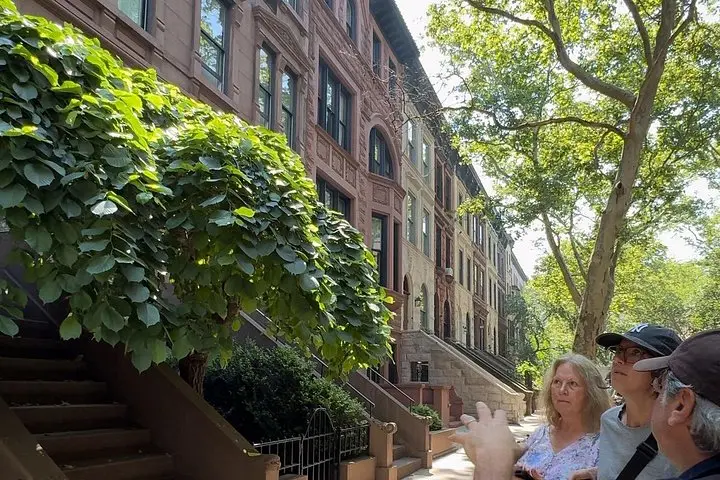
You meet on a brisk Upper West Side morning at the 96th Street stop, where the city wakes with the smell of fresh bagels and subway steel underfoot. Mike — a New Yorker with decades of street‑level knowledge — leads a route that moves from tree-lined brownstones into the wide lawns of Central Park, then onward through landmarked stations and neighborhood markets. The pace feels like the city itself: purposeful, conversational, and full of small reveals.
Verified experiences and guided adventures in the surrounding area.
Operated by New York City Explained · New York, NY
You meet on a brisk Upper West Side morning at the 96th Street stop, where the city wakes with the smell of fresh bagels and subway steel underfoot. Mike — a New Yorker with decades of street‑level knowledge — leads a route that moves from tree-lined brownstones into the wide lawns of Central Park, then onward through landmarked stations and neighborhood markets. The pace feels like the city itself: purposeful, conversational, and full of small reveals.
This tour threads together Manhattan’s layered history — from Lenape paths to Dutch settlements, through the grid laid down in 1811 and the rise of Beaux‑Arts civic pride visible at Grand Central. Geology makes an appearance in the form of Manhattan schist foundations that let brownstones and towers stand; culture emerges in immigrant courtyards, bakeries, and off‑beat storefronts that keep neighborhoods changing yet familiar.
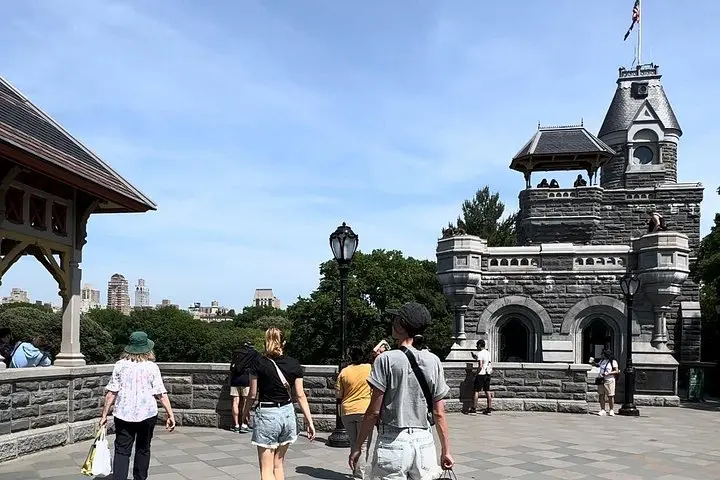
Expect a mixed itinerary: architecture stops, park highlights like Bethesda Terrace, a transit‑history moment in Grand Central, and neighborhood food tastings or recommendations. Mike’s anecdotes tie buildings to people, and his public‑transport tips help you move on your own after the tour.
Practical edge: this is a walking day — plan for 6–7 hours, layered clothing for unpredictable microclimates, and a small daypack for water and purchases. Bring a transit card, comfortable walking shoes, and an appetite for both stories and local bites. The city will test your steps and reward your curiosity — the streets dare you to look up and ask why things are the way they are.
The tour runs about 6–7 hours and typically covers several miles of walking at an easy to steady pace, with stops for stories, architecture, and food recommendations.
Yes — because this is a private tour the guide can tailor stops and pacing to interests like architecture, food, or neighborhood history when booked.
Yes — the guide may use subways or buses to move between distant neighborhoods; having OMNY or a MetroCard is helpful.
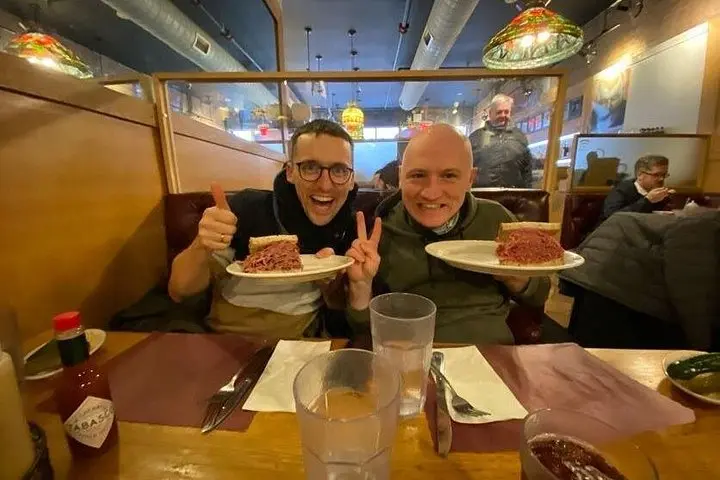
The guide offers local recommendations and may include or arrange small tastings; check the booking details for specific inclusions and bring cash or card for additional purchases.
New York City Explained operates guided outdoor trips and adventures with an emphasis on safety, stewardship, and memorable experiences.
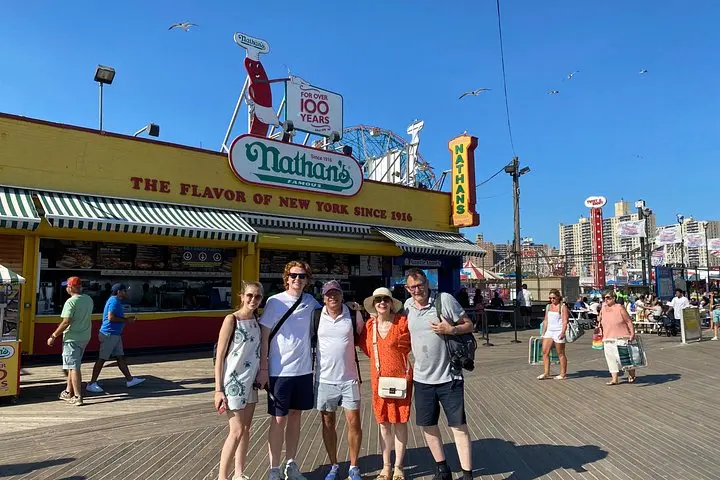
You meet on a brisk Upper West Side morning at the 96th Street stop, where the city wakes with the smell of fresh bagels and subway steel underfoot. Mike — a New Yorker with decades of street‑level knowledge — leads a route that moves from tree-lined brownstones into the wide lawns of Central Park, then onward through landmarked stations and neighborhood markets. The pace feels like the city itself: purposeful, conversational, and full of small reveals.
You meet on a brisk Upper West Side morning at the 96th Street stop, where the city wakes with the smell of fresh bagels and subway steel underfoot. Mike — a New Yorker with decades of street‑level knowledge — leads a route that moves from tree-lined brownstones into the wide lawns of Central Park, then onward through landmarked stations and neighborhood markets. The pace feels like the city itself: purposeful, conversational, and full of small reveals.
This tour threads together Manhattan’s layered history — from Lenape paths to Dutch settlements, through the grid laid down in 1811 and the rise of Beaux‑Arts civic pride visible at Grand Central. Geology makes an appearance in the form of Manhattan schist foundations that let brownstones and towers stand; culture emerges in immigrant courtyards, bakeries, and off‑beat storefronts that keep neighborhoods changing yet familiar.
Expect a mixed itinerary: architecture stops, park highlights like Bethesda Terrace, a transit‑history moment in Grand Central, and neighborhood food tastings or recommendations. Mike’s anecdotes tie buildings to people, and his public‑transport tips help you move on your own after the tour.
Practical edge: this is a walking day — plan for 6–7 hours, layered clothing for unpredictable microclimates, and a small daypack for water and purchases. Bring a transit card, comfortable walking shoes, and an appetite for both stories and local bites. The city will test your steps and reward your curiosity — the streets dare you to look up and ask why things are the way they are.