THE ADVENTURE COLLECTIVE® · Independent discovery and booking for outdoor travel

Walk Old Dubai with an English-speaking guide: cross the creek on a wooden abra, wander Al Fahidi’s wind-tower lanes, haggle in the Spice and Perfume souks, and taste local street food on a 5–6 hour tour. Practical insights and quiet corners make the history click into place.
Walk Old Dubai with an English-speaking guide: cross the creek on a wooden abra, wander Al Fahidi’s wind-tower lanes, haggle in the Spice and Perfume souks, and taste local street food on a 5–6 hour tour. Practical insights and quiet corners make the history click into place.
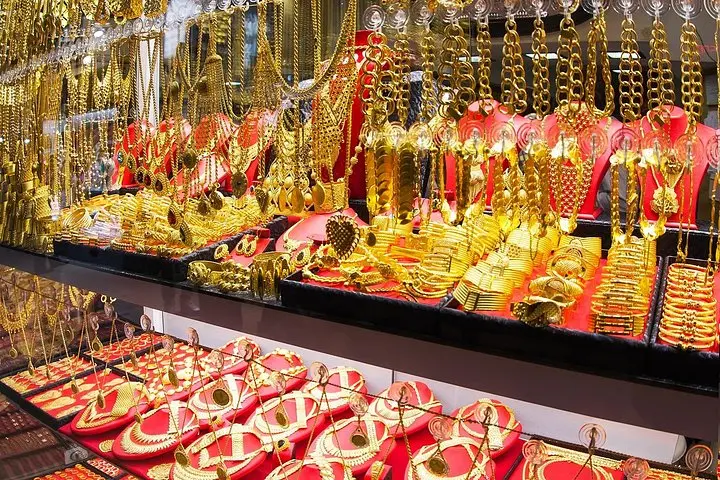
The morning heat is already refracting off corrugated metal and golden glass as you step from Bur Dubai's wide street into a maze of narrow alleys where cardamom, frankincense and diesel mingle in the air.
Verified experiences and guided adventures in the surrounding area.
Operated by Royal Vision Tourism · Dubai, Dubai
The morning heat is already refracting off corrugated metal and golden glass as you step from Bur Dubai's wide street into a maze of narrow alleys where cardamom, frankincense and diesel mingle in the air.
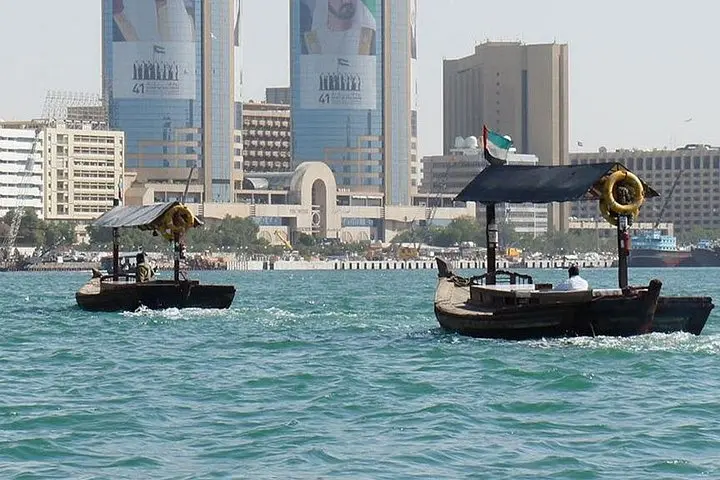
This guided walk pushes you through Al Fahidi’s wind-tower lanes, into the pulse of the Spice Souk and across Dubai Creek on a wooden abra that nudges the water with a practiced hand. The tour stitches together colonial-era merchant houses, the pearl-and-textile economy that shaped the creekside, and the modern skyline peeking over low rooftops.
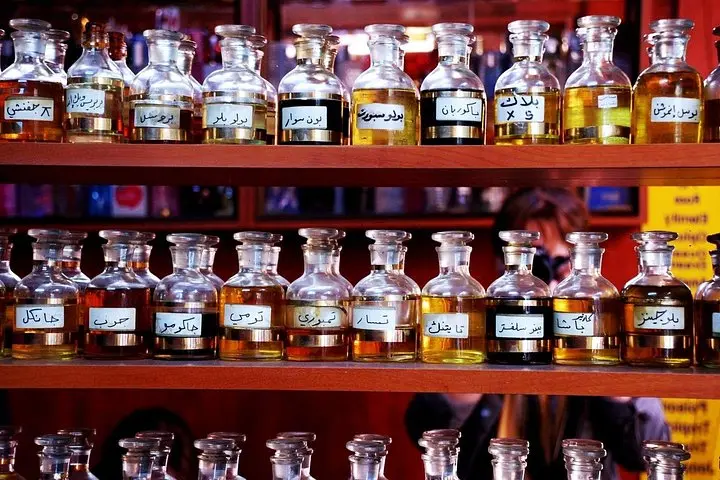
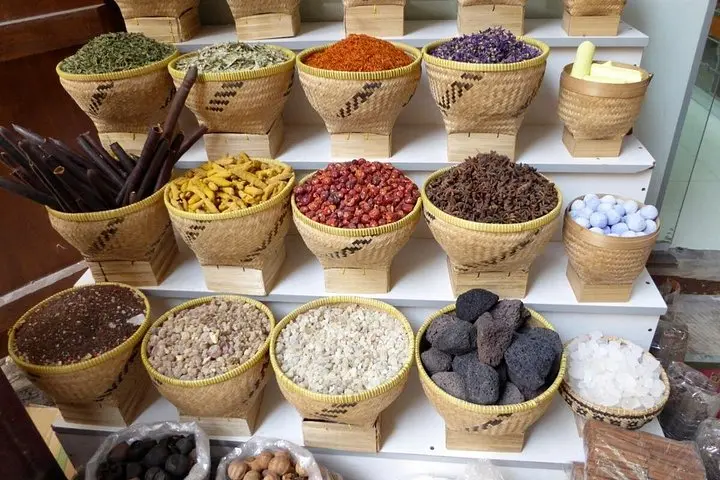
Geologically the creek is a tidal inlet carved into a shallow coastal plain; culturally it’s where Dubai’s trading story began. Al Bastakiya preserves 19th-century courtyard homes and wind towers that cooled them before air conditioning. The Spice and Perfume souks still run on haggling, bulk jars and the simmering scents of oud and saffron.
Expect flat, mostly paved walking with some cobbling and constant sensory stimulus—colors, vendors calling, spice sacks heaving. Practicalities matter: wear breathable shoes for five to six hours of walking, carry small bills for souk purchases and the typical AED1 abra fare, and plan for shade breaks and hydration. The abra ride is a short, five-minute connector but offers unique viewpoints of both old and new Dubai.
A local guide turns street-food stops and museum entries into context—who paid the pearling tributes, why a wind tower faces a certain way—so you leave with a clearer map of the city’s past and present.
The tour lasts about 5–6 hours with continuous walking across mostly flat, paved and cobbled streets; there are short seated breaks and a brief abra crossing.
Guided abra rides are included in the itinerary; individual public abra trips typically cost about AED 1 per person for a five-minute crossing.
Yes—many sections are stroller-accessible, though some narrow alleys and cobbles require care; infant seats are available if needed.
Guides can adjust stops and food tastings if notified in advance—provide pickup point and special requirements during booking.
Royal Vision Tourism operates guided outdoor trips and adventures with an emphasis on safety, stewardship, and memorable experiences.
The morning heat is already refracting off corrugated metal and golden glass as you step from Bur Dubai's wide street into a maze of narrow alleys where cardamom, frankincense and diesel mingle in the air.
The morning heat is already refracting off corrugated metal and golden glass as you step from Bur Dubai's wide street into a maze of narrow alleys where cardamom, frankincense and diesel mingle in the air.
This guided walk pushes you through Al Fahidi’s wind-tower lanes, into the pulse of the Spice Souk and across Dubai Creek on a wooden abra that nudges the water with a practiced hand. The tour stitches together colonial-era merchant houses, the pearl-and-textile economy that shaped the creekside, and the modern skyline peeking over low rooftops.
Geologically the creek is a tidal inlet carved into a shallow coastal plain; culturally it’s where Dubai’s trading story began. Al Bastakiya preserves 19th-century courtyard homes and wind towers that cooled them before air conditioning. The Spice and Perfume souks still run on haggling, bulk jars and the simmering scents of oud and saffron.
Expect flat, mostly paved walking with some cobbling and constant sensory stimulus—colors, vendors calling, spice sacks heaving. Practicalities matter: wear breathable shoes for five to six hours of walking, carry small bills for souk purchases and the typical AED1 abra fare, and plan for shade breaks and hydration. The abra ride is a short, five-minute connector but offers unique viewpoints of both old and new Dubai.
A local guide turns street-food stops and museum entries into context—who paid the pearling tributes, why a wind tower faces a certain way—so you leave with a clearer map of the city’s past and present.