THE ADVENTURE COLLECTIVE® · Independent discovery and booking for outdoor travel

Spend a day from Sorrento exploring Roman excavations, climbing to Vesuvius’s crater rim and enjoying lunch with Vesuvius wine. This private tour mixes archaeology, a short volcanic hike and a vineyard tasting with coastal views.
Spend a day from Sorrento exploring Roman excavations, climbing to Vesuvius’s crater rim and enjoying lunch with Vesuvius wine. This private tour mixes archaeology, a short volcanic hike and a vineyard tasting with coastal views.
The day begins on the Sorrentine coast, windows down in an air‑conditioned vehicle as olive groves and lemon terraces blur past. You step onto pumice and cobbles: first the flat, sun-warmed streets of an ancient Roman town, then later the darker stones of a volcanic trail that rises toward a smoking rim. The contrast—domestic life preserved in plaster and the raw edge of a volcano—frames the day.
Verified experiences and guided adventures in the surrounding area.
Operated by Lentino Driver Tours · Sorrento, Campania
The day begins on the Sorrentine coast, windows down in an air‑conditioned vehicle as olive groves and lemon terraces blur past. You step onto pumice and cobbles: first the flat, sun-warmed streets of an ancient Roman town, then later the darker stones of a volcanic trail that rises toward a smoking rim. The contrast—domestic life preserved in plaster and the raw edge of a volcano—frames the day.
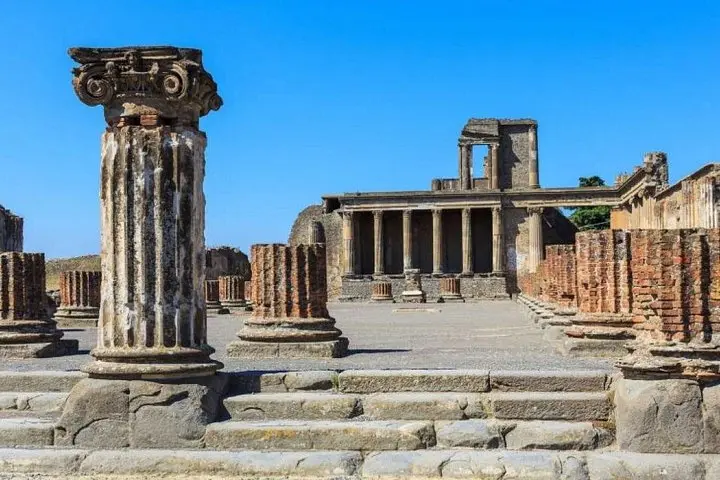
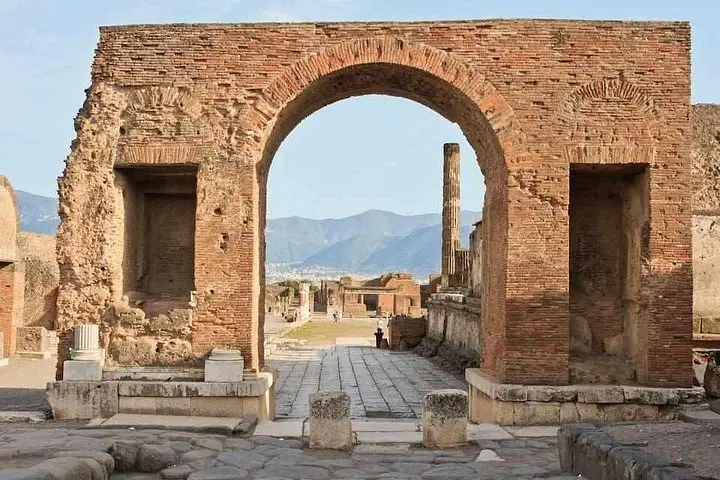
Pompeii (and nearby Herculaneum/Ercolano if included on alternate itineraries) offers about two hours of walking across roughly 2–3 km of excavated lanes and public buildings, where the 79 AD eruption is visible in plaster casts and buried mosaics. Geologically, Vesuvius is a stratovolcano formed by repeated explosive eruptions; the common visitor trail to the crater is a short, steep climb of roughly 1–1.5 km (20–60 minutes one way) with ~200–300 m of elevation gain, leading to panoramic views over the Bay of Naples.
Between ruins and rim you pause at a hillside winery on Vesuvius’s slopes—volcanic soils create mineral-rich Aglianico and other local wines—paired with a casual lunch of regional fare and a vineyard walk overlooking the Gulf.
Practical guidance: expect mixed terrain—paved Roman streets and gravel volcanic trail—bring sun protection, refillable water, and sturdy shoes. The itinerary often excludes paid archaeological site tickets and official Pompeii guides, so book those in advance if you want skip‑the‑line entry or an expert-led excavation walk. Aim for morning starts to avoid midday heat at the crater and to maximize time in the ruins.
No—this tour typically does not include archaeological site tickets or official Pompeii guides; book tickets separately or request assistance when booking.
The popular trail from the parking area is short but steep—expect 20–60 minutes one way with roughly 200–300 m elevation gain; it’s manageable for most people in reasonable shape.
Yes—the tour includes a stop at a local vineyard for lunch and tastings of wines produced on Vesuvius’s slopes.
Pick-up and drop-off are typically in Sorrento; confirm exact meeting details with the operator when booking.
Lentino Driver Tours operates guided outdoor trips and adventures with an emphasis on safety, stewardship, and memorable experiences.


The day begins on the Sorrentine coast, windows down in an air‑conditioned vehicle as olive groves and lemon terraces blur past. You step onto pumice and cobbles: first the flat, sun-warmed streets of an ancient Roman town, then later the darker stones of a volcanic trail that rises toward a smoking rim. The contrast—domestic life preserved in plaster and the raw edge of a volcano—frames the day.
The day begins on the Sorrentine coast, windows down in an air‑conditioned vehicle as olive groves and lemon terraces blur past. You step onto pumice and cobbles: first the flat, sun-warmed streets of an ancient Roman town, then later the darker stones of a volcanic trail that rises toward a smoking rim. The contrast—domestic life preserved in plaster and the raw edge of a volcano—frames the day.
Pompeii (and nearby Herculaneum/Ercolano if included on alternate itineraries) offers about two hours of walking across roughly 2–3 km of excavated lanes and public buildings, where the 79 AD eruption is visible in plaster casts and buried mosaics. Geologically, Vesuvius is a stratovolcano formed by repeated explosive eruptions; the common visitor trail to the crater is a short, steep climb of roughly 1–1.5 km (20–60 minutes one way) with ~200–300 m of elevation gain, leading to panoramic views over the Bay of Naples.
Between ruins and rim you pause at a hillside winery on Vesuvius’s slopes—volcanic soils create mineral-rich Aglianico and other local wines—paired with a casual lunch of regional fare and a vineyard walk overlooking the Gulf.
Practical guidance: expect mixed terrain—paved Roman streets and gravel volcanic trail—bring sun protection, refillable water, and sturdy shoes. The itinerary often excludes paid archaeological site tickets and official Pompeii guides, so book those in advance if you want skip‑the‑line entry or an expert-led excavation walk. Aim for morning starts to avoid midday heat at the crater and to maximize time in the ruins.