THE ADVENTURE COLLECTIVE® · Independent discovery and booking for outdoor travel

Explore Sapporo on foot with a private guide: from Sapporo TV Tower and Odori Park to the seafood stalls of Nijo Market and the red-brick Former Hokkaido Government Office. This 3.5-hour walk blends seasonal nature, local flavors, and Meiji-era history at a relaxed pace.
Explore Sapporo on foot with a private guide: from Sapporo TV Tower and Odori Park to the seafood stalls of Nijo Market and the red-brick Former Hokkaido Government Office. This 3.5-hour walk blends seasonal nature, local flavors, and Meiji-era history at a relaxed pace.
You emerge beneath the steel lattice of Sapporo TV Tower as the city stretches out in blocks and green. Odori Park runs like a cool ribbon through the center, changing color with the seasons while the guide points out landmarks and the river-path that quietly threads neighborhoods together. The tour moves at a human pace: intimate tea shop light, the clamorous energy of Nijo Market, the retro arcade of Tanukikoji and the solid red brick of the Former Hokkaido Government Office, ending with the steady chime of the Sapporo Clock Tower.
Verified experiences and guided adventures in the surrounding area.
Operated by Hokkaido Treasure Island Travel Inc. · Sapporo, Hokkaido
You emerge beneath the steel lattice of Sapporo TV Tower as the city stretches out in blocks and green. Odori Park runs like a cool ribbon through the center, changing color with the seasons while the guide points out landmarks and the river-path that quietly threads neighborhoods together. The tour moves at a human pace: intimate tea shop light, the clamorous energy of Nijo Market, the retro arcade of Tanukikoji and the solid red brick of the Former Hokkaido Government Office, ending with the steady chime of the Sapporo Clock Tower.
Sapporo’s grid owes its shape to Meiji-era planning when the city was developed as Hokkaido’s administrative hub; the red brick office and clock tower are direct reminders. Geologically, the city rests on volcanic soils and broad river terraces carved from ancient meltwater; that river network is why market life and parks cluster where they do. Culturally, the route mixes commerce and calm—seafood stalls, small tea shops where roasted green tea is savored, and public gardens where locals stroll.
Practical guidance: the private format means flexibility—start times, stops, and shopping windows can be tailored. Expect about 3.5 hours of mostly flat walking on paved surfaces; admission fees to museums or tastings are extra. Morning visits catch the liveliest market activity; winter requires warm layers and traction. The guide can assist with language and purchases, and small-group pacing keeps the day accessible for most travelers. Bring comfortable shoes, a reusable bottle (some shops offer hot/cold refills), and a credit card for spontaneous market finds.
The typical route starts at Sapporo TV Tower/Odori Park area and concludes at Sapporo Clock Tower, though start and end points can be adjusted on request.
No—this private walking tour covers guiding and a tea cup; entrance fees to museums or paid attractions are additional.
Much of the route uses paved, accessible surfaces and is listed as wheelchair accessible, but some historic interiors or narrow market aisles may be limited.
Yes—guides assist with communication and bargaining at markets, and can recommend local specialties to try.
Hokkaido Treasure Island Travel Inc. operates guided outdoor trips and adventures with an emphasis on safety, stewardship, and memorable experiences.
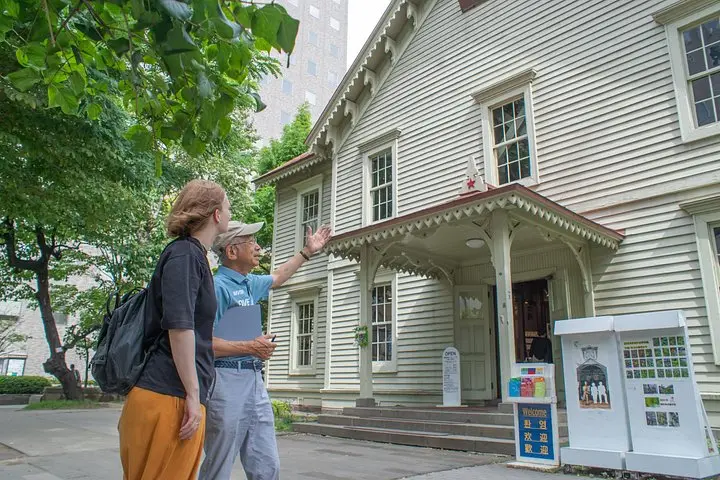
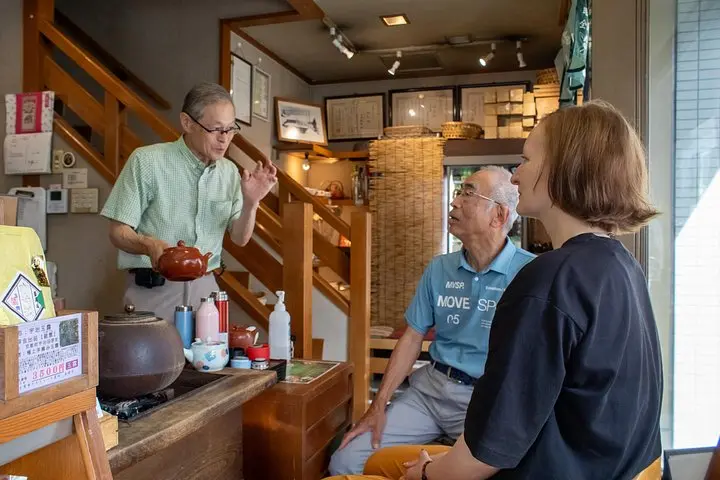
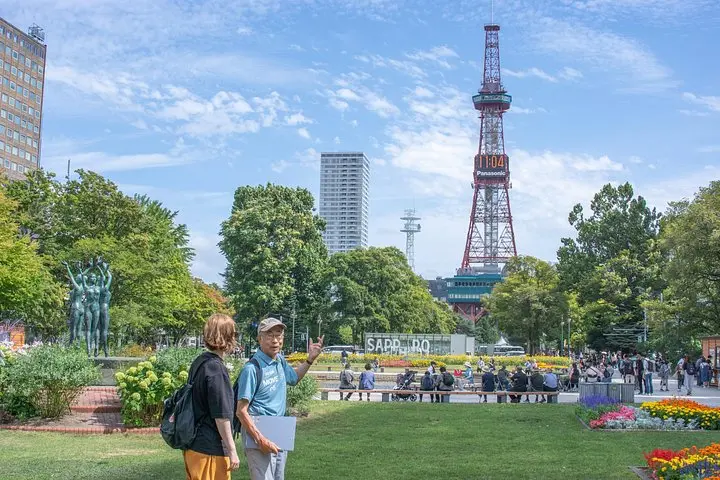

You emerge beneath the steel lattice of Sapporo TV Tower as the city stretches out in blocks and green. Odori Park runs like a cool ribbon through the center, changing color with the seasons while the guide points out landmarks and the river-path that quietly threads neighborhoods together. The tour moves at a human pace: intimate tea shop light, the clamorous energy of Nijo Market, the retro arcade of Tanukikoji and the solid red brick of the Former Hokkaido Government Office, ending with the steady chime of the Sapporo Clock Tower.
You emerge beneath the steel lattice of Sapporo TV Tower as the city stretches out in blocks and green. Odori Park runs like a cool ribbon through the center, changing color with the seasons while the guide points out landmarks and the river-path that quietly threads neighborhoods together. The tour moves at a human pace: intimate tea shop light, the clamorous energy of Nijo Market, the retro arcade of Tanukikoji and the solid red brick of the Former Hokkaido Government Office, ending with the steady chime of the Sapporo Clock Tower.
Sapporo’s grid owes its shape to Meiji-era planning when the city was developed as Hokkaido’s administrative hub; the red brick office and clock tower are direct reminders. Geologically, the city rests on volcanic soils and broad river terraces carved from ancient meltwater; that river network is why market life and parks cluster where they do. Culturally, the route mixes commerce and calm—seafood stalls, small tea shops where roasted green tea is savored, and public gardens where locals stroll.
Practical guidance: the private format means flexibility—start times, stops, and shopping windows can be tailored. Expect about 3.5 hours of mostly flat walking on paved surfaces; admission fees to museums or tastings are extra. Morning visits catch the liveliest market activity; winter requires warm layers and traction. The guide can assist with language and purchases, and small-group pacing keeps the day accessible for most travelers. Bring comfortable shoes, a reusable bottle (some shops offer hot/cold refills), and a credit card for spontaneous market finds.