THE ADVENTURE COLLECTIVE® · Independent discovery and booking for outdoor travel

Walk the streets of Sinoni with local guides to taste cassava and chips mayai, visit urban farms and learn how community programs are supported by the tour’s proceeds. This 2–3 hour experience combines food, culture and grassroots development in Arusha.
Walk the streets of Sinoni with local guides to taste cassava and chips mayai, visit urban farms and learn how community programs are supported by the tour’s proceeds. This 2–3 hour experience combines food, culture and grassroots development in Arusha.
The sun lifts over Arusha and the narrow streets of Sinoni wake with rhythm—vendors calling, a bicycle bell cutting through the morning air, smoke from frying pans daring you to follow.
Verified experiences and guided adventures in the surrounding area.
Operated by Jamii imarika foundation · Arusha, Arusha Region
The sun lifts over Arusha and the narrow streets of Sinoni wake with rhythm—vendors calling, a bicycle bell cutting through the morning air, smoke from frying pans daring you to follow.
This 2–3 hour guided walk threads through family-run businesses, urban farms and the compact alleys south of the city center. Sinoni’s mud houses and small-scale carpentry reflect a town shaped by volcanic soils and Maasai, Chaga and Meru influences; the landscape here is more social than geological, yet the nearby slopes of Mount Meru quietly inform local farming and water use.
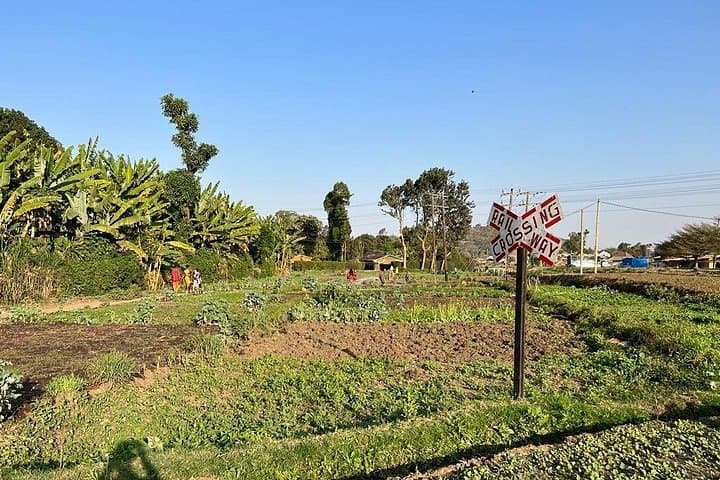
Guides from a local NGO lead the route, offering stories about daily life, women’s cooperatives and the community projects funded by the tour’s proceeds. Expect to taste cassava and chips mayai at open-air stalls, watch maize milled by hand, and see how banana, papaya and spinach thrive in tight urban plots.
Practical details: the walk is flat and accessible for most fitness levels, with frequent stops and vendor interactions. Bring small bills for food purchases, a reusable water bottle, and a light layer for sudden showers—rain can arrive quickly in the long- and short-rain seasons. Photography is welcomed but ask before photographing people’s homes or children.
This tour is as much about listening as it is about tasting; it’s a close-up of Arusha’s everyday economy and culture, where 100% of profits support education, women’s empowerment and youth programs. Arrive curious, respectful, and ready to leave with a clearer picture of urban Tanzanian life.
The tour runs approximately 2–3 hours with multiple stops to sample food and meet community members.
Yes—routes are mostly flat and the guide adjusts pace; note that some vendor areas are crowded.
Yes—small Tanzanian shilling notes are recommended for food purchases and small vendor items.
100% of profits support the local NGO’s programs for education, women’s empowerment and youth development in Sinoni.
Jamii imarika foundation operates guided outdoor trips and adventures with an emphasis on safety, stewardship, and memorable experiences.



The sun lifts over Arusha and the narrow streets of Sinoni wake with rhythm—vendors calling, a bicycle bell cutting through the morning air, smoke from frying pans daring you to follow.
The sun lifts over Arusha and the narrow streets of Sinoni wake with rhythm—vendors calling, a bicycle bell cutting through the morning air, smoke from frying pans daring you to follow.
This 2–3 hour guided walk threads through family-run businesses, urban farms and the compact alleys south of the city center. Sinoni’s mud houses and small-scale carpentry reflect a town shaped by volcanic soils and Maasai, Chaga and Meru influences; the landscape here is more social than geological, yet the nearby slopes of Mount Meru quietly inform local farming and water use.
Guides from a local NGO lead the route, offering stories about daily life, women’s cooperatives and the community projects funded by the tour’s proceeds. Expect to taste cassava and chips mayai at open-air stalls, watch maize milled by hand, and see how banana, papaya and spinach thrive in tight urban plots.
Practical details: the walk is flat and accessible for most fitness levels, with frequent stops and vendor interactions. Bring small bills for food purchases, a reusable water bottle, and a light layer for sudden showers—rain can arrive quickly in the long- and short-rain seasons. Photography is welcomed but ask before photographing people’s homes or children.
This tour is as much about listening as it is about tasting; it’s a close-up of Arusha’s everyday economy and culture, where 100% of profits support education, women’s empowerment and youth programs. Arrive curious, respectful, and ready to leave with a clearer picture of urban Tanzanian life.