THE ADVENTURE COLLECTIVE® · Independent discovery and booking for outdoor travel

A local guide turns the Brooklyn Bridge into a walking history lesson — 90 minutes of architecture, scandal, and urban growth from a vantage most people only photograph. Learn the bridge’s engineering guts and the city it helped create while crossing from DUMBO to City Hall Park.
A local guide turns the Brooklyn Bridge into a walking history lesson — 90 minutes of architecture, scandal, and urban growth from a vantage most people only photograph. Learn the bridge’s engineering guts and the city it helped create while crossing from DUMBO to City Hall Park.
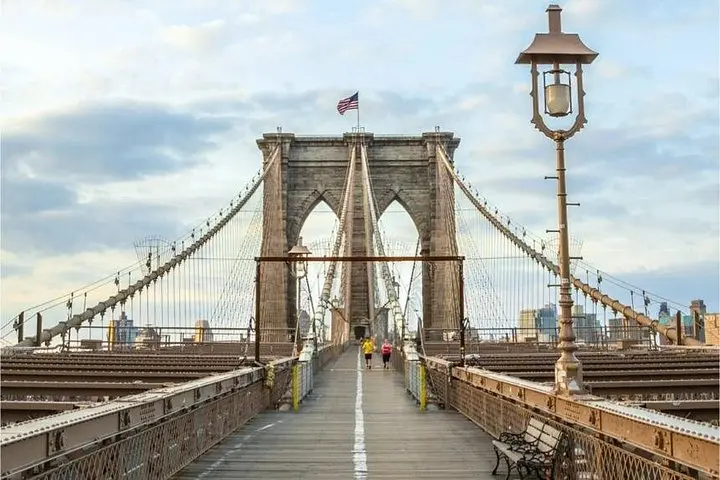
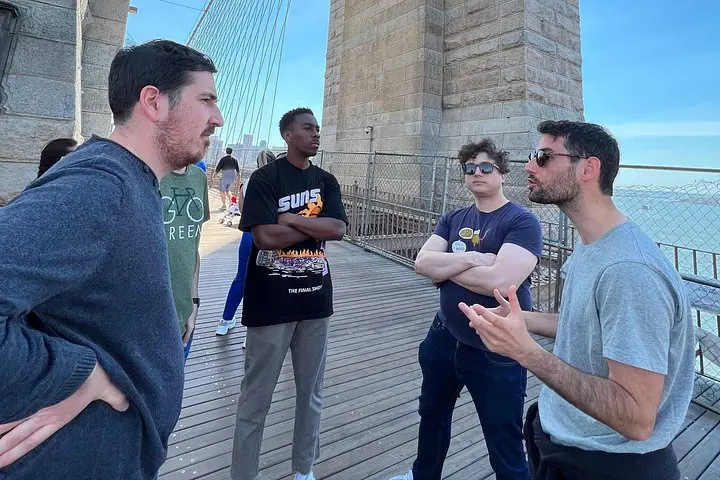
You meet at the corner of Water and Old Fulton, the river having already rehearsed its light across the East River. The bridge rises ahead — stone towers, braided cables — a structure that still feels as if it’s holding the city up rather than the other way around. A local guide folds history into the walk, turning masonry and steel into a narrative of ambition, scandal, and engineering grit.
Verified experiences and guided adventures in the surrounding area.
Operated by Jonathan Stieglitz · Brooklyn, NY
You meet at the corner of Water and Old Fulton, the river having already rehearsed its light across the East River. The bridge rises ahead — stone towers, braided cables — a structure that still feels as if it’s holding the city up rather than the other way around. A local guide folds history into the walk, turning masonry and steel into a narrative of ambition, scandal, and engineering grit.
The Brooklyn Bridge opened in 1883 and connected two growing boroughs, reshaping Manhattan’s expansion. Its granite towers and cast‑iron hardware reflect 19th‑century masonry and the early use of steel wire; beneath your feet the East River’s currents forced daring engineering and a human cost that the guide will outline. Walkers learn how the bridge influenced transit patterns, real estate booms, and the immigrant flows that built modern New York.
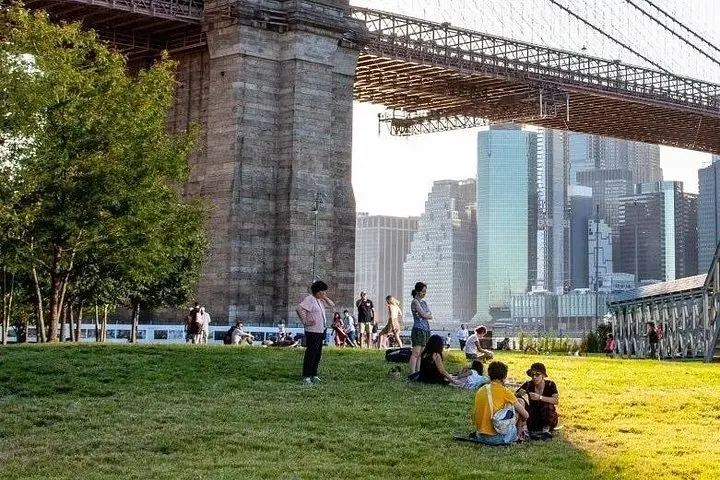
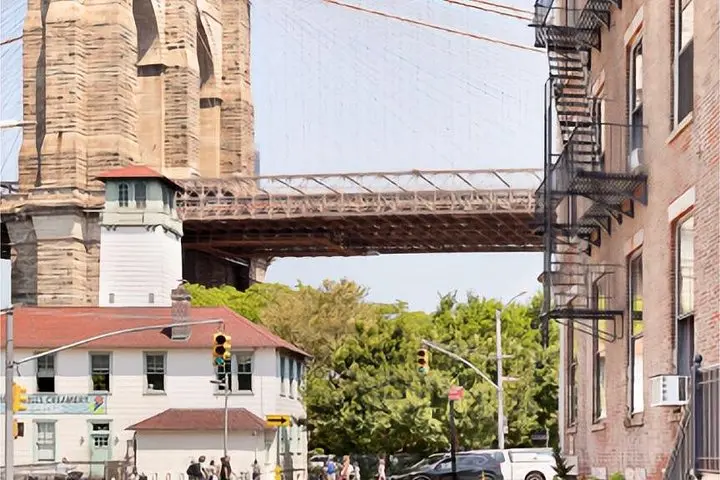
Culture here is layered: cobblestones at the Brooklyn approach, the promenade’s mix of commuters and tourists, and the nearby brownstones that remember the bridge’s first days. The tour ends in City Hall Park, offering a different perspective on the same structure and how neighborhoods on both sides grew around it.
Practical guidance: expect 90 minutes of mostly flat walking with some stairs onto the promenade; moderate fitness and comfortable shoes matter. Meet by the Shake Shack at Water & Old Fulton; the route crosses the bridge into Manhattan and finishes near 4/5/6 subway lines at City Hall Park. Bring a refillable water bottle, weather‑appropriate layers, and plan for crowds mid‑day — early morning or late afternoon gives cooler light and easier passage. The guide covers construction, social history, and architecture, making this part walk, part living museum.
The tour is 90 minutes, meeting at Water St & Old Fulton St (by Shake Shack) in Brooklyn and ending in Manhattan at City Hall Park.
Yes — the meeting area and much of the route are stroller‑accessible, though there are stairs to some viewpoints; ask the operator about alternate low‑stair routing if needed.
Yes — the itinerary includes walking over the bridge and stopping to examine architecture and historical sites on both approaches.
The tour may be canceled in heavy rain or unsafe conditions; check booking terms and expect to reschedule for fair weather for the best experience.
Jonathan Stieglitz operates guided outdoor trips and adventures with an emphasis on safety, stewardship, and memorable experiences.
You meet at the corner of Water and Old Fulton, the river having already rehearsed its light across the East River. The bridge rises ahead — stone towers, braided cables — a structure that still feels as if it’s holding the city up rather than the other way around. A local guide folds history into the walk, turning masonry and steel into a narrative of ambition, scandal, and engineering grit.
You meet at the corner of Water and Old Fulton, the river having already rehearsed its light across the East River. The bridge rises ahead — stone towers, braided cables — a structure that still feels as if it’s holding the city up rather than the other way around. A local guide folds history into the walk, turning masonry and steel into a narrative of ambition, scandal, and engineering grit.
The Brooklyn Bridge opened in 1883 and connected two growing boroughs, reshaping Manhattan’s expansion. Its granite towers and cast‑iron hardware reflect 19th‑century masonry and the early use of steel wire; beneath your feet the East River’s currents forced daring engineering and a human cost that the guide will outline. Walkers learn how the bridge influenced transit patterns, real estate booms, and the immigrant flows that built modern New York.
Culture here is layered: cobblestones at the Brooklyn approach, the promenade’s mix of commuters and tourists, and the nearby brownstones that remember the bridge’s first days. The tour ends in City Hall Park, offering a different perspective on the same structure and how neighborhoods on both sides grew around it.
Practical guidance: expect 90 minutes of mostly flat walking with some stairs onto the promenade; moderate fitness and comfortable shoes matter. Meet by the Shake Shack at Water & Old Fulton; the route crosses the bridge into Manhattan and finishes near 4/5/6 subway lines at City Hall Park. Bring a refillable water bottle, weather‑appropriate layers, and plan for crowds mid‑day — early morning or late afternoon gives cooler light and easier passage. The guide covers construction, social history, and architecture, making this part walk, part living museum.