THE ADVENTURE COLLECTIVE® · Independent discovery and booking for outdoor travel

Spend a full day walking the streets where the French Revolution unfolded: Bastille, Le Marais, the Conciergerie and Place de la Concorde. This private tour pairs detailed history with accessible pacing and on-site admissions.
Spend a full day walking the streets where the French Revolution unfolded: Bastille, Le Marais, the Conciergerie and Place de la Concorde. This private tour pairs detailed history with accessible pacing and on-site admissions.
The guide waits by the Beaumarchais statue on Rue Saint-Antoine as the city hums around Place de la Bastille — tram bells, café cups clinking, and the first stones of revolutionary Paris underfoot. From here the day unfolds on pavement that remembers crowds, proclamations and angry footsteps: narrow Marais lanes, the sombre walls of the Conciergerie and the broad, accusing sweep of Place de la Concorde.
Verified experiences and guided adventures in the surrounding area.
Operated by AWESOME GUIDE · Paris, Île-de-France
The guide waits by the Beaumarchais statue on Rue Saint-Antoine as the city hums around Place de la Bastille — tram bells, café cups clinking, and the first stones of revolutionary Paris underfoot. From here the day unfolds on pavement that remembers crowds, proclamations and angry footsteps: narrow Marais lanes, the sombre walls of the Conciergerie and the broad, accusing sweep of Place de la Concorde.
This route traces 18th-century politics and Parisian urban change. You’ll move from the fortress site where the Bastille stood to mansions of the ancien régime in Le Marais, then cross to the Left Bank in places tied to radical pamphleteering and the invention of new political theater. Geologically the walk follows the Seine’s floodplain and Paris’s ancient Lutetian limestone, visible in quays and historic façades; that stone helped build the prisons, palaces and streets you’ll study.
Local culture is immediate: cafés that hosted debates, plaques marking executions, and museums that collect personal letters and court records. Expect frank stories about the revolutionaries and the royal household, and a close look at the Conciergerie cells where Marie Antoinette was held.
Practical edge: this is a seven-hour, primarily on-foot private tour with admitted entry to the Conciergerie. Wear stiff-soled walking shoes, carry water, and plan for frequent stops — museums, squares and cafés — and for cobblestones underfoot. Bring a charged phone for photos and maps; the guide will handle logistics and archival detail, leaving you to listen and look closely at the city that reshaped modern politics.
Expect about 7 hours of walking with frequent stops; total distance varies but plan for several miles and urban terrain with cobbles and stairs.
Yes — the tour includes the ticket to the Conciergerie as noted in the inclusions.
Infants and small children can use strollers on most stretches, but some historic sites have stairs and tighter corridors where a carrier is easier.
This listing is for a private guide who will conduct the tour in the language agreed at booking; confirm preferred language when reserving.
AWESOME GUIDE operates guided outdoor trips and adventures with an emphasis on safety, stewardship, and memorable experiences.
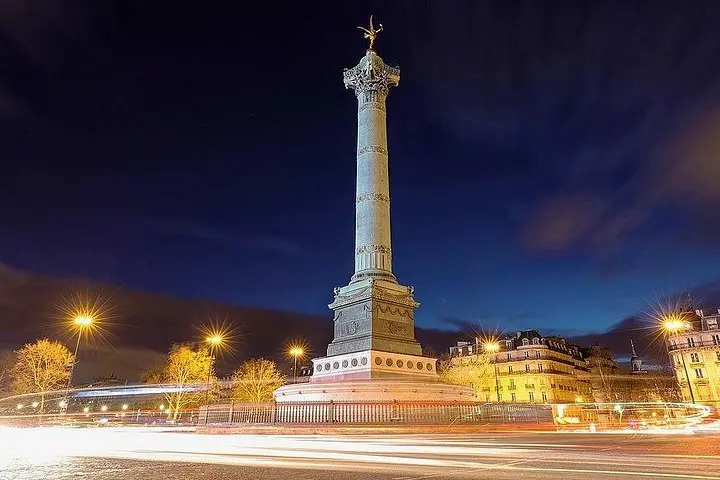
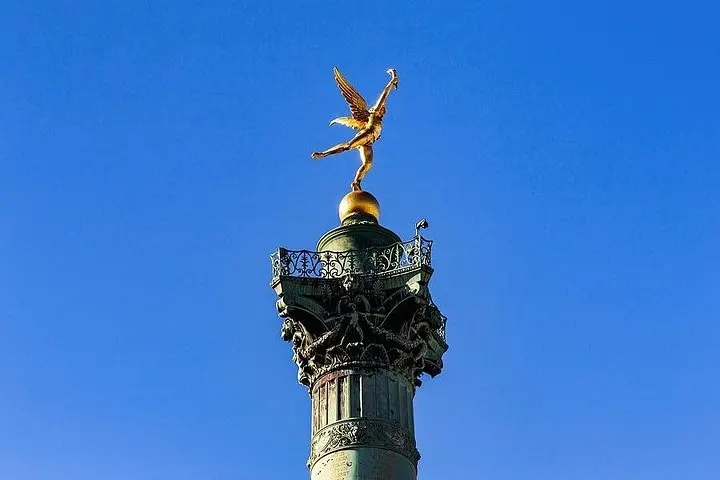
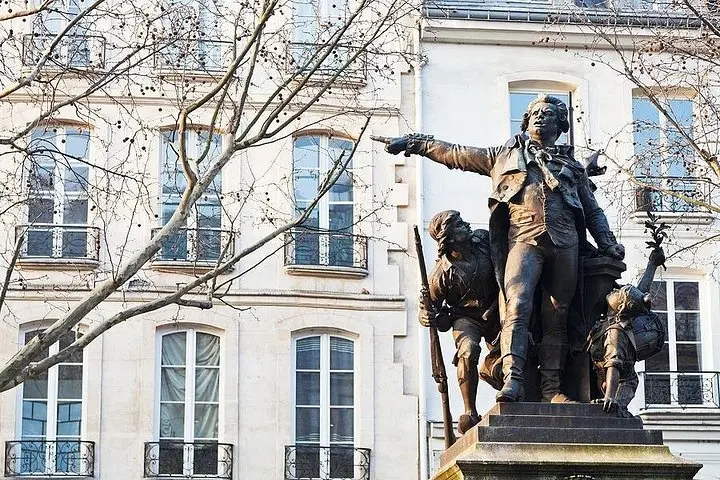
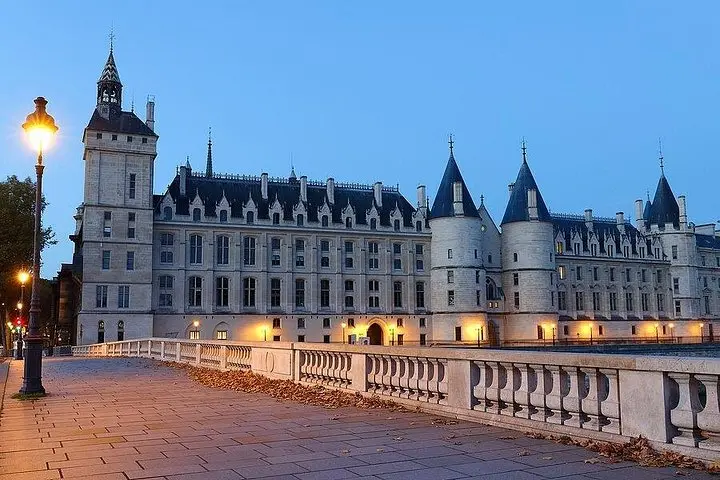
The guide waits by the Beaumarchais statue on Rue Saint-Antoine as the city hums around Place de la Bastille — tram bells, café cups clinking, and the first stones of revolutionary Paris underfoot. From here the day unfolds on pavement that remembers crowds, proclamations and angry footsteps: narrow Marais lanes, the sombre walls of the Conciergerie and the broad, accusing sweep of Place de la Concorde.
The guide waits by the Beaumarchais statue on Rue Saint-Antoine as the city hums around Place de la Bastille — tram bells, café cups clinking, and the first stones of revolutionary Paris underfoot. From here the day unfolds on pavement that remembers crowds, proclamations and angry footsteps: narrow Marais lanes, the sombre walls of the Conciergerie and the broad, accusing sweep of Place de la Concorde.
This route traces 18th-century politics and Parisian urban change. You’ll move from the fortress site where the Bastille stood to mansions of the ancien régime in Le Marais, then cross to the Left Bank in places tied to radical pamphleteering and the invention of new political theater. Geologically the walk follows the Seine’s floodplain and Paris’s ancient Lutetian limestone, visible in quays and historic façades; that stone helped build the prisons, palaces and streets you’ll study.
Local culture is immediate: cafés that hosted debates, plaques marking executions, and museums that collect personal letters and court records. Expect frank stories about the revolutionaries and the royal household, and a close look at the Conciergerie cells where Marie Antoinette was held.
Practical edge: this is a seven-hour, primarily on-foot private tour with admitted entry to the Conciergerie. Wear stiff-soled walking shoes, carry water, and plan for frequent stops — museums, squares and cafés — and for cobblestones underfoot. Bring a charged phone for photos and maps; the guide will handle logistics and archival detail, leaving you to listen and look closely at the city that reshaped modern politics.