THE ADVENTURE COLLECTIVE® · Independent discovery and booking for outdoor travel

Cross the Golden Gate at your own pace with a narrated, GPS-guided audio tour. Learn the bridge’s engineering, history, and best viewpoints while managing wind, fog, and mixed-use traffic.
Cross the Golden Gate at your own pace with a narrated, GPS-guided audio tour. Learn the bridge’s engineering, history, and best viewpoints while managing wind, fog, and mixed-use traffic.
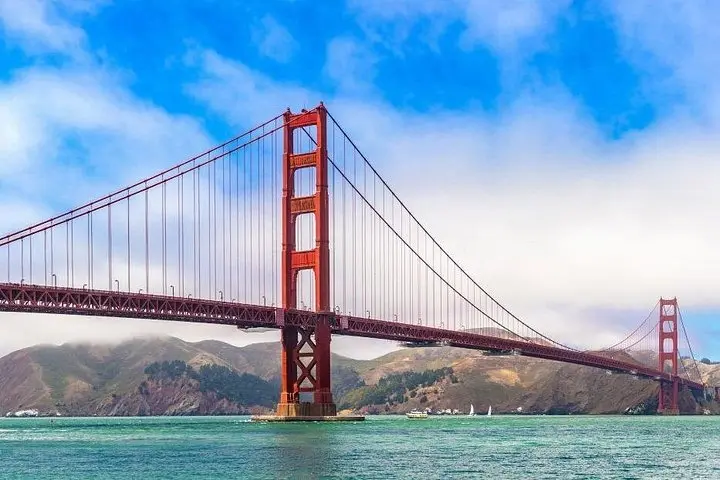
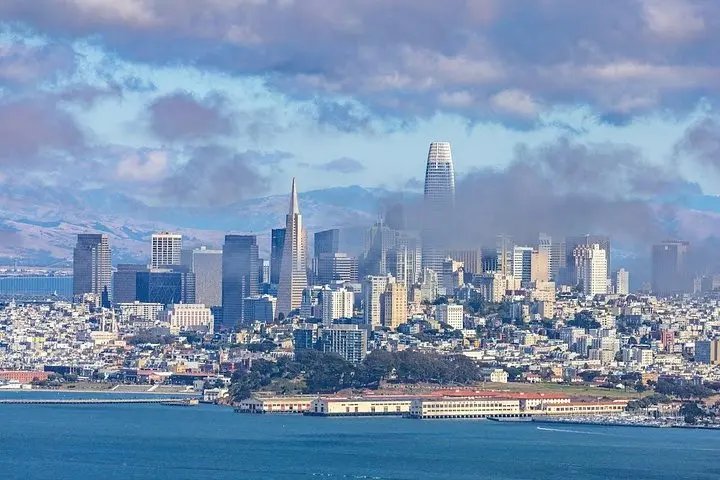
You step onto the bridge with the Pacific pushing a steady, bracing wind against your face and the city skyline unfolding to the right. The orange towers rise like engineered cliffs; the main cables hum underfoot and the fog sometimes slides across the deck as if testing your pace.
Verified experiences and guided adventures in the surrounding area.
Operated by VoiceMap Audio Tours · San Francisco, California
You step onto the bridge with the Pacific pushing a steady, bracing wind against your face and the city skyline unfolding to the right. The orange towers rise like engineered cliffs; the main cables hum underfoot and the fog sometimes slides across the deck as if testing your pace.
This self-guided audio walk begins at the Golden Gate Bridge Welcome Center and unfolds as a one-hour narrative about design, grit and the people who built it. Built during the Great Depression and opened in 1937, the span is the product of Joseph Strauss’s pragmatic drive and Irving Morrow’s attention to proportion and color. Geology shapes every view here: the Golden Gate is a tidal inlet where the Pacific surges from the west into San Francisco Bay, and the bridge’s foundations were engineered to resist seismic stress from nearby fault systems.
Culturally, the bridge is more than a crossing — it’s been a backdrop for immigration, industry, and civic life. Along the route, the tour stops at Fort Point, the cable cross-section, Crissy Field below, and concludes at H. Dana Bowers Memorial Vista Point with wide, memorable panoramas.
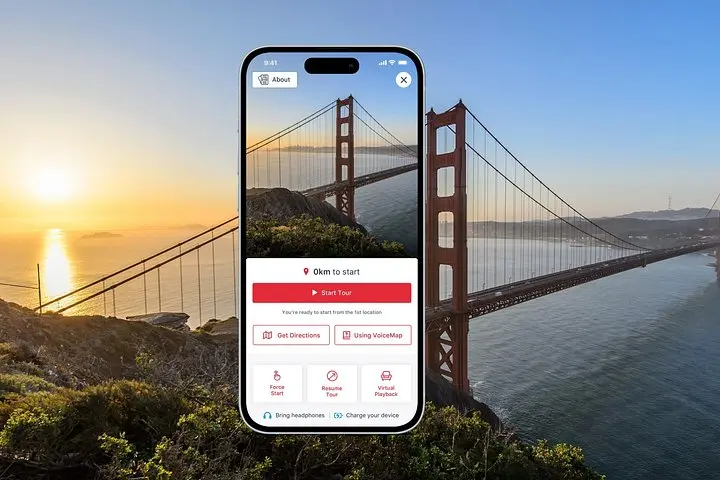
Practical guidance: download the VoiceMap app and your tour code before you arrive, start at the Welcome Center, and allow 60–90 minutes round-trip. Pedestrians and cyclists share lanes — stay to the right and step aside for bikes. Dress in layers and bring headphones; the wind and fog can change visibility and temperature in minutes. The walk is accessible for most fitness levels and offers reliable, self-paced interpretation for history and engineering fans.
Plan 60–90 minutes depending on stops and pace; the route across the bridge to Vista Point and back is roughly 2–3 miles.
Yes — download the VoiceMap app and redeem your code beforehand to ensure offline access and accurate GPS-triggered narration.
The bridge has an accessible pedestrian path and the Welcome Center is wheelchair accessible, but check tide and event closures that can affect access.
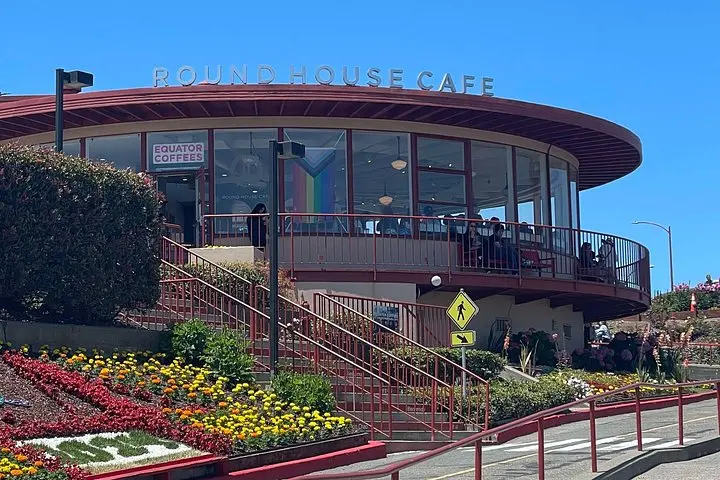
Public restrooms are available at the Welcome Center and parking can fill quickly—public transit (bus or ferry to nearby piers) is often easier.
VoiceMap Audio Tours operates guided outdoor trips and adventures with an emphasis on safety, stewardship, and memorable experiences.
You step onto the bridge with the Pacific pushing a steady, bracing wind against your face and the city skyline unfolding to the right. The orange towers rise like engineered cliffs; the main cables hum underfoot and the fog sometimes slides across the deck as if testing your pace.
You step onto the bridge with the Pacific pushing a steady, bracing wind against your face and the city skyline unfolding to the right. The orange towers rise like engineered cliffs; the main cables hum underfoot and the fog sometimes slides across the deck as if testing your pace.
This self-guided audio walk begins at the Golden Gate Bridge Welcome Center and unfolds as a one-hour narrative about design, grit and the people who built it. Built during the Great Depression and opened in 1937, the span is the product of Joseph Strauss’s pragmatic drive and Irving Morrow’s attention to proportion and color. Geology shapes every view here: the Golden Gate is a tidal inlet where the Pacific surges from the west into San Francisco Bay, and the bridge’s foundations were engineered to resist seismic stress from nearby fault systems.
Culturally, the bridge is more than a crossing — it’s been a backdrop for immigration, industry, and civic life. Along the route, the tour stops at Fort Point, the cable cross-section, Crissy Field below, and concludes at H. Dana Bowers Memorial Vista Point with wide, memorable panoramas.
Practical guidance: download the VoiceMap app and your tour code before you arrive, start at the Welcome Center, and allow 60–90 minutes round-trip. Pedestrians and cyclists share lanes — stay to the right and step aside for bikes. Dress in layers and bring headphones; the wind and fog can change visibility and temperature in minutes. The walk is accessible for most fitness levels and offers reliable, self-paced interpretation for history and engineering fans.