
Walk the Historic Nakasendo: Magome to Tsumago Day Hike from Nagoya
Step back onto the Edo-period Nakasendo with a private full-day walking tour from Nagoya. Hike the Magome–Tsumago trail, see preserved post towns, and return by train after roughly three hours on the historic path.
An Adventure In Nagoya.
Step back onto the Edo-period Nakasendo with a private full-day walking tour from Nagoya. Hike the Magome–Tsumago trail, see preserved post towns, and return by train after roughly three hours on the historic path.
Read the full experience
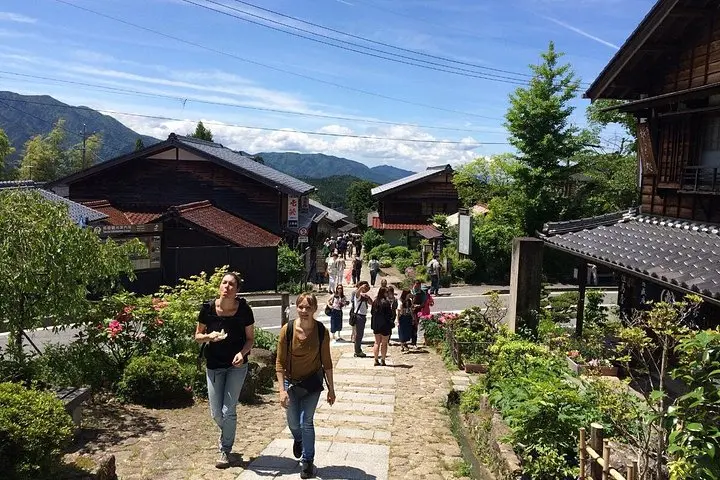
You step off the local express bus at Magome-juku and the noise of modern Japan recedes: wooden shopfronts line a sloping street, cedar-scented air drifts from the adjacent forest, and cobbled steps lead toward a ridge trail that still remembers the footsteps of travelers from the Edo period.
You step off the local express bus at Magome-juku and the noise of modern Japan recedes: wooden shopfronts line a sloping street, cedar-scented air drifts from the adjacent forest, and cobbled steps lead toward a ridge trail that still remembers the footsteps of travelers from the Edo period.
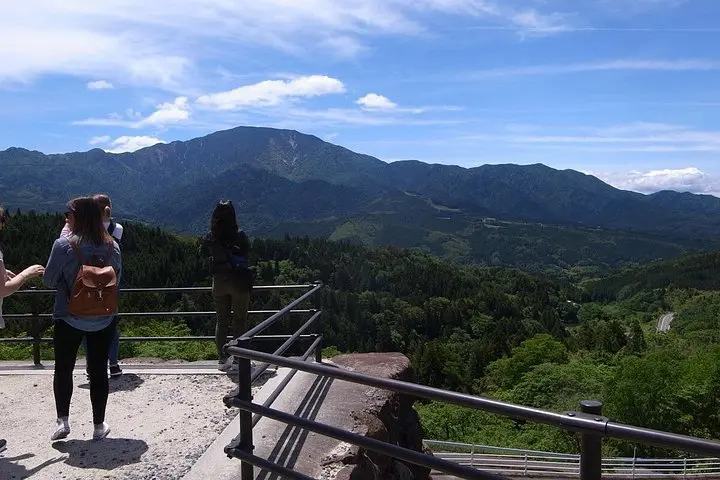
The Magome–Tsumago section of the Nakasendo was once a vital inland route linking Kyoto and Edo; daimyo processions, merchants and pilgrims passed here for centuries. Geologically the path traces the outer foothills of the Kiso Mountains—weathered granite, narrow ridgelines and streams that have carved steep valley walls—so the hike alternates between shaded forest tread, stone steps and short climbs with sweeping valley views.
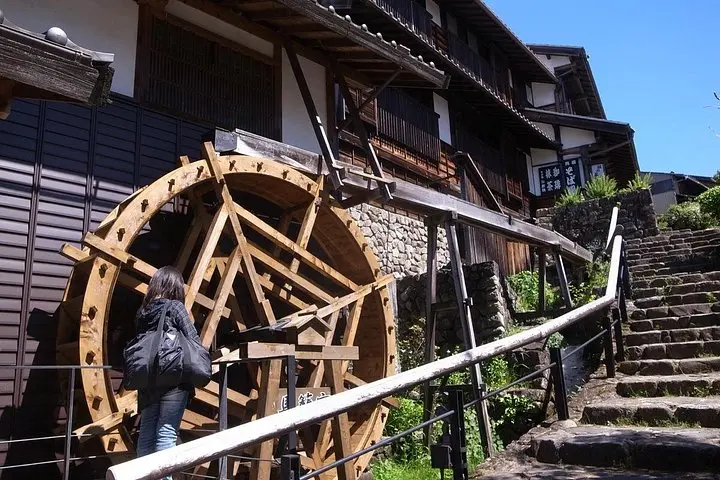
Both towns are preserved as living post towns: low eaves, lacquered signs and family-run teahouses serving grilled rice cakes and local sake. Cultural preservation rules keep vehicle traffic minimal; the atmosphere is quiet and historically textured rather than staged.
Practical guidance: expect about 3 hours on the trail over 6–8 km with 200–300 m of cumulative elevation change—uneven surfaces and stone steps are constant. This full-day private tour includes transport to Magome and a return via train from Tsumago, so you’ll need good walking shoes, layered clothing for sudden weather shifts, sun and rain protection, and small cash for teahouses and craft shops. Start early to avoid crowds and aim for dry footing; the trail is most enjoyable when you can move at a steady, unhurried pace.
Frequently asked questions
The preserved trail is typically 6–8 km and takes about 2–3 hours of walking depending on pace and stops.
Families and older walkers can do the trail if they are steady on uneven ground; expect stairs and short climbs—ask about private transport options if mobility is limited.
Both towns and a few teahouses near the trail sell snacks, grilled rice cakes and light meals; bring cash for small vendors.
Tsumago connects to regional trains; this tour usually includes a post-hike express train transfer back toward Nagoya or a drop-off arranged with your guide.
About This Experience
Japan Oriental Tours operates guided outdoor trips and adventures with an emphasis on safety, stewardship, and memorable experiences.
Adventure tips
Recommended gear
- Hiking shoes: Support and traction for stone steps, muddy patches and uneven trail.
- Light waterproof jacket: Spring showers and mountain microclimates can change quickly.
- Sun hat and sunscreen: Open ridge sections expose you to strong sun in summer months.
- Small daypack: Carry water, snacks, layers and purchases from teahouses comfortably.
Photos of the experience

Related adventures & guides
Read the full experience
You step off the local express bus at Magome-juku and the noise of modern Japan recedes: wooden shopfronts line a sloping street, cedar-scented air drifts from the adjacent forest, and cobbled steps lead toward a ridge trail that still remembers the footsteps of travelers from the Edo period.
You step off the local express bus at Magome-juku and the noise of modern Japan recedes: wooden shopfronts line a sloping street, cedar-scented air drifts from the adjacent forest, and cobbled steps lead toward a ridge trail that still remembers the footsteps of travelers from the Edo period.
The Magome–Tsumago section of the Nakasendo was once a vital inland route linking Kyoto and Edo; daimyo processions, merchants and pilgrims passed here for centuries. Geologically the path traces the outer foothills of the Kiso Mountains—weathered granite, narrow ridgelines and streams that have carved steep valley walls—so the hike alternates between shaded forest tread, stone steps and short climbs with sweeping valley views.
Both towns are preserved as living post towns: low eaves, lacquered signs and family-run teahouses serving grilled rice cakes and local sake. Cultural preservation rules keep vehicle traffic minimal; the atmosphere is quiet and historically textured rather than staged.
Practical guidance: expect about 3 hours on the trail over 6–8 km with 200–300 m of cumulative elevation change—uneven surfaces and stone steps are constant. This full-day private tour includes transport to Magome and a return via train from Tsumago, so you’ll need good walking shoes, layered clothing for sudden weather shifts, sun and rain protection, and small cash for teahouses and craft shops. Start early to avoid crowds and aim for dry footing; the trail is most enjoyable when you can move at a steady, unhurried pace.
Make a day of it nearby.
Verified experiences and guided adventures in the surrounding area.