THE ADVENTURE COLLECTIVE® · Independent discovery and booking for outdoor travel

Trace a 1,280-year-old pilgrimage near Beppu and encounter 270 stone Buddhas across a 5 km, 200 m-elevation route. This guided three-hour walk combines Buddhist history, volcanic foothill scenery and island life insights.
Trace a 1,280-year-old pilgrimage near Beppu and encounter 270 stone Buddhas across a 5 km, 200 m-elevation route. This guided three-hour walk combines Buddhist history, volcanic foothill scenery and island life insights.
Stepping onto this section of the Kyushu Saigoku Pilgrimage, the world tightens to a five-kilometer ribbon of stone, forest, sea and weathered faces. The route climbs roughly 200 meters over mixed dirt and paved trail, and for three hours walkers move between low stone Buddhas—270 in total—each carved and placed across more than a millennium of devotion.
Verified experiences and guided adventures in the surrounding area.
Operated by WANDER COMPASS BEPPU · Beppu, Oita Prefecture
Stepping onto this section of the Kyushu Saigoku Pilgrimage, the world tightens to a five-kilometer ribbon of stone, forest, sea and weathered faces. The route climbs roughly 200 meters over mixed dirt and paved trail, and for three hours walkers move between low stone Buddhas—270 in total—each carved and placed across more than a millennium of devotion.
The path dates to roughly 1,280 years ago, when routes linking small mountain shrines and coastal temples threaded Buddhist practice into everyday life. Geologically, the trail runs along volcanic foothills that shelter warm, humid vegetation and look out to the Inland Sea; the contrast of basalt talus and wind-polished shoreline frames the pilgrimage’s cultural focus on sea and mountain blessings.
A local guide explains ritual customs, the route’s origins and how Buddhism arrived to Kyushu via continental connections, while pointing out signposts of island life: terraced fields, stands of sugi (Japanese cedar) and macaques higher on the ridge. Nature here is active—the sea dares a glare across the bay and the forest pushes you onward with damp, resin-scented air.
Practical guidance: this is a moderate walk with some uneven steps and short climbs—sturdy shoes and at least 1–1.5 liters of water recommended. Public transport reaches Beppu, and the meeting point is typically near the city; plan for changing weather and modest, respectful clothing for religious sites. Travelers with back, heart, or pregnancy concerns should consult the provider; infants must sit on laps. Expect a blend of cultural education and a quietly physical day on an authentic rural pilgrimage route.
The route covered on this tour is about 5 km with roughly 200 meters of elevation gain and takes around three hours.
Children can join but those under five must sit on laps; the walk is moderate—seniors in reasonable health can participate but should be comfortable on uneven terrain.
Services are limited on the trail; plan to use facilities in Beppu before departure and bring snacks and water.
Yes—Beppu is the nearest city with rail and bus connections, and most meeting points are reachable via short local transit or taxi rides.
WANDER COMPASS BEPPU operates guided outdoor trips and adventures with an emphasis on safety, stewardship, and memorable experiences.
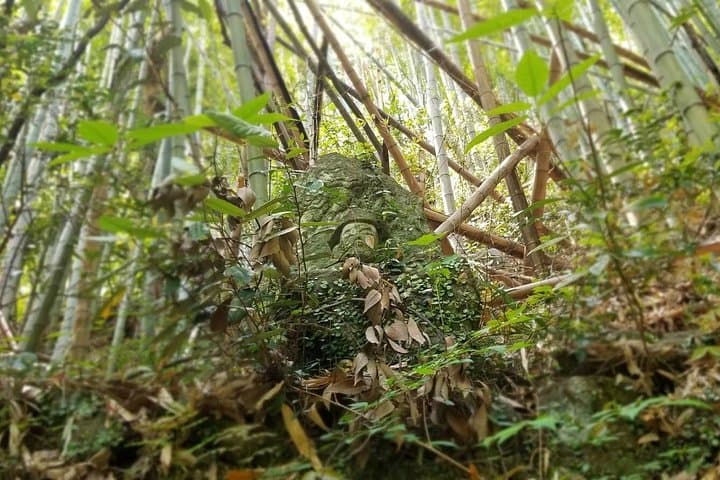
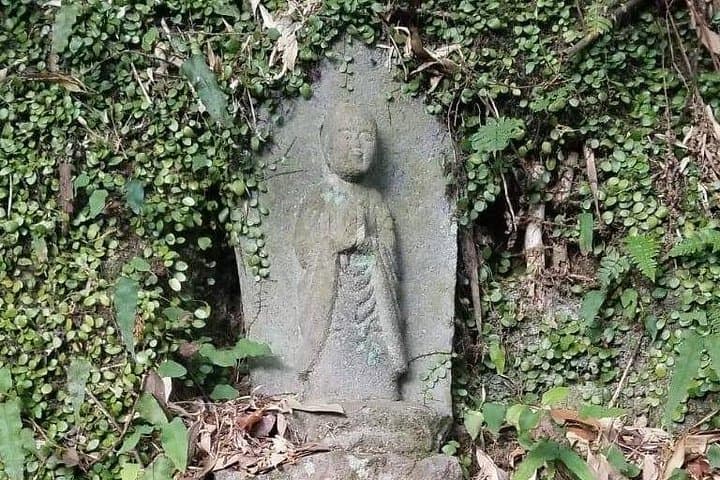
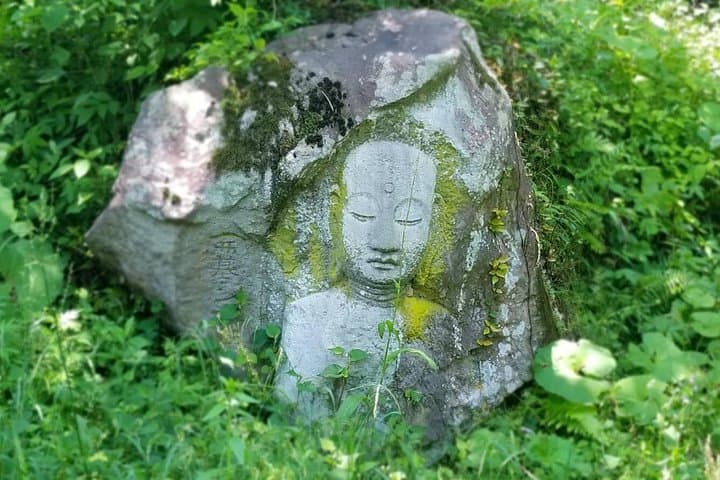
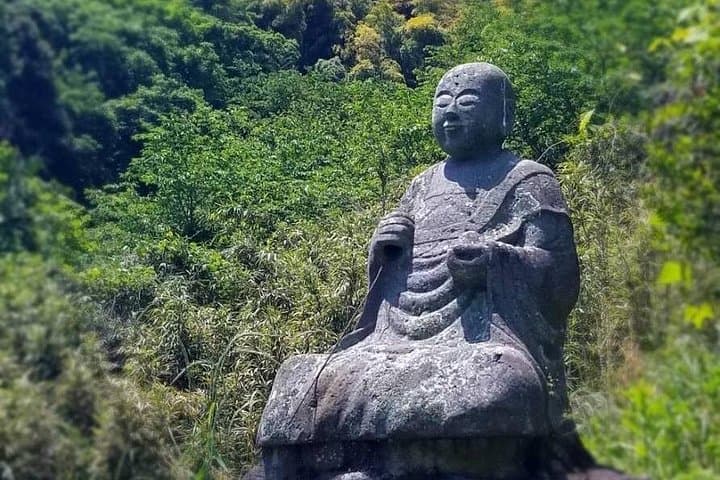
Stepping onto this section of the Kyushu Saigoku Pilgrimage, the world tightens to a five-kilometer ribbon of stone, forest, sea and weathered faces. The route climbs roughly 200 meters over mixed dirt and paved trail, and for three hours walkers move between low stone Buddhas—270 in total—each carved and placed across more than a millennium of devotion.
Stepping onto this section of the Kyushu Saigoku Pilgrimage, the world tightens to a five-kilometer ribbon of stone, forest, sea and weathered faces. The route climbs roughly 200 meters over mixed dirt and paved trail, and for three hours walkers move between low stone Buddhas—270 in total—each carved and placed across more than a millennium of devotion.
The path dates to roughly 1,280 years ago, when routes linking small mountain shrines and coastal temples threaded Buddhist practice into everyday life. Geologically, the trail runs along volcanic foothills that shelter warm, humid vegetation and look out to the Inland Sea; the contrast of basalt talus and wind-polished shoreline frames the pilgrimage’s cultural focus on sea and mountain blessings.
A local guide explains ritual customs, the route’s origins and how Buddhism arrived to Kyushu via continental connections, while pointing out signposts of island life: terraced fields, stands of sugi (Japanese cedar) and macaques higher on the ridge. Nature here is active—the sea dares a glare across the bay and the forest pushes you onward with damp, resin-scented air.
Practical guidance: this is a moderate walk with some uneven steps and short climbs—sturdy shoes and at least 1–1.5 liters of water recommended. Public transport reaches Beppu, and the meeting point is typically near the city; plan for changing weather and modest, respectful clothing for religious sites. Travelers with back, heart, or pregnancy concerns should consult the provider; infants must sit on laps. Expect a blend of cultural education and a quietly physical day on an authentic rural pilgrimage route.