THE ADVENTURE COLLECTIVE® · Independent discovery and booking for outdoor travel

Move through millennia on a private, five-hour circuit of Luxor Temple, Karnak's columned halls, and the compact Mummification Museum. This guided route pairs close-up ancient architecture with practical tips for comfort and timing.
Move through millennia on a private, five-hour circuit of Luxor Temple, Karnak's columned halls, and the compact Mummification Museum. This guided route pairs close-up ancient architecture with practical tips for comfort and timing.
The morning light slants over the Nile as the city of Luxor wakes—warm air carrying dust and the faint call of vendors. A private guide meets you by an air-conditioned vehicle; within minutes you are walking where priests and pharaohs once moved, columns and statues keeping a steady, ancient watch.
Verified experiences and guided adventures in the surrounding area.
Operated by Get Egypt Vacation · Luxor, Luxor Governorate
The morning light slants over the Nile as the city of Luxor wakes—warm air carrying dust and the faint call of vendors. A private guide meets you by an air-conditioned vehicle; within minutes you are walking where priests and pharaohs once moved, columns and statues keeping a steady, ancient watch.
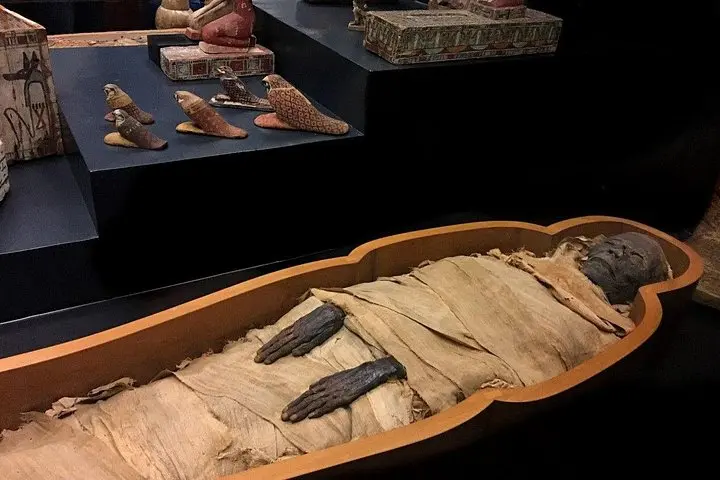
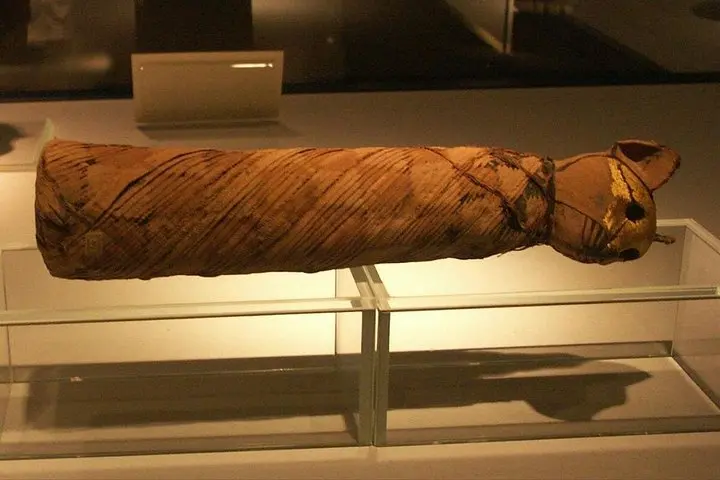
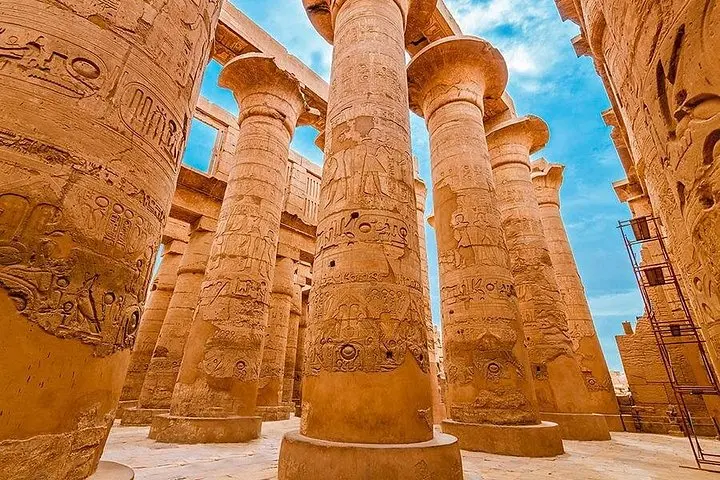
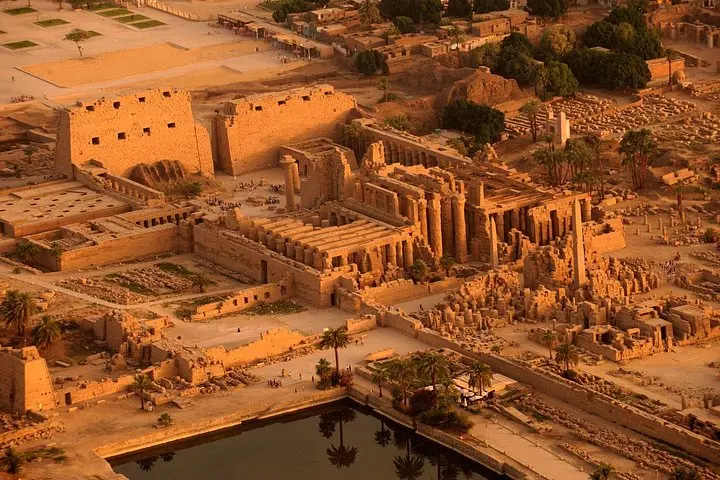
Begin at Luxor Temple: sandstone corridors punctuated by colossal statues and densely carved hieroglyphs that record ritual and royal decree. Move to Karnak, a complex built and rebuilt across dynasties; the Hypostyle Hall's forest of 134 columns compresses and then releases sightlines until the sky opens above. Finally, the compact Mummification Museum lays out the practical, sometimes clinical, steps ancient embalmers used to prepare the dead—models, tools and animal mummies make the process tangible.
Geology here is simple—Nile silt and mudbrick on a limestone base—but cultural layering is dense: New Kingdom ambition sits atop older shrines, and Greco-Roman additions thread through the pharaonic core. Local guides connect monuments to contemporary Luxor: markets, mosque calls, and family-run workshops that repair carved stone.
Practicalities: the private itinerary typically lasts about five hours, with mostly flat walking on packed stone and some uneven flagstones at Karnak. Bring sun protection, a reusable water bottle, and comfortable closed-toe shoes. Expect brief security checks and ticket queues even on private tours; guides often handle admissions. Early morning or late afternoon visits reduce heat and harsh light for photos. Respect religious sites, avoid flash on sensitive artifacts, and budget time for short breaks and photo stops.
Most private tours include admission to Luxor Temple, Karnak and the Mummification Museum; confirm with your operator before booking.
Expect mostly flat walking totaling several kilometers across the sites with pauses for interpretation and photos.
Yes—this is rated easy, but plan for shade breaks and slower pacing for those with limited mobility.
Photography is generally permitted; avoid flash on sensitive artifacts and follow museum signage and guide directions.
Get Egypt Vacation operates guided outdoor trips and adventures with an emphasis on safety, stewardship, and memorable experiences.
The morning light slants over the Nile as the city of Luxor wakes—warm air carrying dust and the faint call of vendors. A private guide meets you by an air-conditioned vehicle; within minutes you are walking where priests and pharaohs once moved, columns and statues keeping a steady, ancient watch.
The morning light slants over the Nile as the city of Luxor wakes—warm air carrying dust and the faint call of vendors. A private guide meets you by an air-conditioned vehicle; within minutes you are walking where priests and pharaohs once moved, columns and statues keeping a steady, ancient watch.
Begin at Luxor Temple: sandstone corridors punctuated by colossal statues and densely carved hieroglyphs that record ritual and royal decree. Move to Karnak, a complex built and rebuilt across dynasties; the Hypostyle Hall's forest of 134 columns compresses and then releases sightlines until the sky opens above. Finally, the compact Mummification Museum lays out the practical, sometimes clinical, steps ancient embalmers used to prepare the dead—models, tools and animal mummies make the process tangible.
Geology here is simple—Nile silt and mudbrick on a limestone base—but cultural layering is dense: New Kingdom ambition sits atop older shrines, and Greco-Roman additions thread through the pharaonic core. Local guides connect monuments to contemporary Luxor: markets, mosque calls, and family-run workshops that repair carved stone.
Practicalities: the private itinerary typically lasts about five hours, with mostly flat walking on packed stone and some uneven flagstones at Karnak. Bring sun protection, a reusable water bottle, and comfortable closed-toe shoes. Expect brief security checks and ticket queues even on private tours; guides often handle admissions. Early morning or late afternoon visits reduce heat and harsh light for photos. Respect religious sites, avoid flash on sensitive artifacts, and budget time for short breaks and photo stops.