THE ADVENTURE COLLECTIVE® · Independent discovery and booking for outdoor travel

Step into the streets that ignited 1789 with a university teacher as your guide. This 90-minute Bastille-area walking tour blends close-up urban history with on-street storytelling and primary documents.
Step into the streets that ignited 1789 with a university teacher as your guide. This 90-minute Bastille-area walking tour blends close-up urban history with on-street storytelling and primary documents.
The morning air around Place de la Bastille tastes faintly of espresso and hot iron—street vendors set up, cicadas are quiet in summer, and the wide circular plaza leaves room for memory. On this ninety-minute walking tour a university teacher leads a compact group from the Faubourg Saint-Antoine through narrow 18th-century passages toward the site where the Bastille once stood, sketching political life and personal anecdotes as you move.
Verified experiences and guided adventures in the surrounding area.
Operated by Parisvu · Paris, Île-de-France
The morning air around Place de la Bastille tastes faintly of espresso and hot iron—street vendors set up, cicadas are quiet in summer, and the wide circular plaza leaves room for memory. On this ninety-minute walking tour a university teacher leads a compact group from the Faubourg Saint-Antoine through narrow 18th-century passages toward the site where the Bastille once stood, sketching political life and personal anecdotes as you move.
Paris sits on pale Lutetian limestone; beneath the streets the old quarries and cellars hum with history and a city shaped by layers—social, architectural, geological. The Faubourg Saint-Antoine was a working-class district, a center of furniture-makers and radical politics, and the storming of the Bastille on 14 July 1789 became both a literal breach and a turning point in modern French governance.
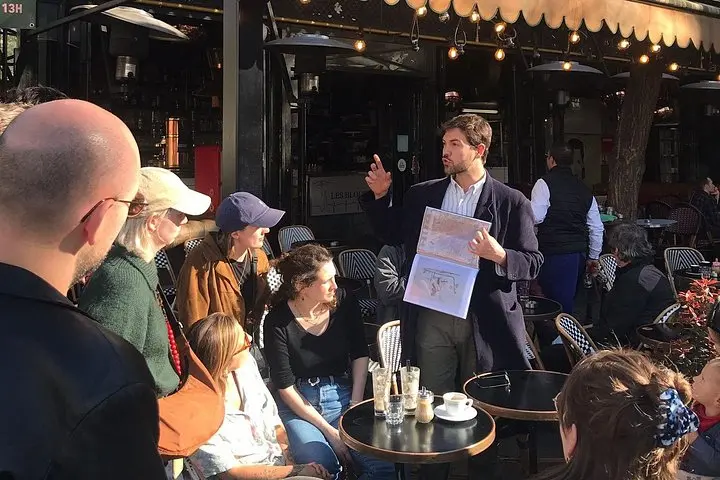
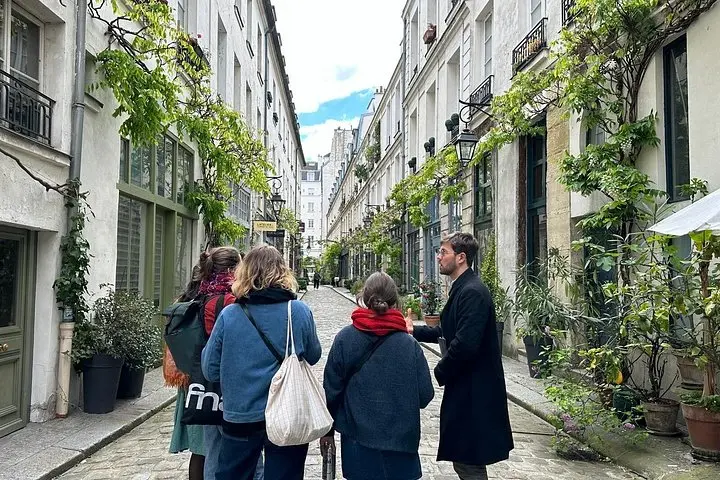
Along cobbled side streets you’ll see period churches, discreet plaques marking revolutionary residences, and covered passages where deputies met. The guide often shares original documents and local stories that sharpen context: why this quarter rose first, how neighborhoods organized, and how daily life intersected with the national rupture.
Practical matters are straightforward: the tour lasts about 90 minutes, is suitable for most fitness levels, and uses public-transport-friendly meeting points (Métro Bastille). Wear supportive shoes for cobbles, bring a water bottle and a light layer for changing weather, and arrive 10 minutes early—groups cap at 15 and the guide provides primary interpretation and documents. This is a focused, walkable way to experience 1789 through Parisian streets rather than museum exhibits.
Most departures meet near Place de la Bastille (Métro Bastille); the route is a loop-style walk finishing close to the starting point.
Yes—strollers are accessible on this route, though cobbles can be bumpy in short sections; infants should be secured for uneven paving.
This is a street-based walking tour; admission to museums is not included, but the guide provides reproductions and primary documents for interpretation.
Tours are led in French (check the operator for other language options); shared tours typically cap at 15 participants for clearer commentary.
Parisvu operates guided outdoor trips and adventures with an emphasis on safety, stewardship, and memorable experiences.

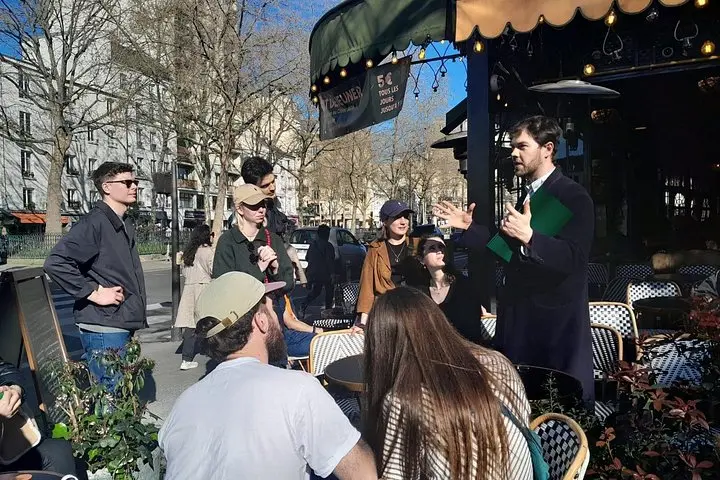
The morning air around Place de la Bastille tastes faintly of espresso and hot iron—street vendors set up, cicadas are quiet in summer, and the wide circular plaza leaves room for memory. On this ninety-minute walking tour a university teacher leads a compact group from the Faubourg Saint-Antoine through narrow 18th-century passages toward the site where the Bastille once stood, sketching political life and personal anecdotes as you move.
The morning air around Place de la Bastille tastes faintly of espresso and hot iron—street vendors set up, cicadas are quiet in summer, and the wide circular plaza leaves room for memory. On this ninety-minute walking tour a university teacher leads a compact group from the Faubourg Saint-Antoine through narrow 18th-century passages toward the site where the Bastille once stood, sketching political life and personal anecdotes as you move.
Paris sits on pale Lutetian limestone; beneath the streets the old quarries and cellars hum with history and a city shaped by layers—social, architectural, geological. The Faubourg Saint-Antoine was a working-class district, a center of furniture-makers and radical politics, and the storming of the Bastille on 14 July 1789 became both a literal breach and a turning point in modern French governance.
Along cobbled side streets you’ll see period churches, discreet plaques marking revolutionary residences, and covered passages where deputies met. The guide often shares original documents and local stories that sharpen context: why this quarter rose first, how neighborhoods organized, and how daily life intersected with the national rupture.
Practical matters are straightforward: the tour lasts about 90 minutes, is suitable for most fitness levels, and uses public-transport-friendly meeting points (Métro Bastille). Wear supportive shoes for cobbles, bring a water bottle and a light layer for changing weather, and arrive 10 minutes early—groups cap at 15 and the guide provides primary interpretation and documents. This is a focused, walkable way to experience 1789 through Parisian streets rather than museum exhibits.