
Walk the Romantic Quarter: 19th-Century Art Tour in Nouvelle Athènes, Paris
Walk through Paris’s Nouvelle Athènes with a historian-guide and encounter the streets, studios, and small museums where Romantic and Symbolist artists lived and worked. This two-hour walking tour blends cultural narrative with tangible city history and practical tips for visiting.
An Adventure In Paris.
Walk through Paris’s Nouvelle Athènes with a historian-guide and encounter the streets, studios, and small museums where Romantic and Symbolist artists lived and worked. This two-hour walking tour blends cultural narrative with tangible city history and practical tips for visiting.
Read the full experience
The morning air near Place Pigalle has a different grain—cobblestones warmed by the sun, shutters creaking, and the low murmur of cafés reclaiming their chairs. The guide leads through narrow streets where 19th-century artists once argued over composition and scandal; every corner suggests a scene waiting for a sketchbook.
The morning air near Place Pigalle has a different grain—cobblestones warmed by the sun, shutters creaking, and the low murmur of cafés reclaiming their chairs. The guide leads through narrow streets where 19th-century artists once argued over composition and scandal; every corner suggests a scene waiting for a sketchbook.
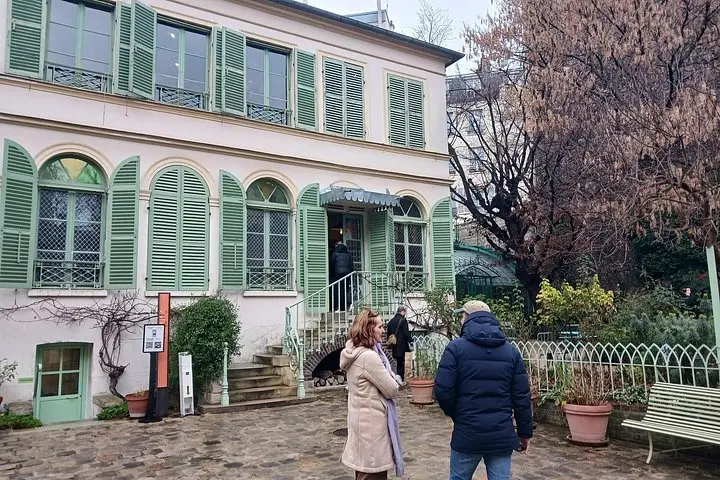
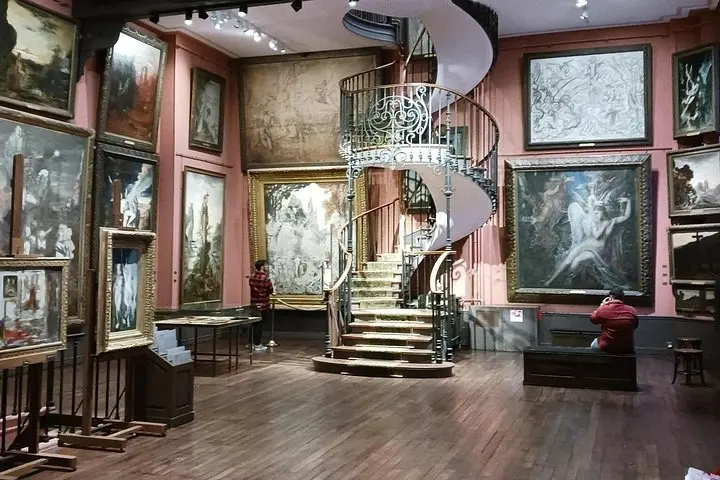
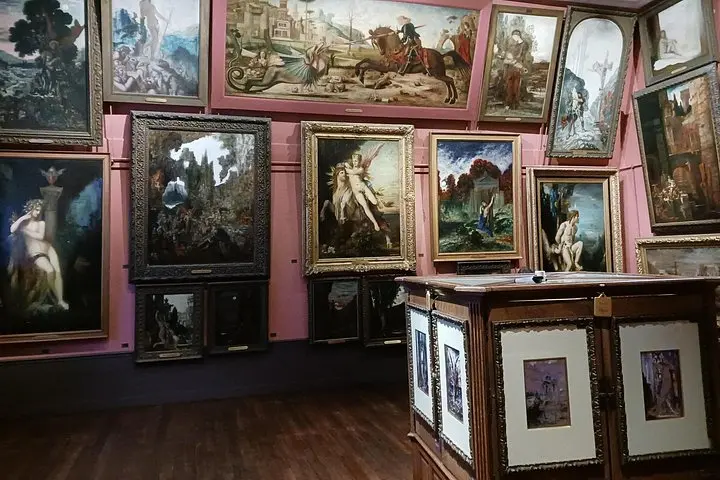
The Nouvelle Athènes (New Athens) quarter grew during the 1820s–30s as Paris expanded past its old limits. Architects built compact hôtels particuliers and studios atop the region’s pale Lutetian limestone, whose quarries shaped the city’s underbelly and façades. The tour follows the route of Romantic and early Symbolist life — from the bohemian gatherings around Place Pigalle to the intimate Musée de la Vie Romantique and the atelier-museum of Gustave Moreau — tracing how melody, prose and canvas converged in salons, cafés and private gardens.
Along the way the guide highlights cultural threads: Chopin’s salons, George Sand’s influence, and the transition to grand department stores like Galerie Lafayette that marked Paris’s leap into modern consumer culture. Visitors leave with a sense of how urban geology, architecture and patronage shaped creative networks.
Practicalities: plan for a two-hour walking loop that includes museum entry; bring comfortable shoes for paved streets and a light layer for sudden shifts in weather. The tour moves at a measured pace with short indoor stops; travelers should expect stairs in older buildings and check language or accessibility needs when booking. Photographers will find plentiful, less-photographed corners for portraits and detail shots.
Frequently asked questions
The tour itinerary includes entry to small museums listed in the booking (Musée de la Vie Romantique and Musée Gustave Moreau); confirm at booking for the current inclusions.
Language can vary by operator and listing — check the booking page or contact the provider to confirm the guide’s language for your date.
Many 19th-century buildings have stairs and limited accessibility; contact the provider ahead of time to discuss alternative arrangements or modified routes.
Photography policies vary by site — outdoor and street photography is fine, but some interiors or specific exhibits may restrict flash or tripods.
About This Experience
Paris Promenade operates guided outdoor trips and adventures with an emphasis on safety, stewardship, and memorable experiences.
Adventure tips
Recommended gear
- Comfortable walking shoes: Support and traction for paved, sometimes uneven streets and short staircases.
- Light rain jacket: Spring showers are common; a packable shell keeps you comfortable without bulk.
- Refillable water bottle: Stay hydrated between café stops, especially on warmer days.
- Camera or smartphone: Plenty of photo opportunities — bring spare battery or power bank for longer outings.
Photos of the experience
Related adventures & guides
Read the full experience
The morning air near Place Pigalle has a different grain—cobblestones warmed by the sun, shutters creaking, and the low murmur of cafés reclaiming their chairs. The guide leads through narrow streets where 19th-century artists once argued over composition and scandal; every corner suggests a scene waiting for a sketchbook.
The morning air near Place Pigalle has a different grain—cobblestones warmed by the sun, shutters creaking, and the low murmur of cafés reclaiming their chairs. The guide leads through narrow streets where 19th-century artists once argued over composition and scandal; every corner suggests a scene waiting for a sketchbook.
The Nouvelle Athènes (New Athens) quarter grew during the 1820s–30s as Paris expanded past its old limits. Architects built compact hôtels particuliers and studios atop the region’s pale Lutetian limestone, whose quarries shaped the city’s underbelly and façades. The tour follows the route of Romantic and early Symbolist life — from the bohemian gatherings around Place Pigalle to the intimate Musée de la Vie Romantique and the atelier-museum of Gustave Moreau — tracing how melody, prose and canvas converged in salons, cafés and private gardens.
Along the way the guide highlights cultural threads: Chopin’s salons, George Sand’s influence, and the transition to grand department stores like Galerie Lafayette that marked Paris’s leap into modern consumer culture. Visitors leave with a sense of how urban geology, architecture and patronage shaped creative networks.
Practicalities: plan for a two-hour walking loop that includes museum entry; bring comfortable shoes for paved streets and a light layer for sudden shifts in weather. The tour moves at a measured pace with short indoor stops; travelers should expect stairs in older buildings and check language or accessibility needs when booking. Photographers will find plentiful, less-photographed corners for portraits and detail shots.
Make a day of it nearby.
Verified experiences and guided adventures in the surrounding area.