THE ADVENTURE COLLECTIVE® · Independent discovery and booking for outdoor travel

Trace Central’s layered past on a guided walking tour that moves from incense-filled temples to neo‑classical courthouses and restored police compounds. Ideal for history-minded travelers who prefer compact, sensory urban exploration.
Trace Central’s layered past on a guided walking tour that moves from incense-filled temples to neo‑classical courthouses and restored police compounds. Ideal for history-minded travelers who prefer compact, sensory urban exploration.
The tour begins on a narrow, incense-scented lane outside Man Mo Temple, where the city’s old gods sit beneath spirals of smoke and polished wooden beams. From there the route threads through laneways and granite steps, moving from the market chatter of Cat Street to the restored courtyards of Tai Kwun and the gas-lit quiet of Duddell Street. The harbor’s light is always nearby, reflected in glass facades and on the bronze of Statue Square.
Verified experiences and guided adventures in the surrounding area.
Operated by Victoria Voyage - Discover Hong Kong · Hong Kong, Hong Kong
The tour begins on a narrow, incense-scented lane outside Man Mo Temple, where the city’s old gods sit beneath spirals of smoke and polished wooden beams. From there the route threads through laneways and granite steps, moving from the market chatter of Cat Street to the restored courtyards of Tai Kwun and the gas-lit quiet of Duddell Street. The harbor’s light is always nearby, reflected in glass facades and on the bronze of Statue Square.
Hong Kong’s Central district records layers of history: Qing-era shrines, Victorian-era institutions, and 20th‑century banking power all occupy a compressed footprint. Geology matters here too — granite steps and reclaimed land tell stories of shoreline change and urban growth. Culturally, this walk exposes Cantonese ritual (temple offerings, tea culture at Flagstaff House) alongside colonial civic architecture: the Old Supreme Court, HSBC, and statue-strewn plazas that map power and trade.
Practically, expect 3–4 hours of mostly flat walking with short flights of historic stone steps; surfaces are paved and wheelchair-accessible on the provided route. Guides tailor stops to your interests, so bring a camera, modest attire for temples, and a readiness to pause for tea or antiques. Peak walking comfort comes with early starts to avoid midday humidity in summer and mid-morning timing in cooler months to see markets at their liveliest. Restrooms and cafés punctuate the route; public transit links are frequent, making the tour easy to combine with other Central sights.
This is a close-up urban history walk — compact, sensory, and precise — ideal for travelers who want to read the city’s past in its streets.
Yes — the itinerary notes wheelchair accessibility and routes are chosen to accommodate mobility needs; confirm any specific requirements when booking.
This tour’s inclusions focus on guided visits and complimentary incense; check the booking for any separate admission fees to specialty exhibitions at Tai Kwun or museums.
Yes — the tour listing indicates stroller access is possible, but busy lanes and steps may require occasional lifts; notify the operator ahead for assistance.
Most private tours are led in English by locally based guides; specify language preferences in the pre-tour questionnaire to confirm availability.
Victoria Voyage - Discover Hong Kong operates guided outdoor trips and adventures with an emphasis on safety, stewardship, and memorable experiences.
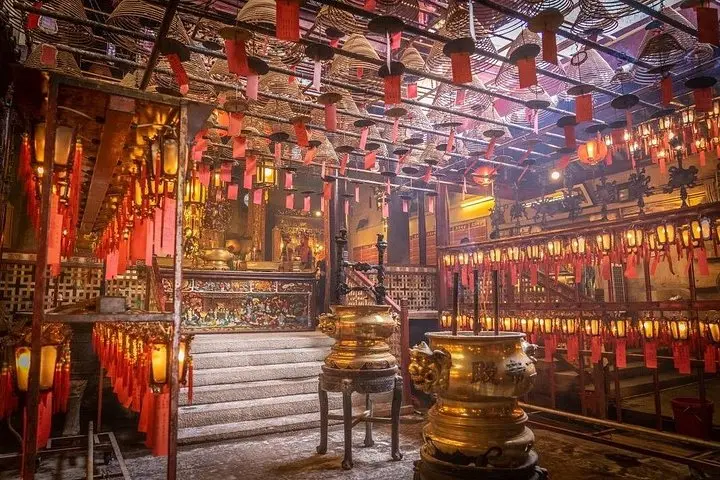
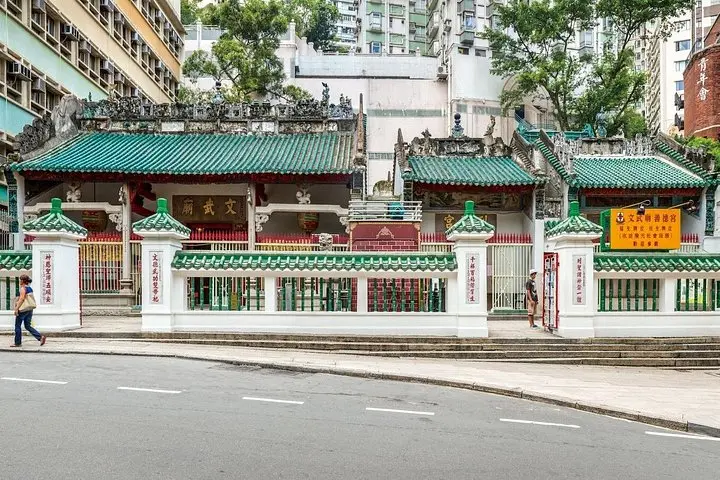
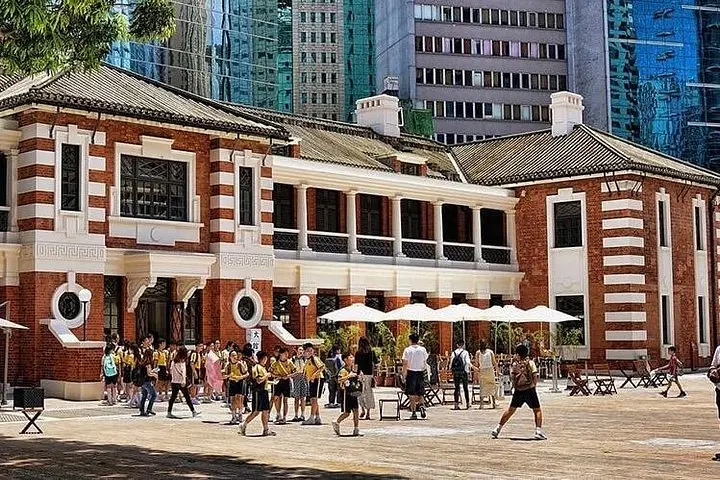
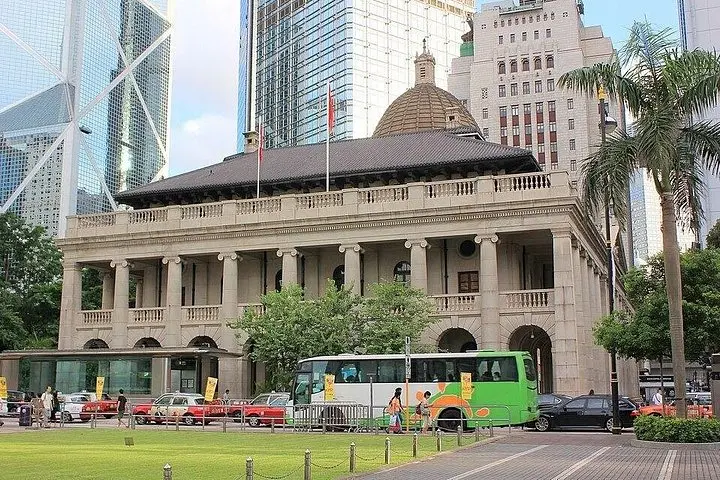
The tour begins on a narrow, incense-scented lane outside Man Mo Temple, where the city’s old gods sit beneath spirals of smoke and polished wooden beams. From there the route threads through laneways and granite steps, moving from the market chatter of Cat Street to the restored courtyards of Tai Kwun and the gas-lit quiet of Duddell Street. The harbor’s light is always nearby, reflected in glass facades and on the bronze of Statue Square.
The tour begins on a narrow, incense-scented lane outside Man Mo Temple, where the city’s old gods sit beneath spirals of smoke and polished wooden beams. From there the route threads through laneways and granite steps, moving from the market chatter of Cat Street to the restored courtyards of Tai Kwun and the gas-lit quiet of Duddell Street. The harbor’s light is always nearby, reflected in glass facades and on the bronze of Statue Square.
Hong Kong’s Central district records layers of history: Qing-era shrines, Victorian-era institutions, and 20th‑century banking power all occupy a compressed footprint. Geology matters here too — granite steps and reclaimed land tell stories of shoreline change and urban growth. Culturally, this walk exposes Cantonese ritual (temple offerings, tea culture at Flagstaff House) alongside colonial civic architecture: the Old Supreme Court, HSBC, and statue-strewn plazas that map power and trade.
Practically, expect 3–4 hours of mostly flat walking with short flights of historic stone steps; surfaces are paved and wheelchair-accessible on the provided route. Guides tailor stops to your interests, so bring a camera, modest attire for temples, and a readiness to pause for tea or antiques. Peak walking comfort comes with early starts to avoid midday humidity in summer and mid-morning timing in cooler months to see markets at their liveliest. Restrooms and cafés punctuate the route; public transit links are frequent, making the tour easy to combine with other Central sights.
This is a close-up urban history walk — compact, sensory, and precise — ideal for travelers who want to read the city’s past in its streets.