THE ADVENTURE COLLECTIVE® · Independent discovery and booking for outdoor travel

Leave Paris behind for a 6-mile guided walk to Auvers-sur-Oise, following the Oise and the landscapes Van Gogh painted in his final months. Expect village lanes, riverside views, a château garden lunch, and practical tips for a comfortable, art-focused hike.
Leave Paris behind for a 6-mile guided walk to Auvers-sur-Oise, following the Oise and the landscapes Van Gogh painted in his final months. Expect village lanes, riverside views, a château garden lunch, and practical tips for a comfortable, art-focused hike.
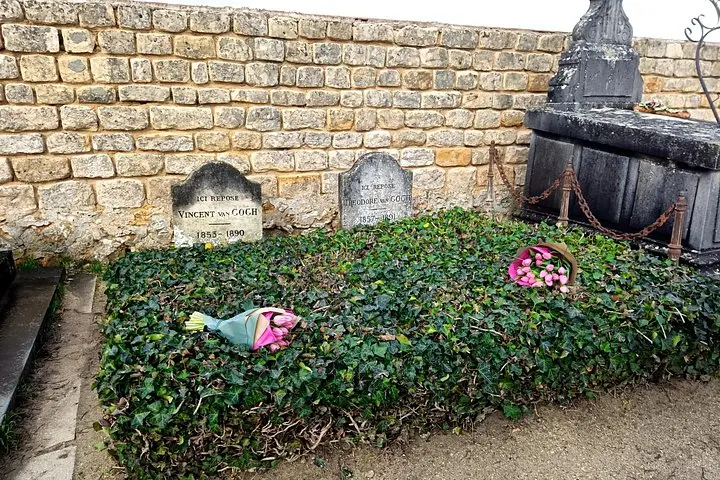
A morning train eases out of Paris; glass and steel give way to low fields and the Oise winding like a ribbon that dares you to follow. Stepping off at the small station, the group threads country lanes toward Auvers-sur-Oise, where wind and river shaped canvases and, eventually, a last chapter in Vincent van Gogh’s life.
Verified experiences and guided adventures in the surrounding area.
Operated by GO HIKING PARIS · Auvers-sur-Oise, Val-d'Oise
A morning train eases out of Paris; glass and steel give way to low fields and the Oise winding like a ribbon that dares you to follow. Stepping off at the small station, the group threads country lanes toward Auvers-sur-Oise, where wind and river shaped canvases and, eventually, a last chapter in Vincent van Gogh’s life.
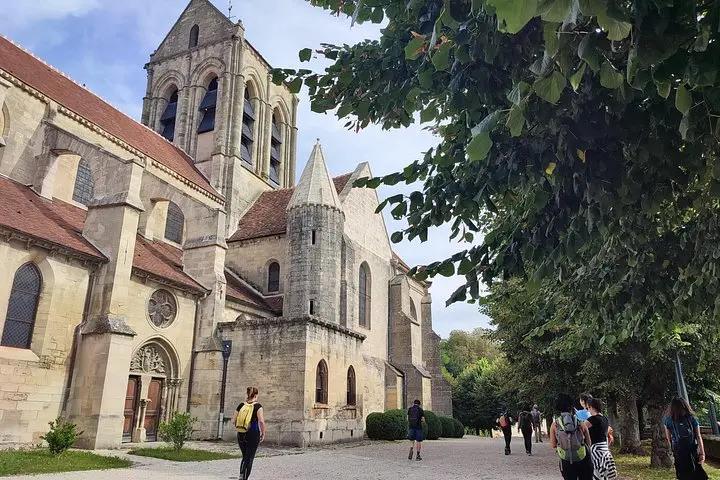
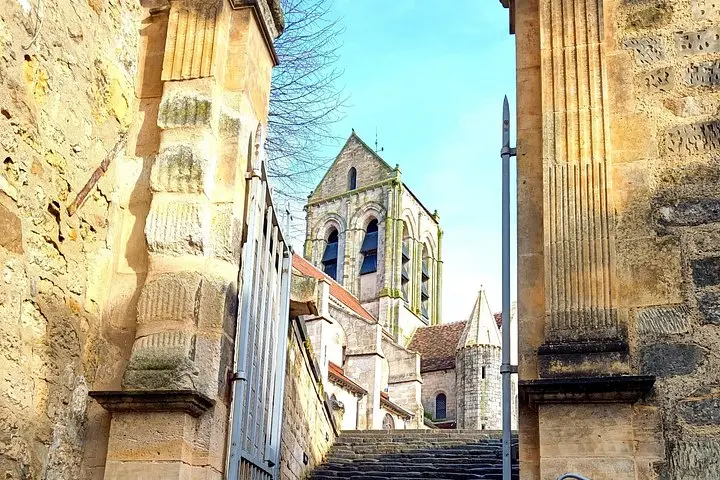
The walk crosses the Vexin’s limestone shelf and the river’s alluvial floodplain—chalky soils that make for bright spring greens and sun-browned grasses by summer. Auvers has been a magnet for 19th-century painters; in 1890 Van Gogh spent his final 70 days here, painting the church, the thatched cottages, and the fields that define the village’s character. The château’s jardin à la française provides a classic French pause for lunch while the guide points out spots where sketches became masterpieces.
Expect roughly 6 miles (10 km) at a moderate pace with only about 200 ft (60 m) of cumulative ascent across mixed surfaces: paved lanes, farm tracks, and occasional grassy banks. The route keeps to public rights-of-way and small village streets—packed earth and cobbles mean steady shoes are essential. Bring water, sun protection, and a light layer for river breezes; public transport links return you to Paris in about 40 minutes. Museums and house entries are generally not included, so plan extra time if you want to go inside.
This walk balances sensory detail—birds lifting from reed beds, church bells marking time—with straightforward logistics, making it a practical way to trace art history on foot.
Most departures use a regional train from central Paris; allow about 40 minutes—confirm the exact station and platform on your booking and arrive 10–15 minutes early.
Yes, if you can comfortably walk 10 km at a moderate pace; the terrain is not technical but requires steady footing and basic stamina.
No—museum entries and visits inside Van Gogh’s house are generally not included, though the guide will point them out and explain how to visit independently.
Older children who can walk 6 miles at a steady pace will be fine; the tour is not recommended for very young children or those unable to keep the group pace.
GO HIKING PARIS operates guided outdoor trips and adventures with an emphasis on safety, stewardship, and memorable experiences.
A morning train eases out of Paris; glass and steel give way to low fields and the Oise winding like a ribbon that dares you to follow. Stepping off at the small station, the group threads country lanes toward Auvers-sur-Oise, where wind and river shaped canvases and, eventually, a last chapter in Vincent van Gogh’s life.
A morning train eases out of Paris; glass and steel give way to low fields and the Oise winding like a ribbon that dares you to follow. Stepping off at the small station, the group threads country lanes toward Auvers-sur-Oise, where wind and river shaped canvases and, eventually, a last chapter in Vincent van Gogh’s life.
The walk crosses the Vexin’s limestone shelf and the river’s alluvial floodplain—chalky soils that make for bright spring greens and sun-browned grasses by summer. Auvers has been a magnet for 19th-century painters; in 1890 Van Gogh spent his final 70 days here, painting the church, the thatched cottages, and the fields that define the village’s character. The château’s jardin à la française provides a classic French pause for lunch while the guide points out spots where sketches became masterpieces.
Expect roughly 6 miles (10 km) at a moderate pace with only about 200 ft (60 m) of cumulative ascent across mixed surfaces: paved lanes, farm tracks, and occasional grassy banks. The route keeps to public rights-of-way and small village streets—packed earth and cobbles mean steady shoes are essential. Bring water, sun protection, and a light layer for river breezes; public transport links return you to Paris in about 40 minutes. Museums and house entries are generally not included, so plan extra time if you want to go inside.
This walk balances sensory detail—birds lifting from reed beds, church bells marking time—with straightforward logistics, making it a practical way to trace art history on foot.