THE ADVENTURE COLLECTIVE® · Independent discovery and booking for outdoor travel

Join a small-group, ethical walk with three rescued elephants on a private reserve just outside Johannesburg. Limited to eight guests and led by experienced rangers, the one-hour walk prioritizes animal welfare and close, respectful viewing.
Join a small-group, ethical walk with three rescued elephants on a private reserve just outside Johannesburg. Limited to eight guests and led by experienced rangers, the one-hour walk prioritizes animal welfare and close, respectful viewing.
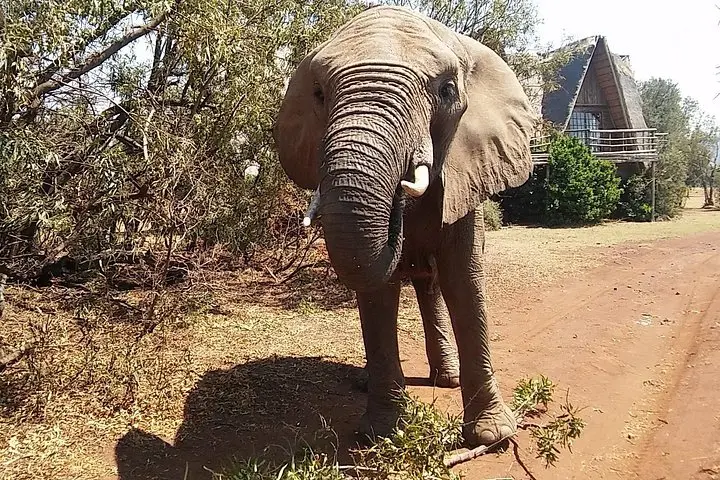
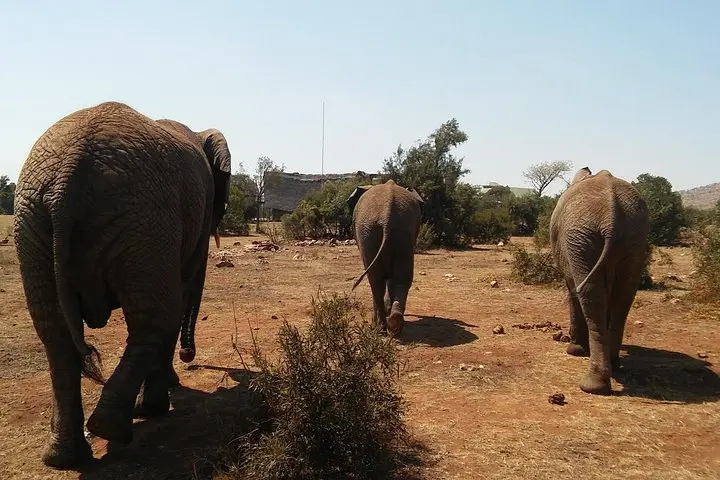
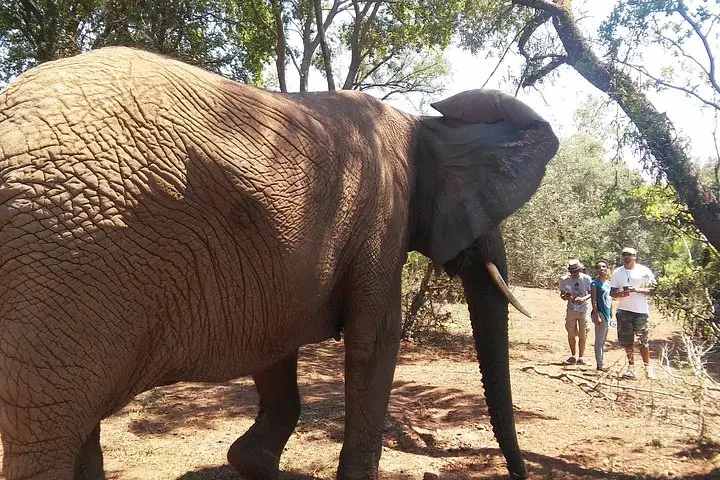
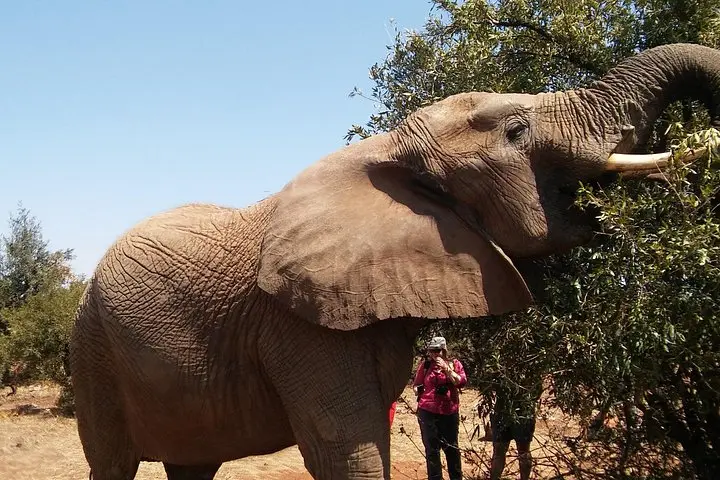
You step off the vehicle into dry grass and low bush; trunks nibble at trees nearby and a slow, measured breath passes through the herd. The three semi-habituated elephants lead the way, deciding the pace, and you follow on a quiet path that can range from a short 500 m loop to a 2 km wander depending on their mood.
Verified experiences and guided adventures in the surrounding area.
Operated by DJM Adventures T/A South Africa Adventures · Johannesburg, Gauteng
You step off the vehicle into dry grass and low bush; trunks nibble at trees nearby and a slow, measured breath passes through the herd. The three semi-habituated elephants lead the way, deciding the pace, and you follow on a quiet path that can range from a short 500 m loop to a 2 km wander depending on their mood.
These animals were rescued from Kruger National Park and now roam a private reserve outside Johannesburg under the supervision of dedicated elephant rangers. The encounter is purposefully low-impact: no rides, no tricks, and groups capped at eight people to minimize stress on the animals. That stewardship reflects a broader history in the region where private reserves work to rehabilitate displaced wildlife while offering controlled, educational viewing opportunities.
Geologically the landscape is classic Highveld: shallow soils over weathered bedrock, dotted with mopane and acacia, and punctuated by termite mounds that attract grazers. Local culture around these reserves blends conservation-driven tourism with rural communities who often partner on guiding and logistics.
Practically, the walk itself is about an hour and guided by three experienced rangers; the full excursion, including transfers and briefing, typically takes a few hours. Wear comfortable walking shoes, keep movements calm, and follow ranger instructions—elephants respond to body language more than noise. Bring sunscreen, insect repellent, and a camera with a zoom; bottled water is usually supplied. Morning sessions are cooler and offer more active animals; hot afternoons can mean slow, feeding herds. This experience is best for travelers who want close but respectful wildlife encounters and who can follow clear safety guidance.
Yes; walks are guided by experienced elephant rangers, groups are limited to eight, and the elephants are semi-habituated and rescued from Kruger Park.
The guided walk is about one hour, but transfers, briefings and return can make the total booking around 3–4 hours depending on pickup options.
Minimum age is generally 10 years—check with the operator for space and supervision requirements.
Flash and approaching animals are controlled by rangers to avoid distress—always ask before taking close photos.
DJM Adventures T/A South Africa Adventures operates guided outdoor trips and adventures with an emphasis on safety, stewardship, and memorable experiences.
You step off the vehicle into dry grass and low bush; trunks nibble at trees nearby and a slow, measured breath passes through the herd. The three semi-habituated elephants lead the way, deciding the pace, and you follow on a quiet path that can range from a short 500 m loop to a 2 km wander depending on their mood.
You step off the vehicle into dry grass and low bush; trunks nibble at trees nearby and a slow, measured breath passes through the herd. The three semi-habituated elephants lead the way, deciding the pace, and you follow on a quiet path that can range from a short 500 m loop to a 2 km wander depending on their mood.
These animals were rescued from Kruger National Park and now roam a private reserve outside Johannesburg under the supervision of dedicated elephant rangers. The encounter is purposefully low-impact: no rides, no tricks, and groups capped at eight people to minimize stress on the animals. That stewardship reflects a broader history in the region where private reserves work to rehabilitate displaced wildlife while offering controlled, educational viewing opportunities.
Geologically the landscape is classic Highveld: shallow soils over weathered bedrock, dotted with mopane and acacia, and punctuated by termite mounds that attract grazers. Local culture around these reserves blends conservation-driven tourism with rural communities who often partner on guiding and logistics.
Practically, the walk itself is about an hour and guided by three experienced rangers; the full excursion, including transfers and briefing, typically takes a few hours. Wear comfortable walking shoes, keep movements calm, and follow ranger instructions—elephants respond to body language more than noise. Bring sunscreen, insect repellent, and a camera with a zoom; bottled water is usually supplied. Morning sessions are cooler and offer more active animals; hot afternoons can mean slow, feeding herds. This experience is best for travelers who want close but respectful wildlife encounters and who can follow clear safety guidance.