THE ADVENTURE COLLECTIVE® · Independent discovery and booking for outdoor travel

Explore Al-Mu'izz Street and the winding lanes of Khan el-Khalili on a two-hour guided walk through Cairo’s medieval Islamic quarter. Discover Mamluk architecture, local eats, and bargaining tips for the bazaar.
Explore Al-Mu'izz Street and the winding lanes of Khan el-Khalili on a two-hour guided walk through Cairo’s medieval Islamic quarter. Discover Mamluk architecture, local eats, and bargaining tips for the bazaar.
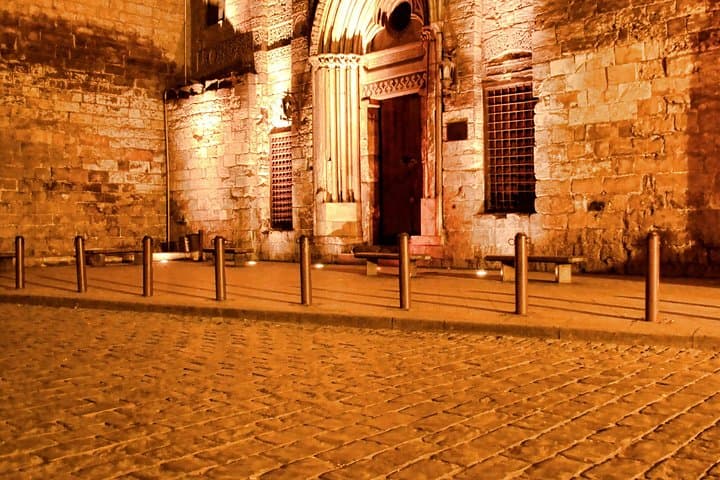
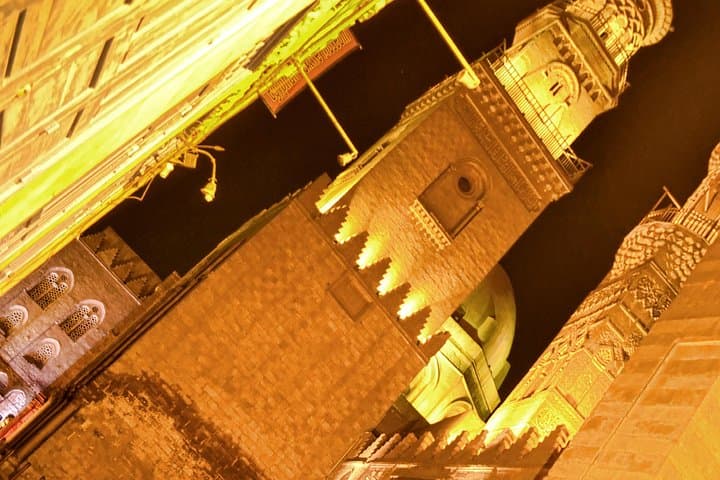
You step off a modern Cairo street and the city’s older spine takes over: narrow lanes fold into shaded alleys, minarets puncture the skyline, and vendors call across stone thresholds. The walk down Al-Mu'izz li-Din Allah Street moves like a living museum — carved wooden mashrabiyas, banded stone facades, and the upright geometry of Mamluk-era mosques guiding the route.
Verified experiences and guided adventures in the surrounding area.
Operated by Amon Ra Toura · Cairo, Cairo
You step off a modern Cairo street and the city’s older spine takes over: narrow lanes fold into shaded alleys, minarets puncture the skyline, and vendors call across stone thresholds. The walk down Al-Mu'izz li-Din Allah Street moves like a living museum — carved wooden mashrabiyas, banded stone facades, and the upright geometry of Mamluk-era mosques guiding the route.
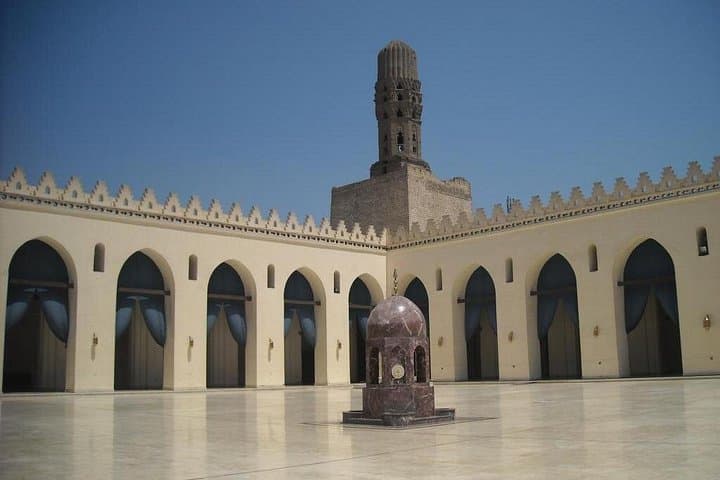
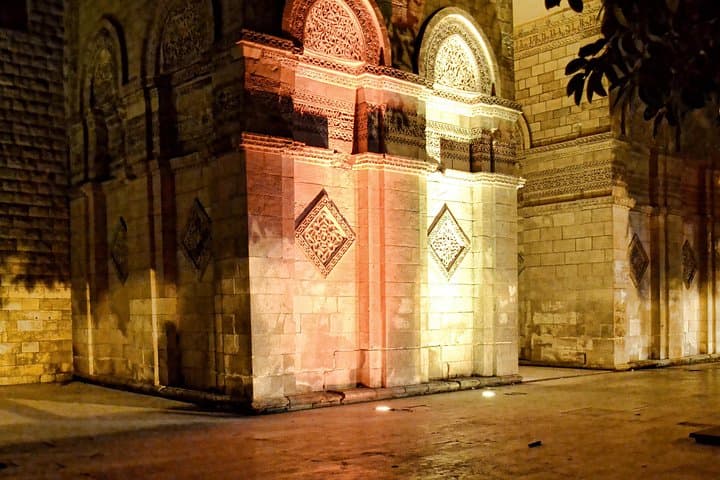
Islamic Cairo grew around medieval trade routes; many monuments visible today date to the Mamluk period (13th–16th centuries) and were built from local limestone and reused Pharaonic blocks, giving facades a weathered, layered feel. Bab al-Futuh and Bab Zuweila once guarded the city; Al-Hakim bi-Amr Allah Mosque and the Qalawun complex showcase carved stucco, domes, and historic courtyard planning. Khan el-Khalili itself evolved from a 14th-century commercial quarter into the labyrinthine bazaar visitors know now.
Culturally, the area is alive with artisans, tea sellers, and families buying daily provisions; bargaining is expected in the market, and local cafés serve mint tea and coconut juice to refresh a hot walk. Photography is rewarding but mindful: many shopkeepers prefer negotiation first.
Practical guidance: the tour is primarily on uneven stone streets and can include crowds and sudden motor traffic at crossings. Wear sturdy shoes, carry sun protection and water, and leave extra time if you plan to shop — bargaining pays off. If you observe respectful dress for mosque entrances, remove hats and shoes where required. Aim for morning or late afternoon for cooler light and fewer crowds.
Yes; vendors generally expect negotiation—start lower, be polite, and be prepared to walk away if the price doesn't feel right.
Tours typically include viewing mosque exteriors and some accessible courtyards; entry rules vary—modest dress and shoe removal are often required.
Much of Islamic Cairo has uneven stone pavements and narrow alleys, which limit accessibility; contact the operator about specific assistance needs.
This tour commonly offers an English-speaking guide and may include local guides or an art historian; confirm language at booking.
Amon Ra Toura operates guided outdoor trips and adventures with an emphasis on safety, stewardship, and memorable experiences.
You step off a modern Cairo street and the city’s older spine takes over: narrow lanes fold into shaded alleys, minarets puncture the skyline, and vendors call across stone thresholds. The walk down Al-Mu'izz li-Din Allah Street moves like a living museum — carved wooden mashrabiyas, banded stone facades, and the upright geometry of Mamluk-era mosques guiding the route.
You step off a modern Cairo street and the city’s older spine takes over: narrow lanes fold into shaded alleys, minarets puncture the skyline, and vendors call across stone thresholds. The walk down Al-Mu'izz li-Din Allah Street moves like a living museum — carved wooden mashrabiyas, banded stone facades, and the upright geometry of Mamluk-era mosques guiding the route.
Islamic Cairo grew around medieval trade routes; many monuments visible today date to the Mamluk period (13th–16th centuries) and were built from local limestone and reused Pharaonic blocks, giving facades a weathered, layered feel. Bab al-Futuh and Bab Zuweila once guarded the city; Al-Hakim bi-Amr Allah Mosque and the Qalawun complex showcase carved stucco, domes, and historic courtyard planning. Khan el-Khalili itself evolved from a 14th-century commercial quarter into the labyrinthine bazaar visitors know now.
Culturally, the area is alive with artisans, tea sellers, and families buying daily provisions; bargaining is expected in the market, and local cafés serve mint tea and coconut juice to refresh a hot walk. Photography is rewarding but mindful: many shopkeepers prefer negotiation first.
Practical guidance: the tour is primarily on uneven stone streets and can include crowds and sudden motor traffic at crossings. Wear sturdy shoes, carry sun protection and water, and leave extra time if you plan to shop — bargaining pays off. If you observe respectful dress for mosque entrances, remove hats and shoes where required. Aim for morning or late afternoon for cooler light and fewer crowds.