
Walking and Canoeing in Arusha National Park: Lakes, Crater Views & Wildlife Day Trip
A full-day mix of game drive, short walks and optional canoeing at Momella Lakes—this trip compresses savanna, crater and lake into one accessible wildlife day. Expect close birdlife viewing, crater panoramas and a relaxed walking pace suited to families.
An Adventure In Arusha.
A full-day mix of game drive, short walks and optional canoeing at Momella Lakes—this trip compresses savanna, crater and lake into one accessible wildlife day. Expect close birdlife viewing, crater panoramas and a relaxed walking pace suited to families.
Read the full experience
You step off the van and the air feels sharp—cooler than downtown Arusha—while Mount Meru watches like a patient neighbor. The trail underfoot moves from open savanna to shaded woodland; giraffes pick their way through acacia as warthogs sprint in the distance. The water at Momella Lakes gleams and dares you closer, pink bands of flamingos punctuating the shallows.
You step off the van and the air feels sharp—cooler than downtown Arusha—while Mount Meru watches like a patient neighbor. The trail underfoot moves from open savanna to shaded woodland; giraffes pick their way through acacia as warthogs sprint in the distance. The water at Momella Lakes gleams and dares you closer, pink bands of flamingos punctuating the shallows.
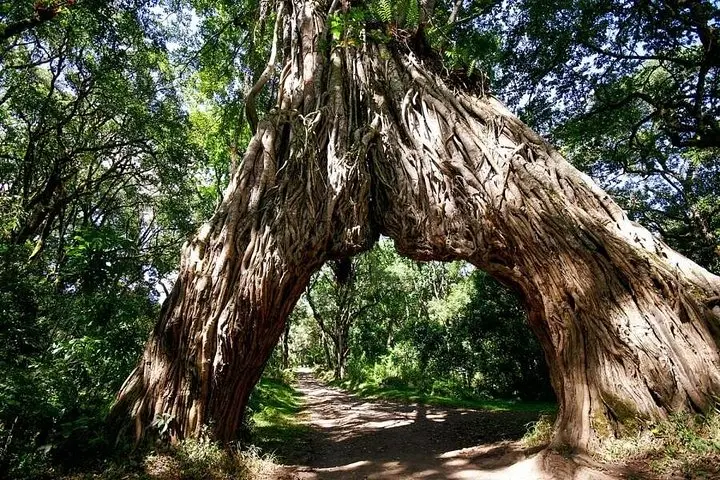
Arusha National Park is compact—about 137 km²—but stacks habitats: grassy plains, a volcanic crater (Ngurdoto), forest slopes and a string of alkaline Momella Lakes. Geologically it’s a younger rift-flank landscape shaped by volcanic activity; culturally the park sits beside routes long used by Maasai and local farmers whose livelihoods graze the park boundary. Expect a day balanced between easy game drives, viewpoint stops at Ngurdoto Crater, and an optional walking or canoeing section around the lake shore for up-close bird and hippo-avoidance observation.
Practically, day trips usually begin near 7:30 AM from Arusha with a full-day rhythm through mid-afternoon—plan on 8–10 hours total on site, walking short loops (1–5 km) and sitting through slow wildlife moments. Bring layered clothing—the temperature drops in shade—and reliable footwear for uneven volcanic soil. Hydrate; the sun is direct and dry. For canoeing, waterproof a small pack and keep cameras in a dry bag. Park gates and guides handle logistics and permits; your guide times water access and walking sections to minimize disturbance and maximize sightings.
By day’s end you return to town having seen crater rims, lake shores and animals that make the short distance from Arusha feel like another world.
Frequently asked questions
Most operators pick up around 7:30 AM with you back in Arusha by late afternoon—plan for roughly 8–10 hours total including drives and park time.
Yes—canoeing on Momella Lakes is generally calm but operators set age or weight limits; check when booking and use provided life jackets.
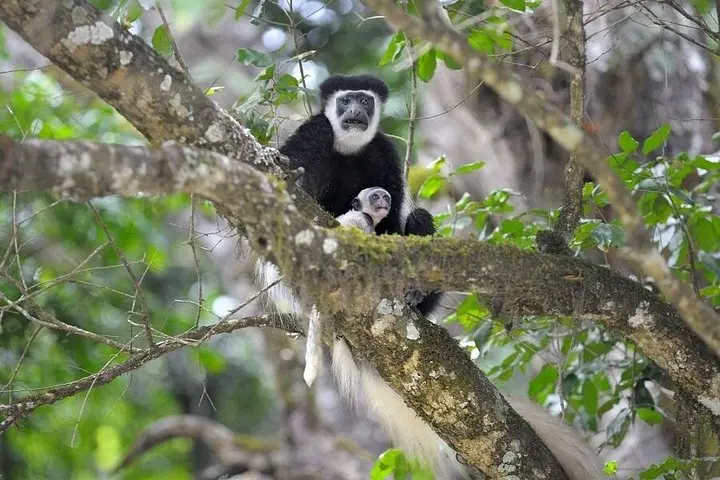
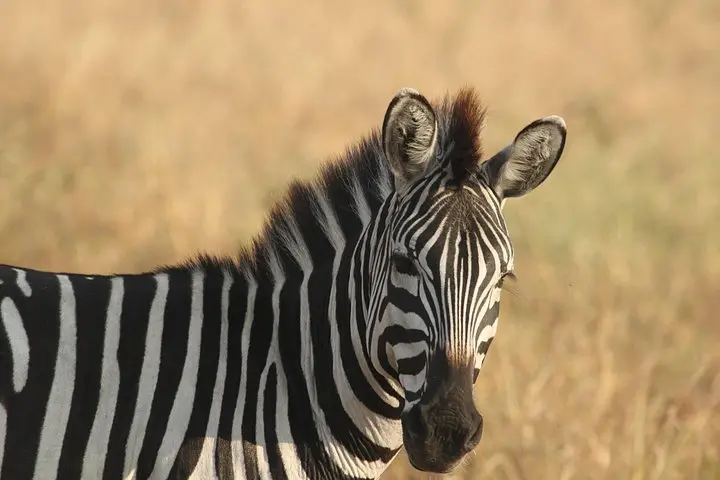
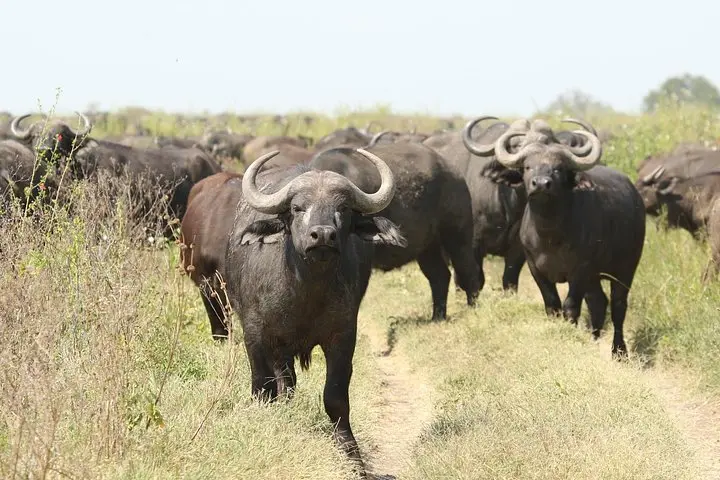
Arusha National Park is compact and offers reliable sightings of giraffe, zebra and buffalo; leopards are possible but rare—elephant and rhino sightings are uncommon here.
Park admission and activity fees are usually included when booked through a tour operator; confirm with your provider which fees are covered at booking.
About This Experience
Suricata Safaris operates guided outdoor trips and adventures with an emphasis on safety, stewardship, and memorable experiences.
Adventure tips
Recommended gear
- Sturdy hiking shoes: Provide traction on rocky soil and comfort for short hikes and crater viewpoints.
- Waterproof dry bag or ziplock: Protects camera, phone and layers during canoeing or lakeside observation.
- Light breathable layers: Layering handles cool morning shade and warmer midday sun at ~1,400–1,800 m elevation.
- Insect repellent and sunscreen: Shoreline and wooded areas can have insects; the equatorial sun is intense even in shade.
Photos of the experience
Related adventures & guides
Read the full experience
You step off the van and the air feels sharp—cooler than downtown Arusha—while Mount Meru watches like a patient neighbor. The trail underfoot moves from open savanna to shaded woodland; giraffes pick their way through acacia as warthogs sprint in the distance. The water at Momella Lakes gleams and dares you closer, pink bands of flamingos punctuating the shallows.
You step off the van and the air feels sharp—cooler than downtown Arusha—while Mount Meru watches like a patient neighbor. The trail underfoot moves from open savanna to shaded woodland; giraffes pick their way through acacia as warthogs sprint in the distance. The water at Momella Lakes gleams and dares you closer, pink bands of flamingos punctuating the shallows.
Arusha National Park is compact—about 137 km²—but stacks habitats: grassy plains, a volcanic crater (Ngurdoto), forest slopes and a string of alkaline Momella Lakes. Geologically it’s a younger rift-flank landscape shaped by volcanic activity; culturally the park sits beside routes long used by Maasai and local farmers whose livelihoods graze the park boundary. Expect a day balanced between easy game drives, viewpoint stops at Ngurdoto Crater, and an optional walking or canoeing section around the lake shore for up-close bird and hippo-avoidance observation.
Practically, day trips usually begin near 7:30 AM from Arusha with a full-day rhythm through mid-afternoon—plan on 8–10 hours total on site, walking short loops (1–5 km) and sitting through slow wildlife moments. Bring layered clothing—the temperature drops in shade—and reliable footwear for uneven volcanic soil. Hydrate; the sun is direct and dry. For canoeing, waterproof a small pack and keep cameras in a dry bag. Park gates and guides handle logistics and permits; your guide times water access and walking sections to minimize disturbance and maximize sightings.
By day’s end you return to town having seen crater rims, lake shores and animals that make the short distance from Arusha feel like another world.
Make a day of it nearby.
Verified experiences and guided adventures in the surrounding area.