THE ADVENTURE COLLECTIVE® · Independent discovery and booking for outdoor travel

Explore Ryugon’s rural lanes at the foot of Mt. Sakado—cycle or walk along the Uono River past rice paddies and a Muromachi-period temple. Choose a short loop or a full-day ride through Niigata’s agricultural heart.
Explore Ryugon’s rural lanes at the foot of Mt. Sakado—cycle or walk along the Uono River past rice paddies and a Muromachi-period temple. Choose a short loop or a full-day ride through Niigata’s agricultural heart.
You step out where the foothills of Mt. Sakado slope into rice paddies and the Uono River threads silver through the valley. Morning mist lifts off irrigated fields; a gravel lane leads past low stone walls and wooden farmhouses, and the river dares you to follow its curve downstream.
Verified experiences and guided adventures in the surrounding area.
Operated by 株式会社いせん · Minami-Uonuma, Niigata Prefecture
You step out where the foothills of Mt. Sakado slope into rice paddies and the Uono River threads silver through the valley. Morning mist lifts off irrigated fields; a gravel lane leads past low stone walls and wooden farmhouses, and the river dares you to follow its curve downstream.
This stretch of Minami-Uonuma has fed communities for centuries: Koshihikari rice terraces claim much of the land, and nearby Untoan temple dates to the Muromachi period, a quiet reminder of the region’s layered past. Geologically, the area sits on riverine deposits carved from the Echigo mountains, producing fertile soils and mellow rolling terrain ideal for walking or easy cycling.
Culture here is agricultural and seasonal—spring green shoots, summer ayu fishing in the Uono, crisp autumn colors, and heavy snow in winter that reshapes routes. Local anglers still fish for sweetfish; you may see traditional wooden sluices and small irrigation channels that show centuries-old water management.
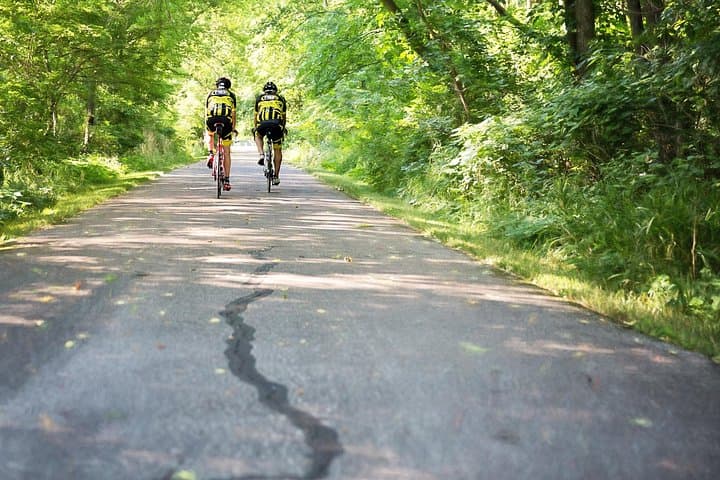
Practical guidance: routes are mostly flat to gently rolling on country roads and packed dirt; choose the short 3-hour loop or the full-day ride that includes village detours. Helmets and standard adult bicycles are provided; bring layered clothing, waterproofs, and cash for small temple donations or vending machines. Expect light traffic on rural lanes; mornings are coolest for cycling and late afternoon gives the best light for photos. Hydrate, keep to local speed limits, and leave no trace—these corridors are both working farmland and living habitat.
Yes; standard adult bicycles and helmets are included with the rental—child riders allowed if they can ride independently.
Routes are mostly flat to gently rolling and rated easy; full-day options require moderate endurance but no technical skills.
Minami-Uonuma is reachable by train and local buses; public transport is available nearby but check schedules for rural connections.
Full refund available if cancelled at least 24 hours before departure; activities may be cancelled for bad weather.
株式会社いせん operates guided outdoor trips and adventures with an emphasis on safety, stewardship, and memorable experiences.
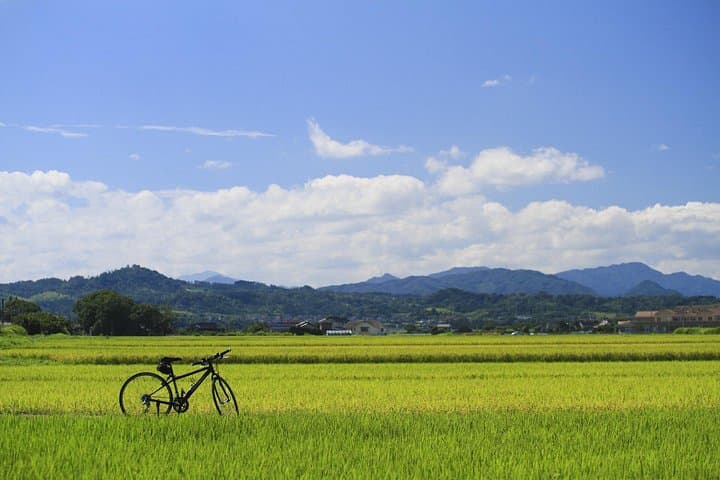
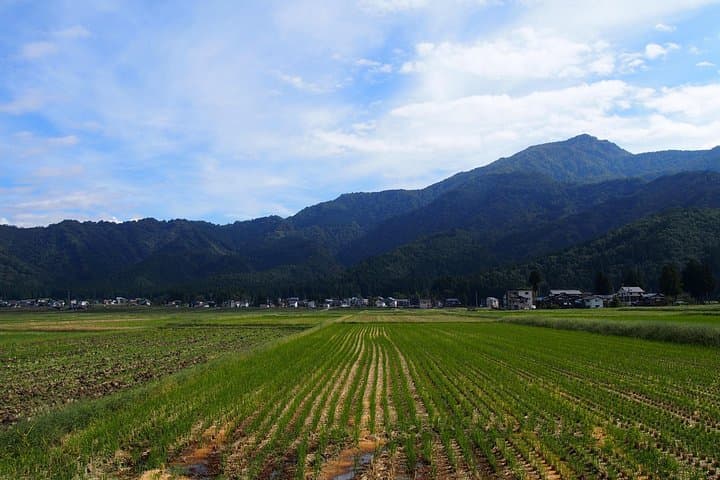

You step out where the foothills of Mt. Sakado slope into rice paddies and the Uono River threads silver through the valley. Morning mist lifts off irrigated fields; a gravel lane leads past low stone walls and wooden farmhouses, and the river dares you to follow its curve downstream.
You step out where the foothills of Mt. Sakado slope into rice paddies and the Uono River threads silver through the valley. Morning mist lifts off irrigated fields; a gravel lane leads past low stone walls and wooden farmhouses, and the river dares you to follow its curve downstream.
This stretch of Minami-Uonuma has fed communities for centuries: Koshihikari rice terraces claim much of the land, and nearby Untoan temple dates to the Muromachi period, a quiet reminder of the region’s layered past. Geologically, the area sits on riverine deposits carved from the Echigo mountains, producing fertile soils and mellow rolling terrain ideal for walking or easy cycling.
Culture here is agricultural and seasonal—spring green shoots, summer ayu fishing in the Uono, crisp autumn colors, and heavy snow in winter that reshapes routes. Local anglers still fish for sweetfish; you may see traditional wooden sluices and small irrigation channels that show centuries-old water management.
Practical guidance: routes are mostly flat to gently rolling on country roads and packed dirt; choose the short 3-hour loop or the full-day ride that includes village detours. Helmets and standard adult bicycles are provided; bring layered clothing, waterproofs, and cash for small temple donations or vending machines. Expect light traffic on rural lanes; mornings are coolest for cycling and late afternoon gives the best light for photos. Hydrate, keep to local speed limits, and leave no trace—these corridors are both working farmland and living habitat.