THE ADVENTURE COLLECTIVE® · Independent discovery and booking for outdoor travel

Walk the rain-streaked streets and riverside paths of Angel Meadow with author Dean Kirby and hear the untold stories of Manchester’s worst Victorian slum. This 90-minute tour mixes on-the-ground history, urban archaeology and local insight—perfect for history buffs and city walkers.
Walk the rain-streaked streets and riverside paths of Angel Meadow with author Dean Kirby and hear the untold stories of Manchester’s worst Victorian slum. This 90-minute tour mixes on-the-ground history, urban archaeology and local insight—perfect for history buffs and city walkers.
Wind whips off the River Irk as you step into Angel Meadow park, where grass gives way to brick and the city’s industrial past presses in on every side.
Verified experiences and guided adventures in the surrounding area.
Operated by Manchester History Tours · Manchester, Greater Manchester
Wind whips off the River Irk as you step into Angel Meadow park, where grass gives way to brick and the city’s industrial past presses in on every side.
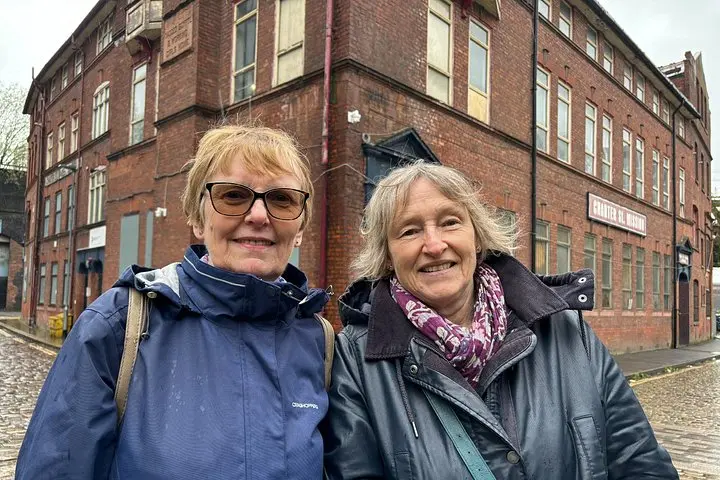
On Dean Kirby’s 90-minute walk you follow the riverbank and tree-lined paths, pausing at former cellar entrances, lodging-house sites and façades that still show the scars of rapid urban growth. The Irk, once a dumping ground for industrial waste, now pushes a quieter current through the floodplain, daring you to listen for stories in the stones beneath your boots.
Historically, Angel Meadow was one of Victorian Manchester’s most overcrowded districts; Friedrich Engels and contemporary reformers documented its gangs, lodging houses and desperate poverty. Geologically the area sits on alluvial deposits from the Irk, which shaped working-class settlement patterns and later parkland reclamation. Culturally, the tour highlights immigrant labor, local reform movements and the ways families adapted to industrial life.
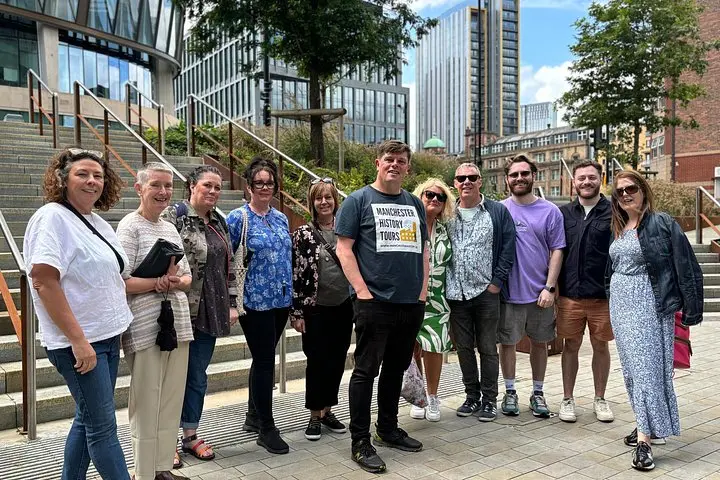
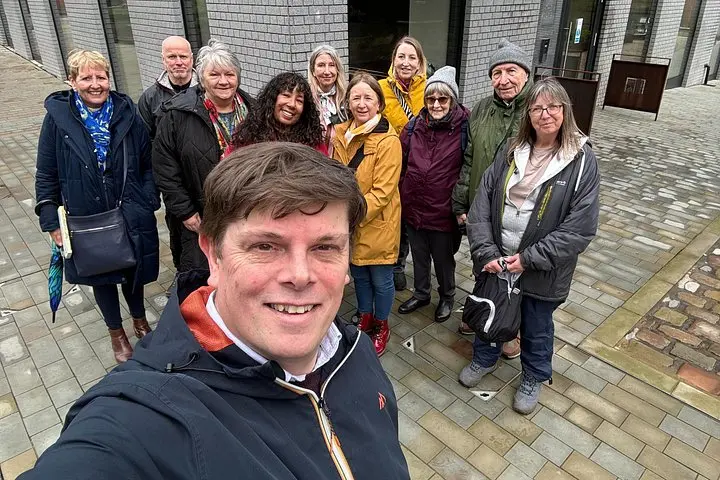
Expect close urban walking, periodic steps and stops for discussion and photography. The pace is deliberate: history told in situ rather than in a museum. Practical notes—bring rain protection, a camera, and sturdy shoes; the ground can be uneven after rain. Public transport links are nearby and the tour is small-group, making it easy to ask questions or have a book signed by the author.
This walk suits anyone curious about social history, urban change, and the material traces of the Industrial Revolution. Leave time afterwards for a nearby café or the Manchester Central library to follow up on names and places you encounter.
The meeting point is near Angel Meadow park beside the River Irk; confirmation email includes an exact meeting spot and public transport directions.
The walk is family-friendly but includes uneven ground and steps; guardians should assess mobility and stamina for young children and older adults.
Yes—bring a copy of his book and he will sign and dedicate it during the tour if time allows.
Tours are subject to cancellation in severe weather; light rain usually goes ahead so dress appropriately and check communications before leaving.
Manchester History Tours operates guided outdoor trips and adventures with an emphasis on safety, stewardship, and memorable experiences.
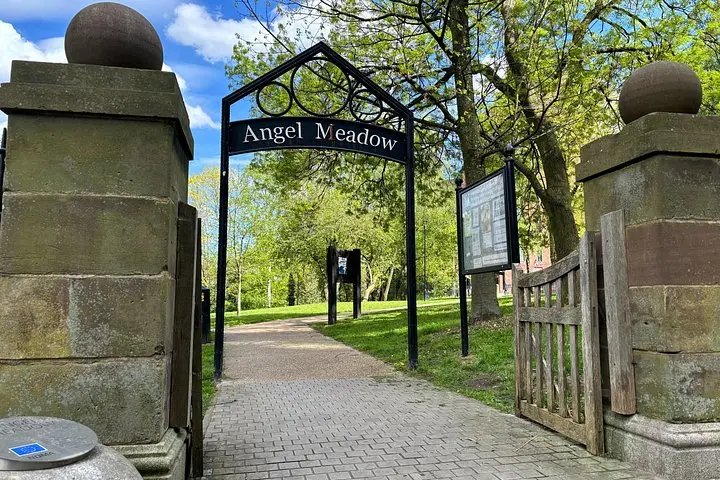
Wind whips off the River Irk as you step into Angel Meadow park, where grass gives way to brick and the city’s industrial past presses in on every side.
Wind whips off the River Irk as you step into Angel Meadow park, where grass gives way to brick and the city’s industrial past presses in on every side.
On Dean Kirby’s 90-minute walk you follow the riverbank and tree-lined paths, pausing at former cellar entrances, lodging-house sites and façades that still show the scars of rapid urban growth. The Irk, once a dumping ground for industrial waste, now pushes a quieter current through the floodplain, daring you to listen for stories in the stones beneath your boots.
Historically, Angel Meadow was one of Victorian Manchester’s most overcrowded districts; Friedrich Engels and contemporary reformers documented its gangs, lodging houses and desperate poverty. Geologically the area sits on alluvial deposits from the Irk, which shaped working-class settlement patterns and later parkland reclamation. Culturally, the tour highlights immigrant labor, local reform movements and the ways families adapted to industrial life.
Expect close urban walking, periodic steps and stops for discussion and photography. The pace is deliberate: history told in situ rather than in a museum. Practical notes—bring rain protection, a camera, and sturdy shoes; the ground can be uneven after rain. Public transport links are nearby and the tour is small-group, making it easy to ask questions or have a book signed by the author.
This walk suits anyone curious about social history, urban change, and the material traces of the Industrial Revolution. Leave time afterwards for a nearby café or the Manchester Central library to follow up on names and places you encounter.