THE ADVENTURE COLLECTIVE® · Independent discovery and booking for outdoor travel

Walk Boston’s Jewish Quarter with a licensed private guide: from Vilna Shul to the New England Holocaust Memorial, this 2-hour tour traces immigrant stories, architecture, and civic history across 1–1.5 miles. Expect thoughtful interpretation, uneven sidewalks, and tailored recommendations.
Walk Boston’s Jewish Quarter with a licensed private guide: from Vilna Shul to the New England Holocaust Memorial, this 2-hour tour traces immigrant stories, architecture, and civic history across 1–1.5 miles. Expect thoughtful interpretation, uneven sidewalks, and tailored recommendations.
The guide waits beneath the flat awning of Ma Maison, the city’s traffic and tide of commuters pressing around you as the first steps bring you into a different Boston — narrow streets, brick facades, and corners where stories pause and gather.
Verified experiences and guided adventures in the surrounding area.
Operated by New York City Tours · Boston, MA
The guide waits beneath the flat awning of Ma Maison, the city’s traffic and tide of commuters pressing around you as the first steps bring you into a different Boston — narrow streets, brick facades, and corners where stories pause and gather.
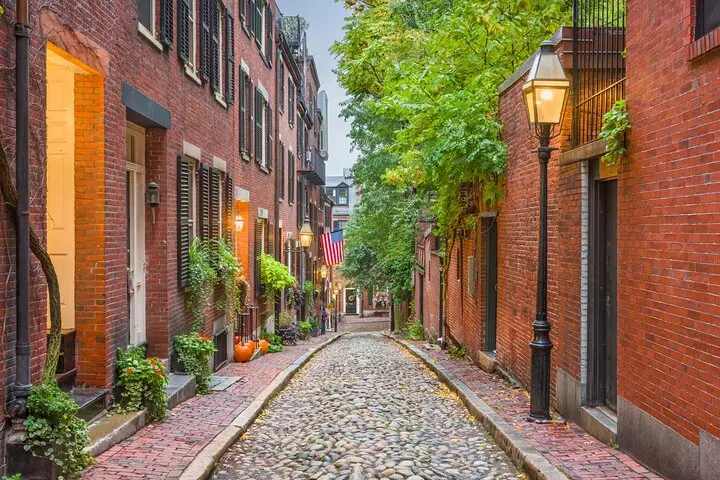
Over two hours you’ll move from the Vilna Shul’s carved Torah ark to the reflective glass towers of the New England Holocaust Memorial, tracing immigrant routes and civic shifts that shaped Jewish life in Boston. The city’s granite and brownstone record industrial growth and urban renewal; underfoot are cobbles and patched sidewalks that remember deliveries, demonstrations, and daily life.
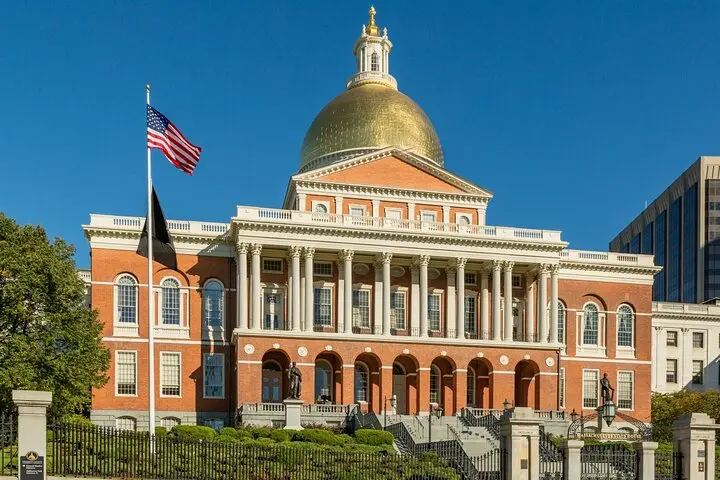
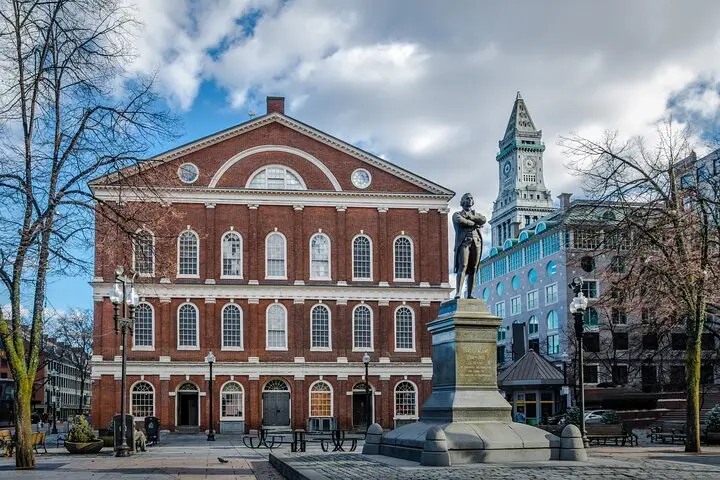
History here is tangible: 19th- and early-20th-century Eastern European arrivals, entrepreneurial neighborhoods around Faneuil Hall, and later waves who built institutions, congregations, and social services. Architecture ranges from modest immigrant-era synagogues to the classical lines of the State House; the Memorial’s steam and etched numbers bring a quieter, modern language of remembrance.
Expect a paced, interpretive walk of roughly 1–1.5 miles with uneven surfaces and a few steps. The guide will weave personal anecdotes, archival facts, and local recommendations for kosher and Jewish-interest sites afterward. Practical points: wear supportive footwear, bring a refillable water bottle, and plan for weather — tours run rain or shine.
This is an educational, reflective experience suitable for history lovers, families, and those seeking context for Boston’s cultural landscape. Small private groups mean questions shape the route, so consider what you want to explore beforehand — community memory, architecture, or family histories — and let the guide draw the map.
The private tour is approximately 120 minutes and covers about 1–1.5 miles at a relaxed pace with stops at several landmarks.
No—entrance tickets and any purchases are not included; the guide will note where fees apply and can advise on timing.
The operator lists the tour as wheelchair accessible, but there may be brief uneven surfaces—inform the operator of specific needs when booking.
Yes—private groups receive personalized attention and the guide can emphasize architecture, community history, or family research with advance notice.
New York City Tours operates guided outdoor trips and adventures with an emphasis on safety, stewardship, and memorable experiences.

The guide waits beneath the flat awning of Ma Maison, the city’s traffic and tide of commuters pressing around you as the first steps bring you into a different Boston — narrow streets, brick facades, and corners where stories pause and gather.
The guide waits beneath the flat awning of Ma Maison, the city’s traffic and tide of commuters pressing around you as the first steps bring you into a different Boston — narrow streets, brick facades, and corners where stories pause and gather.
Over two hours you’ll move from the Vilna Shul’s carved Torah ark to the reflective glass towers of the New England Holocaust Memorial, tracing immigrant routes and civic shifts that shaped Jewish life in Boston. The city’s granite and brownstone record industrial growth and urban renewal; underfoot are cobbles and patched sidewalks that remember deliveries, demonstrations, and daily life.
History here is tangible: 19th- and early-20th-century Eastern European arrivals, entrepreneurial neighborhoods around Faneuil Hall, and later waves who built institutions, congregations, and social services. Architecture ranges from modest immigrant-era synagogues to the classical lines of the State House; the Memorial’s steam and etched numbers bring a quieter, modern language of remembrance.
Expect a paced, interpretive walk of roughly 1–1.5 miles with uneven surfaces and a few steps. The guide will weave personal anecdotes, archival facts, and local recommendations for kosher and Jewish-interest sites afterward. Practical points: wear supportive footwear, bring a refillable water bottle, and plan for weather — tours run rain or shine.
This is an educational, reflective experience suitable for history lovers, families, and those seeking context for Boston’s cultural landscape. Small private groups mean questions shape the route, so consider what you want to explore beforehand — community memory, architecture, or family histories — and let the guide draw the map.