THE ADVENTURE COLLECTIVE® · Independent discovery and booking for outdoor travel

Explore Cusco on foot—four hours through Plaza de Armas, Qoricancha and nearby Inca outposts. Learn the city's layered history while getting practical tips for altitude, footing, and what’s included.
Explore Cusco on foot—four hours through Plaza de Armas, Qoricancha and nearby Inca outposts. Learn the city's layered history while getting practical tips for altitude, footing, and what’s included.
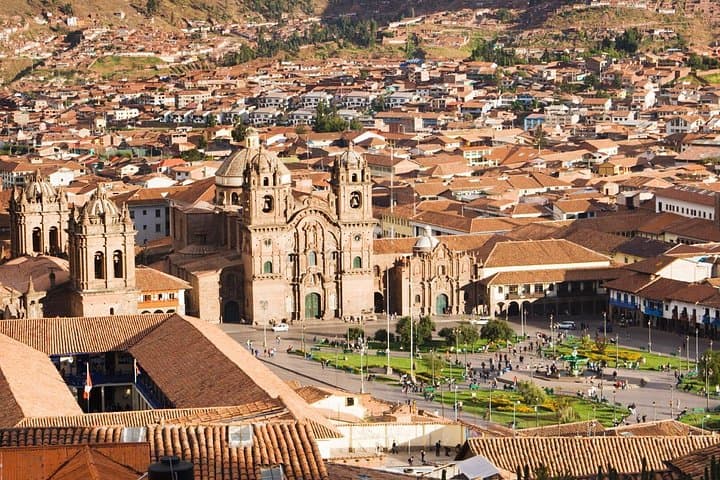
You step from a narrow cobbled street into a plaza where cathedral bells measure the day and the mountains press close—Cusco arrives as a city that still moves with Inca rhythms.
Verified experiences and guided adventures in the surrounding area.
Operated by Wayraq Peru · Cusco, Cusco
You step from a narrow cobbled street into a plaza where cathedral bells measure the day and the mountains press close—Cusco arrives as a city that still moves with Inca rhythms.
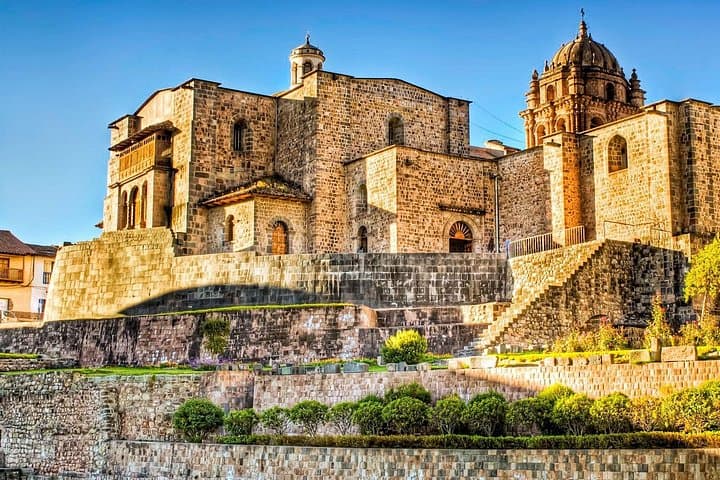
This four-hour walking tour threads colonial stone and pre-Columbian masonry: the Cathedral on Plaza de Armas houses ornate altars and paintings from the Cusco school, while the Qoricancha reveals how the Temple of the Sun was repurposed under Spanish rule. A short drive or walk reaches Tambomachay’s trickling channels, Puca Pucara’s red defensive stones and the carved chambers of Q’enqo, each site showing practical Inca engineering shaped by the Andes’ granite and seismic faults.
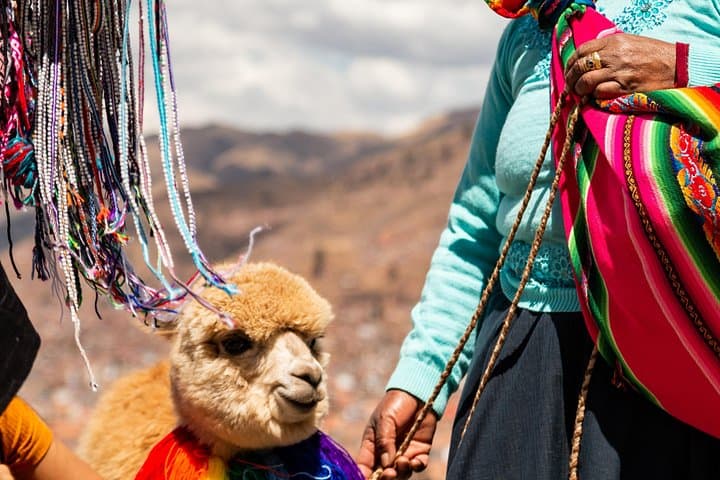
Culture here is layered—Quechua-speaking vendors at San Pedro Market, baroque churches painted with Andean iconography, and llamas grazing on nearby hills. The city’s altitude (3,400 m) shapes everything: mornings are brisk, afternoons can cloud quickly during the rainy season, and light is sharp on stone.
Practical guidance: allow the first day to acclimatize and keep your pace steady—there are stairs and uneven footing. Wear supportive walking shoes, bring 1–1.5 L of water, sun protection and a light windproof layer. Expect a local guide; some entrances are included (the Cathedral is listed) while others may require separate fees. Tours typically depart mid-morning for best light and quieter streets.
Timing your visit for the dry season makes archaeological sites easier to explore, but the rainy months intensify the Andean colors—either way, respect site rules, stay on marked paths and carry small change for market purchases.
Most tours meet in central Cusco (near Plaza de Armas); confirm pickup during booking as some operators offer hotel pickup for an extra fee.
The itinerary lists the Cathedral as included; other archaeological sites may require additional entrance fees or a Boleto Turístico for multiple sites.
Infants must sit on laps and infant seats may be available; the tour is generally suitable for children but involves stairs and uneven ground.
Guides commonly speak Spanish and English; verify language preference at booking to ensure availability.
Wayraq Peru operates guided outdoor trips and adventures with an emphasis on safety, stewardship, and memorable experiences.
You step from a narrow cobbled street into a plaza where cathedral bells measure the day and the mountains press close—Cusco arrives as a city that still moves with Inca rhythms.
You step from a narrow cobbled street into a plaza where cathedral bells measure the day and the mountains press close—Cusco arrives as a city that still moves with Inca rhythms.
This four-hour walking tour threads colonial stone and pre-Columbian masonry: the Cathedral on Plaza de Armas houses ornate altars and paintings from the Cusco school, while the Qoricancha reveals how the Temple of the Sun was repurposed under Spanish rule. A short drive or walk reaches Tambomachay’s trickling channels, Puca Pucara’s red defensive stones and the carved chambers of Q’enqo, each site showing practical Inca engineering shaped by the Andes’ granite and seismic faults.
Culture here is layered—Quechua-speaking vendors at San Pedro Market, baroque churches painted with Andean iconography, and llamas grazing on nearby hills. The city’s altitude (3,400 m) shapes everything: mornings are brisk, afternoons can cloud quickly during the rainy season, and light is sharp on stone.
Practical guidance: allow the first day to acclimatize and keep your pace steady—there are stairs and uneven footing. Wear supportive walking shoes, bring 1–1.5 L of water, sun protection and a light windproof layer. Expect a local guide; some entrances are included (the Cathedral is listed) while others may require separate fees. Tours typically depart mid-morning for best light and quieter streets.
Timing your visit for the dry season makes archaeological sites easier to explore, but the rainy months intensify the Andean colors—either way, respect site rules, stay on marked paths and carry small change for market purchases.