THE ADVENTURE COLLECTIVE® · Independent discovery and booking for outdoor travel

Step off a short ferry from Mykonos and into a compact ancient city where marble streets, a 6,500-seat theater and the sanctuary of Apollo remain for visitors to explore. This guided tour offers a focused, 4–5 hour walking experience across one of Greece’s most important archaeological islands.
Step off a short ferry from Mykonos and into a compact ancient city where marble streets, a 6,500-seat theater and the sanctuary of Apollo remain for visitors to explore. This guided tour offers a focused, 4–5 hour walking experience across one of Greece’s most important archaeological islands.
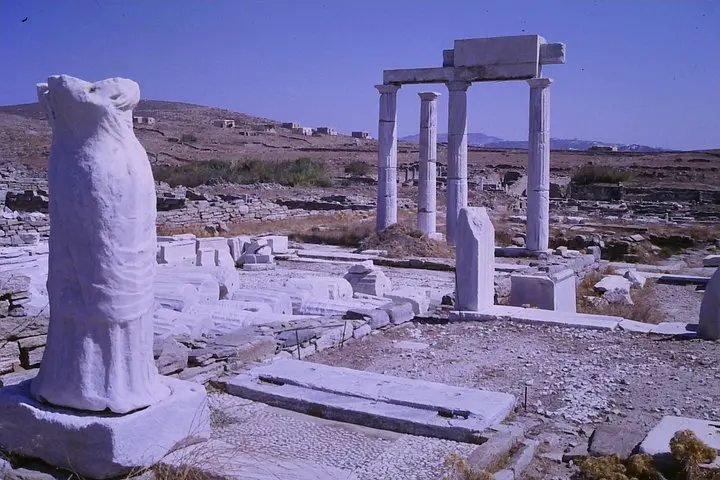
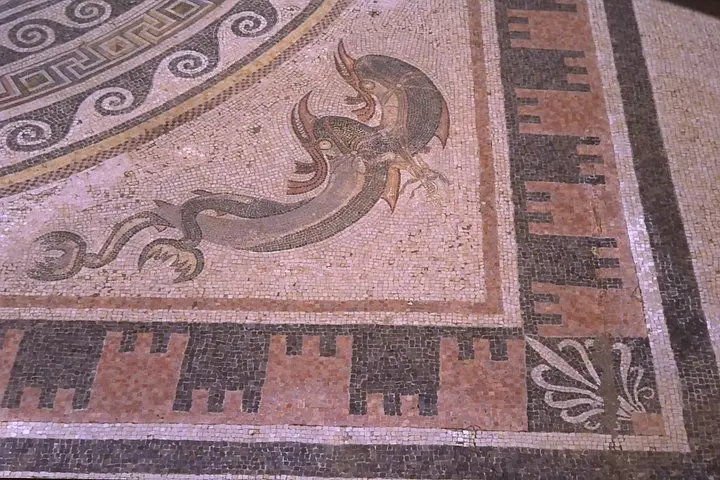
The ferry chops the Aegean like a page being turned and, five minutes after the quay falls away, Delos rises as a scatter of marble and sky. Sun on stone, wind that seems determined to keep you moving—this is not a place for dawdling. Your guide leads across mosaic thresholds and through colonnaded streets where voices from the past still seem to echo.
Verified experiences and guided adventures in the surrounding area.
Operated by Delos Private Tours · Mykonos, South Aegean
The ferry chops the Aegean like a page being turned and, five minutes after the quay falls away, Delos rises as a scatter of marble and sky. Sun on stone, wind that seems determined to keep you moving—this is not a place for dawdling. Your guide leads across mosaic thresholds and through colonnaded streets where voices from the past still seem to echo.
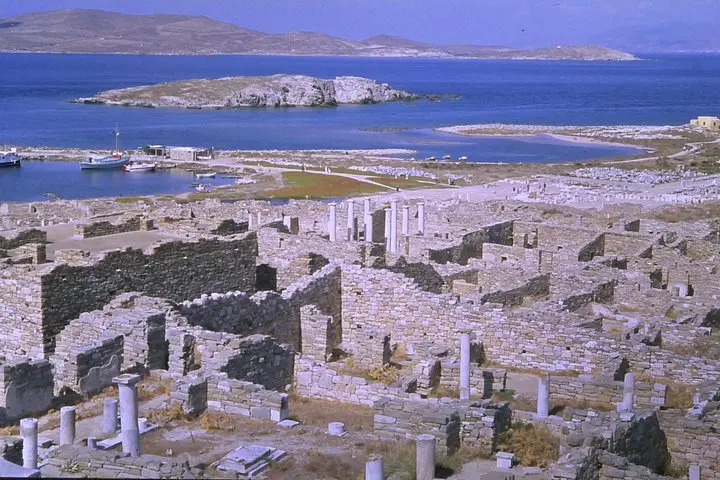
Delos served as a religious center, a bustling free-trade port and, controversially, a major slave market. Archaeological layers map a sequence from prehistoric occupation through Archaic, Classical Athenian influence and Roman prosperity. Geologically, Delos is low and rocky limestone—beds of exposed rock and shallow soils that concentrate ruins into compact stony terraces.
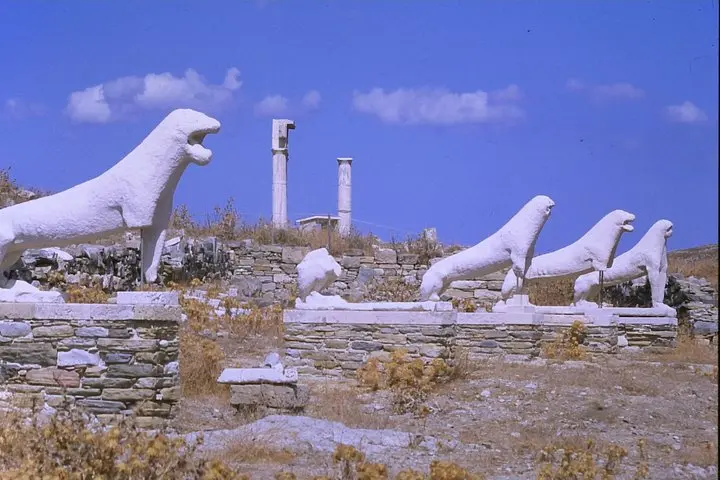
Culture here is literal: sanctuaries, the sanctuary of Apollo, the monumental Terrace of the Lions and a theater that once held 6,500. Less obvious are the domestic traces—houses with cisterns and paved streets that speak to sophisticated urban plumbing and mercantile life.
Practical guidance: the guided visit runs roughly 4–5 hours and involves continuous walking on uneven marble and packed earth with minimal shade and little elevation change. Expect exposed sun, strong winds, and stone that reflects heat. Bring 1–2 liters of water, sun protection, and sturdy shoes; mobility impairments will make access difficult. There are no eateries on the island and admission is typically separate from boat fare, so sort tickets from Mykonos in advance. Timing tours in shoulder seasons yields cooler temperatures and fewer crowds—Delos is fragile and best treated with care: stay on paths and respect site restrictions.
Expect about 4–5 hours total on the tour; that includes walking between major ruins and time for explanation at key sites.
Admission to the archaeological site is typically separate from the tour and ferry tickets are usually purchased from Mykonos—confirm inclusion when you book.
No—the island has uneven stone surfaces, steps and limited ramped access; the tour is not recommended for those with significant walking problems or wheelchairs.
There are virtually no services on Delos—pack snacks and water; planned breaks are limited, so eat beforehand or bring provisions.
Delos Private Tours operates guided outdoor trips and adventures with an emphasis on safety, stewardship, and memorable experiences.
The ferry chops the Aegean like a page being turned and, five minutes after the quay falls away, Delos rises as a scatter of marble and sky. Sun on stone, wind that seems determined to keep you moving—this is not a place for dawdling. Your guide leads across mosaic thresholds and through colonnaded streets where voices from the past still seem to echo.
The ferry chops the Aegean like a page being turned and, five minutes after the quay falls away, Delos rises as a scatter of marble and sky. Sun on stone, wind that seems determined to keep you moving—this is not a place for dawdling. Your guide leads across mosaic thresholds and through colonnaded streets where voices from the past still seem to echo.
Delos served as a religious center, a bustling free-trade port and, controversially, a major slave market. Archaeological layers map a sequence from prehistoric occupation through Archaic, Classical Athenian influence and Roman prosperity. Geologically, Delos is low and rocky limestone—beds of exposed rock and shallow soils that concentrate ruins into compact stony terraces.
Culture here is literal: sanctuaries, the sanctuary of Apollo, the monumental Terrace of the Lions and a theater that once held 6,500. Less obvious are the domestic traces—houses with cisterns and paved streets that speak to sophisticated urban plumbing and mercantile life.
Practical guidance: the guided visit runs roughly 4–5 hours and involves continuous walking on uneven marble and packed earth with minimal shade and little elevation change. Expect exposed sun, strong winds, and stone that reflects heat. Bring 1–2 liters of water, sun protection, and sturdy shoes; mobility impairments will make access difficult. There are no eateries on the island and admission is typically separate from boat fare, so sort tickets from Mykonos in advance. Timing tours in shoulder seasons yields cooler temperatures and fewer crowds—Delos is fragile and best treated with care: stay on paths and respect site restrictions.