THE ADVENTURE COLLECTIVE® · Independent discovery and booking for outdoor travel

Join anthropologist Dr. Fraser Macdonald for a focused two-hour walk through Dresden’s 700-year urban story. From the Elbe’s prehistoric camps to Baroque grandiosity and wartime loss, this accessible tour connects places with the events that shaped them.
Join anthropologist Dr. Fraser Macdonald for a focused two-hour walk through Dresden’s 700-year urban story. From the Elbe’s prehistoric camps to Baroque grandiosity and wartime loss, this accessible tour connects places with the events that shaped them.
Stand on the gravel banks of the Elbe and the city unfolds: low river mist lifts to reveal the silhouette of Augustus Bridge, the Frauenkirche dome catching morning light, and cobbled lanes that still follow medieval lines.
Verified experiences and guided adventures in the surrounding area.
Operated by Fraser Macdonald · Dresden, Saxony
Stand on the gravel banks of the Elbe and the city unfolds: low river mist lifts to reveal the silhouette of Augustus Bridge, the Frauenkirche dome catching morning light, and cobbled lanes that still follow medieval lines.
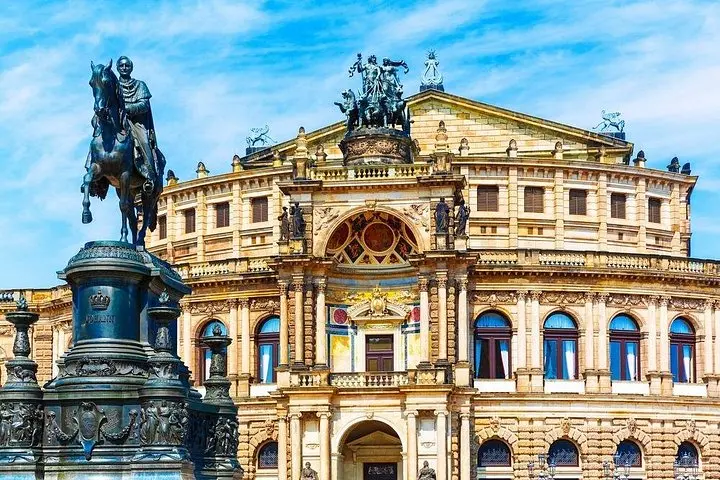
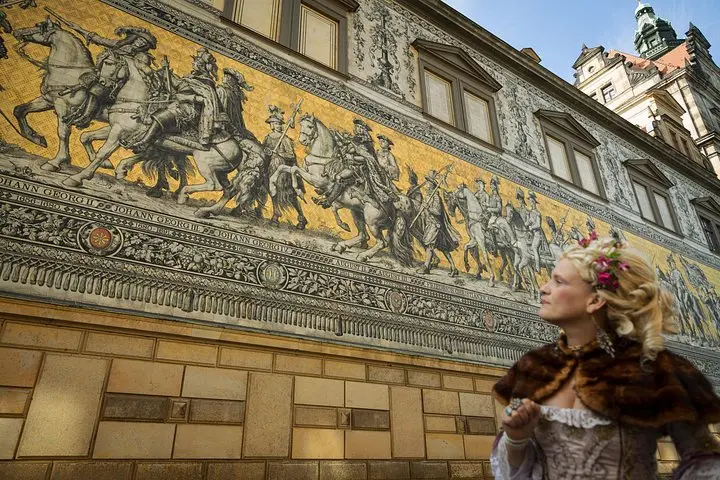
Dr. Fraser Macdonald guides a two-hour walk that reads the city like a layered map — from Paleolithic river camps in the Elbe Valley to a small fishing settlement, then to a princely capital in the Holy Roman Empire and the crucible of Reformation-era change. The tour moves through Altendresden and across Augustus Bridge into the Altstadt, pausing at churches and the Residenzschloss to unpack centuries of religious, political, and architectural upheaval. Expect close attention to material remains — church ruins, rebuilt facades, and the scars left by war and reconstruction.
Geologically the Elbe corridor shaped settlement patterns; culturally, Dresden’s rise reflected Saxon court wealth and baroque ambition. The Frauenkirche and Residenzschloss anchor stories of destruction and careful restoration, while smaller monastery sites illuminate everyday medieval life.
Practically: the route is flat, mostly paved, and accessible by tram and S-Bahn—wear comfortable shoes and bring a light layer for riverside breezes. Tours typically begin near the riverbank and avoid interior museum entries, so allow extra time if you want to visit buildings mentioned. Summer mornings and late afternoons give the best light for photos; quieter midweek slots make listening easier. This is a history walk for curious travelers who want context as much as sightseeing.
Yes — the route is flat and wheelchair accessible, though some historic surfaces are cobbled; contact the operator ahead for specific assistance needs.
No — the tour focuses on exterior history and context; participants are free to enter museums or towers independently after the walk.
Shared tours cap at around 30 participants, offering an intimate but social experience.
This specific listing is conducted in English; check the operator’s page for other language options.
Fraser Macdonald operates guided outdoor trips and adventures with an emphasis on safety, stewardship, and memorable experiences.
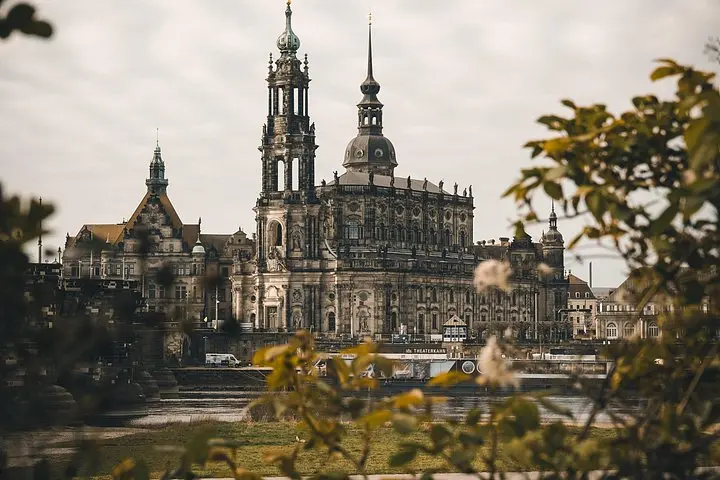
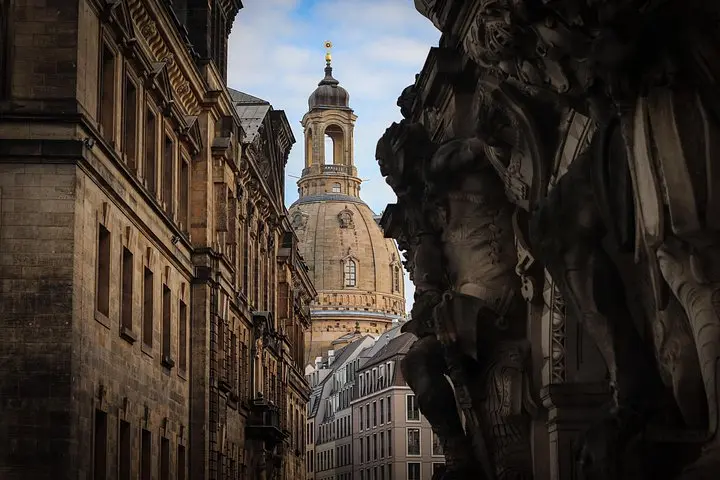
Stand on the gravel banks of the Elbe and the city unfolds: low river mist lifts to reveal the silhouette of Augustus Bridge, the Frauenkirche dome catching morning light, and cobbled lanes that still follow medieval lines.
Stand on the gravel banks of the Elbe and the city unfolds: low river mist lifts to reveal the silhouette of Augustus Bridge, the Frauenkirche dome catching morning light, and cobbled lanes that still follow medieval lines.
Dr. Fraser Macdonald guides a two-hour walk that reads the city like a layered map — from Paleolithic river camps in the Elbe Valley to a small fishing settlement, then to a princely capital in the Holy Roman Empire and the crucible of Reformation-era change. The tour moves through Altendresden and across Augustus Bridge into the Altstadt, pausing at churches and the Residenzschloss to unpack centuries of religious, political, and architectural upheaval. Expect close attention to material remains — church ruins, rebuilt facades, and the scars left by war and reconstruction.
Geologically the Elbe corridor shaped settlement patterns; culturally, Dresden’s rise reflected Saxon court wealth and baroque ambition. The Frauenkirche and Residenzschloss anchor stories of destruction and careful restoration, while smaller monastery sites illuminate everyday medieval life.
Practically: the route is flat, mostly paved, and accessible by tram and S-Bahn—wear comfortable shoes and bring a light layer for riverside breezes. Tours typically begin near the riverbank and avoid interior museum entries, so allow extra time if you want to visit buildings mentioned. Summer mornings and late afternoons give the best light for photos; quieter midweek slots make listening easier. This is a history walk for curious travelers who want context as much as sightseeing.