THE ADVENTURE COLLECTIVE® · Independent discovery and booking for outdoor travel

Walk Center Street and hear living eyewitness accounts of Birmingham’s Dynamite Hill — a neighborhood that resisted bombings, redlining and displacement. This 1–2 hour guided tour pairs local testimony with neighborhood history and clear, practical advice for visitors.
Walk Center Street and hear living eyewitness accounts of Birmingham’s Dynamite Hill — a neighborhood that resisted bombings, redlining and displacement. This 1–2 hour guided tour pairs local testimony with neighborhood history and clear, practical advice for visitors.
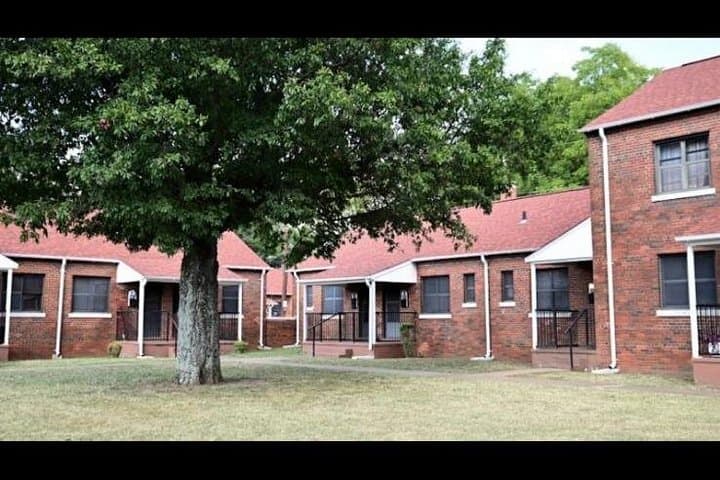
You start at the church steps of Our Lady Queen of the Universe, the morning sun sliding across brick sidewalks and row houses that have watched decades of change.
Verified experiences and guided adventures in the surrounding area.
Operated by Freedom Line Tours · Birmingham, Alabama
You start at the church steps of Our Lady Queen of the Universe, the morning sun sliding across brick sidewalks and row houses that have watched decades of change.
The walk threads Center Street and nearby Smithfield streets where residents once faced bombing, eviction and systemic redlining — reasons the neighborhood earned the name Dynamite Hill. Guides are often local residents or historians who share first-person memories and neighborhood lore: stories of strategy meetings in living rooms, the role of local Black professionals who challenged segregation, and the community tactics that kept families in place through violent intimidation.
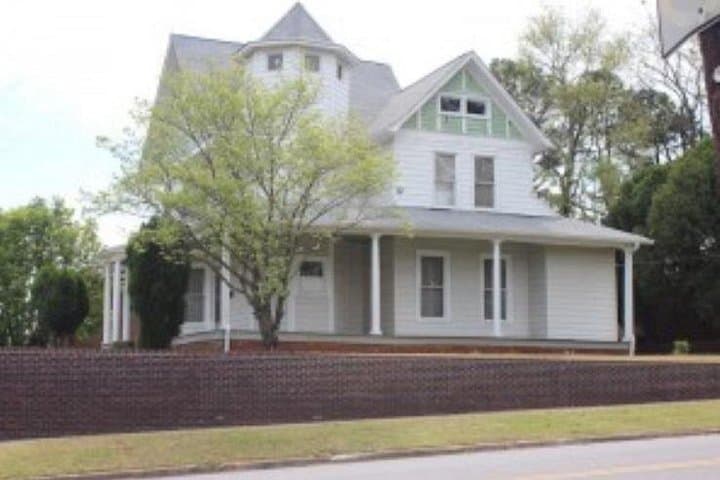
Geology and city form play a quiet part: central Alabama’s low ridges and red clay shaped street grids and lot lines, while the built environment — shotgun houses, modest bungalows, a historic African American Catholic church — tells class and cultural lines of the mid-20th century.
This walk moves at a reflective pace: expect 1–2 hours on paved streets with brief stops at marked homes and memorial sites. It’s primarily an interpretive, cultural tour focused on civil-rights era activism, neighborhood change and contemporary conversations about gentrification and preservation.
Practical guidance: arrive 15 minutes early, bring water and sunscreen, and wear sturdy walking shoes. Public transit and street parking are options; the route is stroller-accessible but includes some uneven sidewalks. The tour is best in the morning or late afternoon to avoid summer heat and to allow unhurried conversation at stops.
The tour runs approximately 60–120 minutes depending on group pace and discussion at stops.
The route is mostly on paved sidewalks and is stroller-accessible, but some areas have uneven pavement and short curbs; contact the operator if you need assistance.
No — the tour focuses on exterior stops and street stories with guide-led interpretation; interior visits are not included.
Yes — Birmingham’s bus network and local rideshares can get you near Center Street; plan for a short walk to the church meeting point.
Freedom Line Tours operates guided outdoor trips and adventures with an emphasis on safety, stewardship, and memorable experiences.
You start at the church steps of Our Lady Queen of the Universe, the morning sun sliding across brick sidewalks and row houses that have watched decades of change.
You start at the church steps of Our Lady Queen of the Universe, the morning sun sliding across brick sidewalks and row houses that have watched decades of change.
The walk threads Center Street and nearby Smithfield streets where residents once faced bombing, eviction and systemic redlining — reasons the neighborhood earned the name Dynamite Hill. Guides are often local residents or historians who share first-person memories and neighborhood lore: stories of strategy meetings in living rooms, the role of local Black professionals who challenged segregation, and the community tactics that kept families in place through violent intimidation.
Geology and city form play a quiet part: central Alabama’s low ridges and red clay shaped street grids and lot lines, while the built environment — shotgun houses, modest bungalows, a historic African American Catholic church — tells class and cultural lines of the mid-20th century.
This walk moves at a reflective pace: expect 1–2 hours on paved streets with brief stops at marked homes and memorial sites. It’s primarily an interpretive, cultural tour focused on civil-rights era activism, neighborhood change and contemporary conversations about gentrification and preservation.
Practical guidance: arrive 15 minutes early, bring water and sunscreen, and wear sturdy walking shoes. Public transit and street parking are options; the route is stroller-accessible but includes some uneven sidewalks. The tour is best in the morning or late afternoon to avoid summer heat and to allow unhurried conversation at stops.