THE ADVENTURE COLLECTIVE® · Independent discovery and booking for outdoor travel

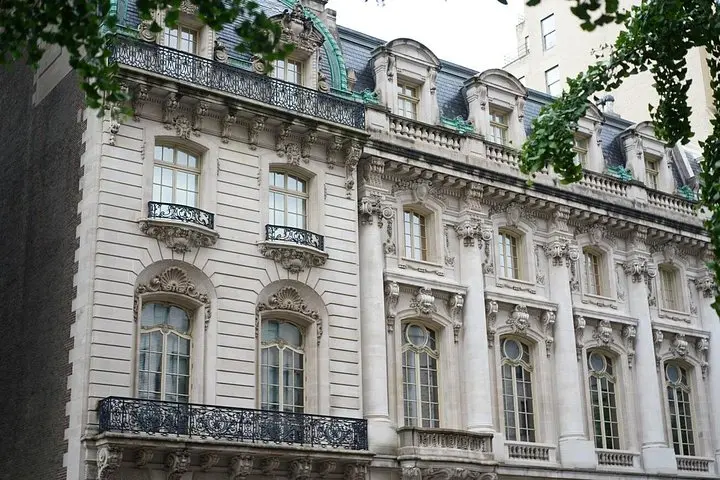
Stroll two hours along Fifth Avenue with a local guide and ear pieces, tracing the architecture and outrageous stories of New York’s Gilded Age. See the Frick’s secrets, a hidden bookshop, and some of the last single‑residence mansions while learning practical tips for navigating the avenue.
Stroll two hours along Fifth Avenue with a local guide and ear pieces, tracing the architecture and outrageous stories of New York’s Gilded Age. See the Frick’s secrets, a hidden bookshop, and some of the last single‑residence mansions while learning practical tips for navigating the avenue.
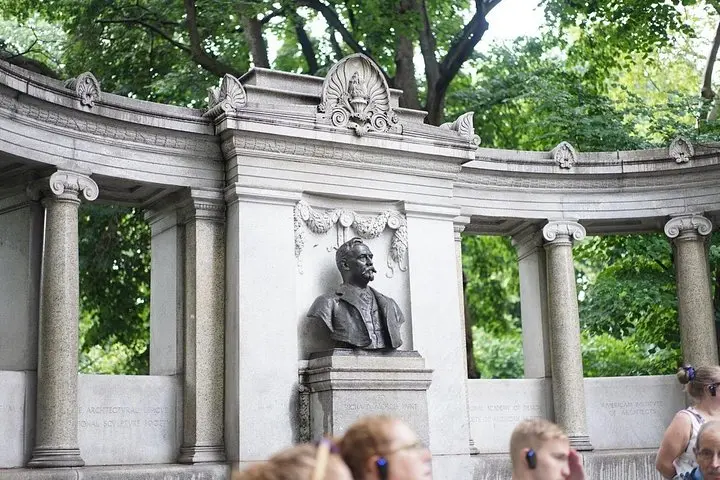
On Fifth Avenue between 59th and 79th Street the city changes pace: stone façades rise like private stages and the boulevard hums with the footfall of decades. The tour begins at the gilded Sherman statue by Grand Army Plaza, where a guide sketches the outline of an era—soaring marble, private courtyards, and the footprints of fortunes that remade Manhattan.
Verified experiences and guided adventures in the surrounding area.
Operated by Untapped New York · New York, NY
On Fifth Avenue between 59th and 79th Street the city changes pace: stone façades rise like private stages and the boulevard hums with the footfall of decades. The tour begins at the gilded Sherman statue by Grand Army Plaza, where a guide sketches the outline of an era—soaring marble, private courtyards, and the footprints of fortunes that remade Manhattan.
This stretch of Fifth Avenue became the axis of Gilded Age ambition in the late 19th and early 20th centuries, when financiers and industrialists turned the avenue into a row of palaces. Geologically the route sits atop the Manhattan schist band that allowed architects to build higher; culturally it threads museums, private collections, and a handful of remaining single-family mansions. Visitors hear stories of art acquisitions, scandal, and the transformation of private homes into public institutions like the Frick Collection.
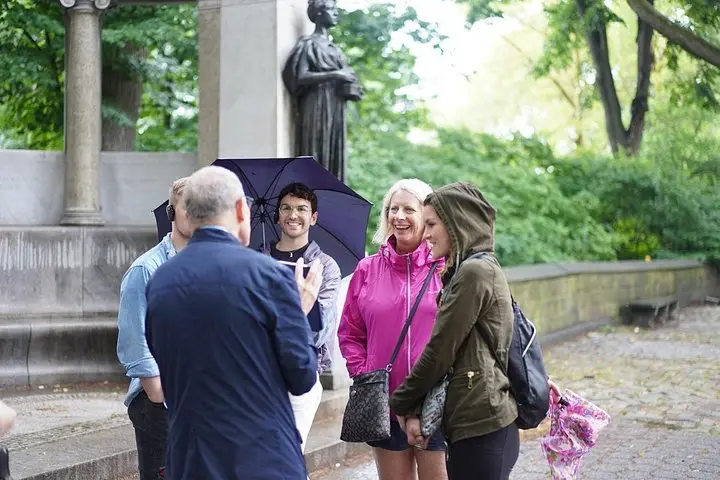
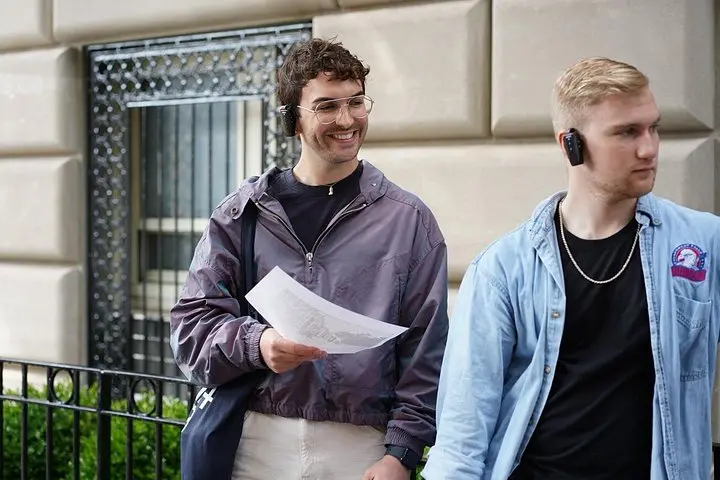
Practical guidance follows the history: the walk covers roughly 1.5–2 miles of mostly flat, paved sidewalks with multiple short stops at façades and points of interest. The guide provides earpieces so groups can hear commentary even amid traffic noise. Expect a moderate city pace—frequent stops for photos and explanations, little elevation, and a mix of sunny avenue exposure and shaded blocks near Central Park.
Bring comfortable shoes, a transit card or phone for short hops, and a compact layer for wind off the park. Midday tours can be busy; morning or late afternoon slots offer softer light for photographing stonework and garden courts. The experience is as much about architecture and social history as it is about walking the avenue where New York’s wealthy rewrote the skyline.
Yes. The route uses paved sidewalks and the operator notes the tour is wheelchair and stroller accessible; contact the provider for specific assistance needs.
No. This is a walking tour focused on façades and history; entrance fees to museums are not included unless explicitly stated by the operator.
Meet at the General Sherman equestrian statue on Fifth Avenue between 59th and 60th Streets; arrive 10–15 minutes early to check in and get earpieces.
Full refunds are available if you cancel at least 24 hours before the scheduled departure time; check your booking confirmation for specifics.
Untapped New York operates guided outdoor trips and adventures with an emphasis on safety, stewardship, and memorable experiences.
On Fifth Avenue between 59th and 79th Street the city changes pace: stone façades rise like private stages and the boulevard hums with the footfall of decades. The tour begins at the gilded Sherman statue by Grand Army Plaza, where a guide sketches the outline of an era—soaring marble, private courtyards, and the footprints of fortunes that remade Manhattan.
On Fifth Avenue between 59th and 79th Street the city changes pace: stone façades rise like private stages and the boulevard hums with the footfall of decades. The tour begins at the gilded Sherman statue by Grand Army Plaza, where a guide sketches the outline of an era—soaring marble, private courtyards, and the footprints of fortunes that remade Manhattan.
This stretch of Fifth Avenue became the axis of Gilded Age ambition in the late 19th and early 20th centuries, when financiers and industrialists turned the avenue into a row of palaces. Geologically the route sits atop the Manhattan schist band that allowed architects to build higher; culturally it threads museums, private collections, and a handful of remaining single-family mansions. Visitors hear stories of art acquisitions, scandal, and the transformation of private homes into public institutions like the Frick Collection.
Practical guidance follows the history: the walk covers roughly 1.5–2 miles of mostly flat, paved sidewalks with multiple short stops at façades and points of interest. The guide provides earpieces so groups can hear commentary even amid traffic noise. Expect a moderate city pace—frequent stops for photos and explanations, little elevation, and a mix of sunny avenue exposure and shaded blocks near Central Park.
Bring comfortable shoes, a transit card or phone for short hops, and a compact layer for wind off the park. Midday tours can be busy; morning or late afternoon slots offer softer light for photographing stonework and garden courts. The experience is as much about architecture and social history as it is about walking the avenue where New York’s wealthy rewrote the skyline.