THE ADVENTURE COLLECTIVE® · Independent discovery and booking for outdoor travel

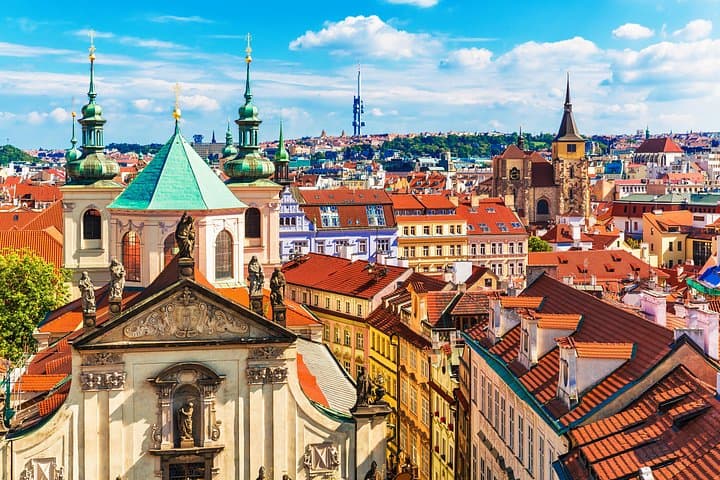
Traverse Josefov’s compact streets, visit preserved synagogues, and stand between leaning tombstones at the Old Jewish Cemetery on this three-hour walking tour of Jewish Prague with admissions included. Learn architectural and cultural history while moving from Wenceslas Square to Old Town Square.
Traverse Josefov’s compact streets, visit preserved synagogues, and stand between leaning tombstones at the Old Jewish Cemetery on this three-hour walking tour of Jewish Prague with admissions included. Learn architectural and cultural history while moving from Wenceslas Square to Old Town Square.
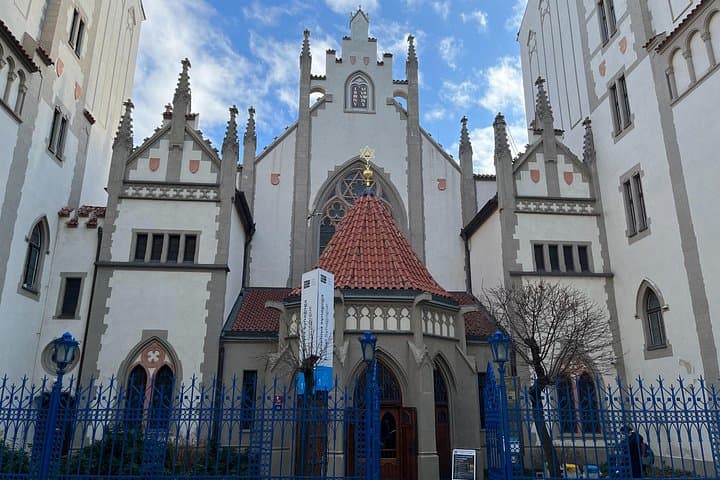
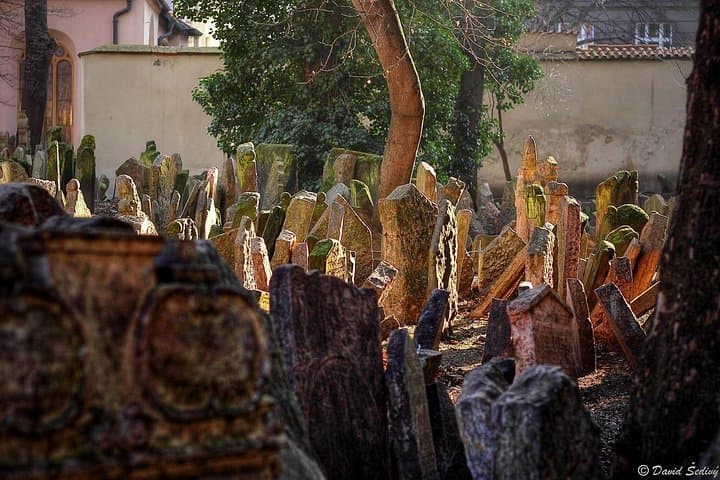
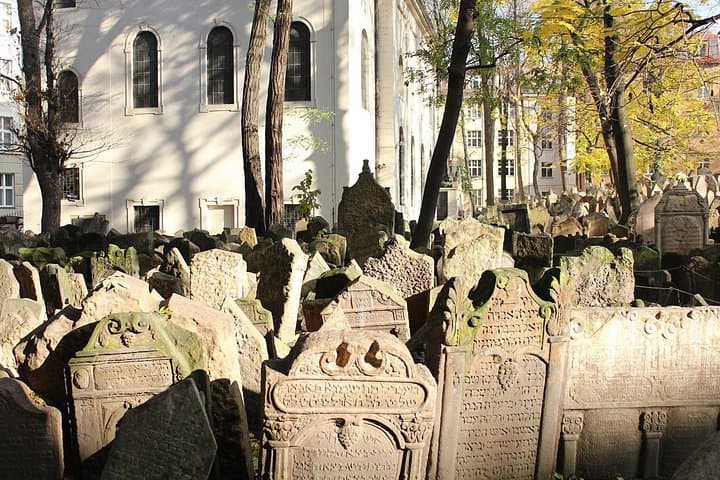
Cobblestones click underfoot as the tour moves from the broad sweep of Wenceslas Square into Josefov’s tighter grid, where narrow lanes press ancient buildings together and light slices between ornamented facades. The guide leads the group past the house associated with Franz Kafka, then through a cluster of preserved synagogues — Spanish, Pinkas, Klausen and others — each room carrying a different voice of Jewish life and loss. The Old Jewish Cemetery arrives as a pause: uneven tombstones leaning like pages of a weathered book, inscriptions in Hebrew and Yiddish that map family lines and centuries.
Verified experiences and guided adventures in the surrounding area.
Operated by BEST TOUR · Prague, Prague
Cobblestones click underfoot as the tour moves from the broad sweep of Wenceslas Square into Josefov’s tighter grid, where narrow lanes press ancient buildings together and light slices between ornamented facades. The guide leads the group past the house associated with Franz Kafka, then through a cluster of preserved synagogues — Spanish, Pinkas, Klausen and others — each room carrying a different voice of Jewish life and loss. The Old Jewish Cemetery arrives as a pause: uneven tombstones leaning like pages of a weathered book, inscriptions in Hebrew and Yiddish that map family lines and centuries.
Josefov is unique in Central Europe because much of its prewar urban fabric survived wartime demolition and postwar clearance, leaving a concentration of 16th–19th century religious architecture. The Spanish Synagogue showcases Moorish Revival detail; Pinkas records Holocaust victims, turning walls into memory. Geologically, the area sits on the Vltava’s floodplain terraces, which shaped the city’s medieval street plan and contributes to the compact, walkable blocks you’ll navigate.
Practical guidance: wear comfortable shoes for uneven stones and narrow staircases inside museums. Expect multiple short indoor admissions and some standing; bring a small daypack for water and a rain layer. Photography rules vary — follow signs in synagogues and exhibit rooms. Tours typically last three hours and end at Old Town Square, leaving time to explore surrounding cafés or cross the river for a longer city walk. Arrive early in high season to avoid crowds and carry identification for museum admissions.
Tours typically start near Wenceslas Square and end at Old Town Square, providing easy access to public transport and surrounding attractions.
Yes; the tour price includes admissions to the listed synagogues and the Old Jewish Cemetery as noted in the itinerary.
The walk is family-friendly, but narrow lanes, steps and crowded interiors make strollers impractical—infants on laps are often required.
Large bags may be restricted in some synagogues and museum spaces; bring a small daypack and be prepared to check larger items if requested.
BEST TOUR operates guided outdoor trips and adventures with an emphasis on safety, stewardship, and memorable experiences.
Cobblestones click underfoot as the tour moves from the broad sweep of Wenceslas Square into Josefov’s tighter grid, where narrow lanes press ancient buildings together and light slices between ornamented facades. The guide leads the group past the house associated with Franz Kafka, then through a cluster of preserved synagogues — Spanish, Pinkas, Klausen and others — each room carrying a different voice of Jewish life and loss. The Old Jewish Cemetery arrives as a pause: uneven tombstones leaning like pages of a weathered book, inscriptions in Hebrew and Yiddish that map family lines and centuries.
Cobblestones click underfoot as the tour moves from the broad sweep of Wenceslas Square into Josefov’s tighter grid, where narrow lanes press ancient buildings together and light slices between ornamented facades. The guide leads the group past the house associated with Franz Kafka, then through a cluster of preserved synagogues — Spanish, Pinkas, Klausen and others — each room carrying a different voice of Jewish life and loss. The Old Jewish Cemetery arrives as a pause: uneven tombstones leaning like pages of a weathered book, inscriptions in Hebrew and Yiddish that map family lines and centuries.
Josefov is unique in Central Europe because much of its prewar urban fabric survived wartime demolition and postwar clearance, leaving a concentration of 16th–19th century religious architecture. The Spanish Synagogue showcases Moorish Revival detail; Pinkas records Holocaust victims, turning walls into memory. Geologically, the area sits on the Vltava’s floodplain terraces, which shaped the city’s medieval street plan and contributes to the compact, walkable blocks you’ll navigate.
Practical guidance: wear comfortable shoes for uneven stones and narrow staircases inside museums. Expect multiple short indoor admissions and some standing; bring a small daypack for water and a rain layer. Photography rules vary — follow signs in synagogues and exhibit rooms. Tours typically last three hours and end at Old Town Square, leaving time to explore surrounding cafés or cross the river for a longer city walk. Arrive early in high season to avoid crowds and carry identification for museum admissions.