THE ADVENTURE COLLECTIVE® · Independent discovery and booking for outdoor travel

Explore Kathmandu on foot with local guides who lead you through Durbar Square, Asan market and the Swayambhunath stupa. Expect centuries-old temples, crowded bazaars, and a 5–6 hour walk across the valley’s cultural core.
Explore Kathmandu on foot with local guides who lead you through Durbar Square, Asan market and the Swayambhunath stupa. Expect centuries-old temples, crowded bazaars, and a 5–6 hour walk across the valley’s cultural core.
You step off Thamel’s narrow lane into a crush of color: stalls stacked with chilies and brassware, the scent of frying lentils and incense threading between people. The city hums under your feet; prayer flags ripple above a brick alley, and the stone courtyard of Durbar Square waits, worn by centuries of footsteps.
Verified experiences and guided adventures in the surrounding area.
Operated by Breakfree Adventures Pvt. Ltd. · Kathmandu, Bagmati Province
You step off Thamel’s narrow lane into a crush of color: stalls stacked with chilies and brassware, the scent of frying lentils and incense threading between people. The city hums under your feet; prayer flags ripple above a brick alley, and the stone courtyard of Durbar Square waits, worn by centuries of footsteps.
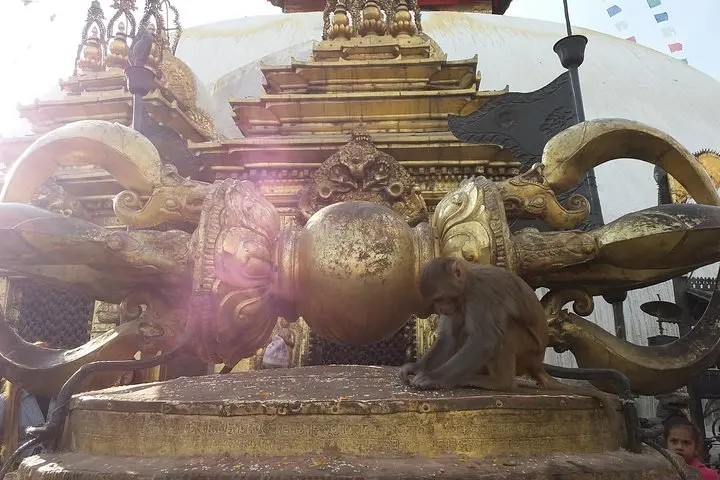
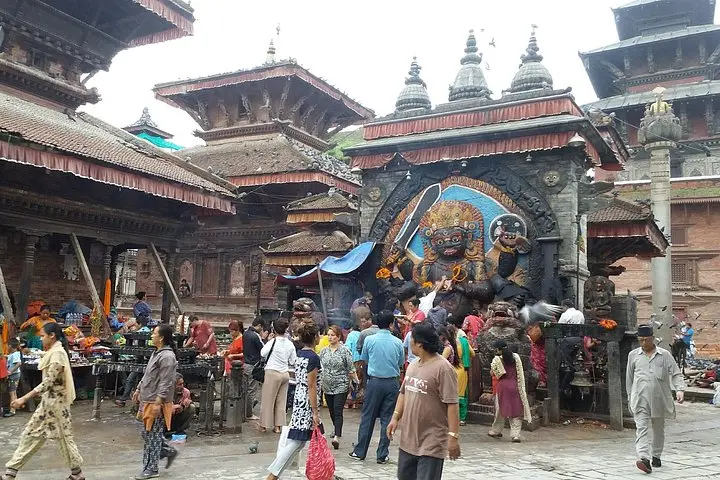
Durbar Square was the royal seat for Nepalese kings, its carved wooden windows and tiered temples built between the Malla period and later centuries. A short climb to Swayambhunath—the Monkey Temple—reveals a stupa crowned with painted eyes that watch the valley. Geologically, the Kathmandu Valley sits in an uplifted basin ringed by the Himalaya’s foothills; the stone and brick here are part of long tectonic histories that shaped trade routes and craft traditions.
The tour threads through Asan market and Indra Chowk, where spices, bangles, and ritual items define daily life; local guides explain Newari festivals, the Kumari tradition, and how courtyards double as living rooms and shrines. Monkeys claim the hill like mischievous landlords; pigeons turn plazas into moving gray tapestries.
Practical guidance: allow five to six hours, wear shoes for cobbled lanes and temple steps, carry cash for small purchases and temple donations, and bring a refillable water bottle—the city’s tap water isn’t potable. Mornings are cooler and quieter; late afternoon brings golden light on carved facades.
Respect temple protocols—remove shoes where required, cover shoulders, and ask before photographing worshippers. This is an urban walk that moves at the city’s pace: curious, cluttered, and vividly alive.
No, admissions are not included; you will pay local site entry fees on arrival where applicable.
Pick up is available from Thamel and surrounding areas as noted—confirm your exact pickup point when booking.
Yes; the tour is rated easy and suitable for most ages, though there is walking and some stair climbs at Swayambhunath.
Photography rules vary—always ask before photographing people during rituals and follow signs; some areas prohibit photos.
Breakfree Adventures Pvt. Ltd. operates guided outdoor trips and adventures with an emphasis on safety, stewardship, and memorable experiences.
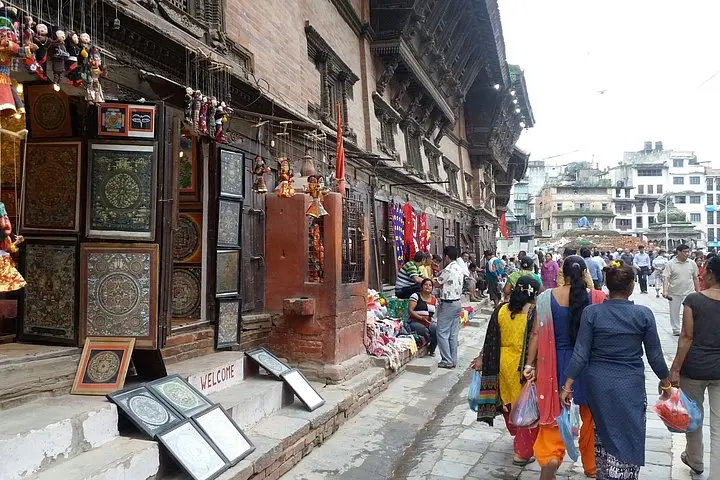
You step off Thamel’s narrow lane into a crush of color: stalls stacked with chilies and brassware, the scent of frying lentils and incense threading between people. The city hums under your feet; prayer flags ripple above a brick alley, and the stone courtyard of Durbar Square waits, worn by centuries of footsteps.
You step off Thamel’s narrow lane into a crush of color: stalls stacked with chilies and brassware, the scent of frying lentils and incense threading between people. The city hums under your feet; prayer flags ripple above a brick alley, and the stone courtyard of Durbar Square waits, worn by centuries of footsteps.
Durbar Square was the royal seat for Nepalese kings, its carved wooden windows and tiered temples built between the Malla period and later centuries. A short climb to Swayambhunath—the Monkey Temple—reveals a stupa crowned with painted eyes that watch the valley. Geologically, the Kathmandu Valley sits in an uplifted basin ringed by the Himalaya’s foothills; the stone and brick here are part of long tectonic histories that shaped trade routes and craft traditions.
The tour threads through Asan market and Indra Chowk, where spices, bangles, and ritual items define daily life; local guides explain Newari festivals, the Kumari tradition, and how courtyards double as living rooms and shrines. Monkeys claim the hill like mischievous landlords; pigeons turn plazas into moving gray tapestries.
Practical guidance: allow five to six hours, wear shoes for cobbled lanes and temple steps, carry cash for small purchases and temple donations, and bring a refillable water bottle—the city’s tap water isn’t potable. Mornings are cooler and quieter; late afternoon brings golden light on carved facades.
Respect temple protocols—remove shoes where required, cover shoulders, and ask before photographing worshippers. This is an urban walk that moves at the city’s pace: curious, cluttered, and vividly alive.