THE ADVENTURE COLLECTIVE® · Independent discovery and booking for outdoor travel

Trace the streets and piers where African presence shaped Rio de Janeiro. This 2–4 hour guided walk visits Cais do Valongo, Museu dos Pretos Novos, Tia Ciata and finishes at the samba quarter of Pedra do Sal.
Trace the streets and piers where African presence shaped Rio de Janeiro. This 2–4 hour guided walk visits Cais do Valongo, Museu dos Pretos Novos, Tia Ciata and finishes at the samba quarter of Pedra do Sal.
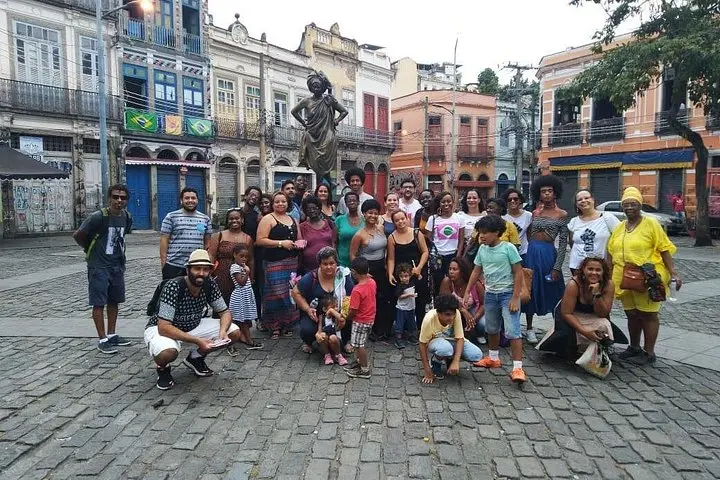
You step off the Avenida Rodrigues Alves and the city’s salt air gives way to a different rhythm — drums you can almost hear in the cobblestones, vendors calling, and the low curve of the harbor guiding the route. The walk through Rio’s Little Africa threads between warehouses, colonial facades and waterfront piers where enslaved Africans once set foot on Brazilian soil.
Verified experiences and guided adventures in the surrounding area.
Operated by Guia Wellington/Berimbautour · Rio de Janeiro, Rio de Janeiro
You step off the Avenida Rodrigues Alves and the city’s salt air gives way to a different rhythm — drums you can almost hear in the cobblestones, vendors calling, and the low curve of the harbor guiding the route. The walk through Rio’s Little Africa threads between warehouses, colonial facades and waterfront piers where enslaved Africans once set foot on Brazilian soil.
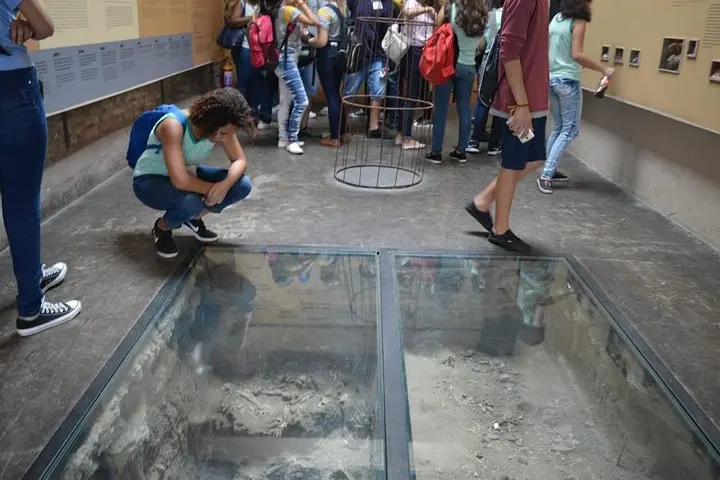
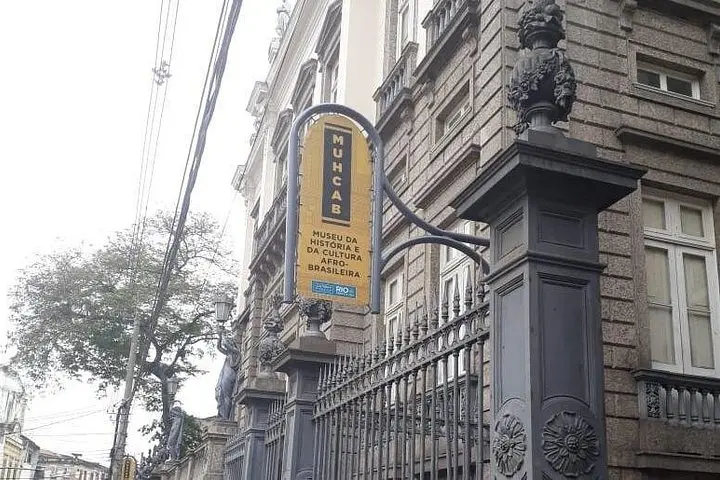
This short urban hike covers sites of deep historical weight: the Museu dos Pretos Novos (a clandestine burial ground uncovered in the 1990s), the Cais do Valongo archaeological complex inscribed by UNESCO, and cultural anchors like the Tia Ciata Cultural Center. Geologically the path follows reclaimed waterfront and exposed bedrock outcrops near Morro da Conceição; culturally it maps the migration and musical innovations that birthed samba. Pedra do Sal still echoes with roda de samba and street food that points to Afro-Brazilian culinary traditions.
Practically, expect paved streets, historic stairs and occasional steep ramps — nothing technical, but allow time for stops, museum exteriors and a coffee or caipirinha at Largo São Francisco da Prainha where the tour finishes. Mornings are cooler and less crowded; late afternoons bring golden light and livelier bars.
Bring a refillable water bottle, sun protection and comfortable walking shoes. Respect memorial sites — photography is common, but archaeological areas deserve quiet attention. Guided walks here combine city history with on-the-ground context: you leave having seen landmarks and having felt how the neighborhood’s people and places pushed Rio’s culture forward.
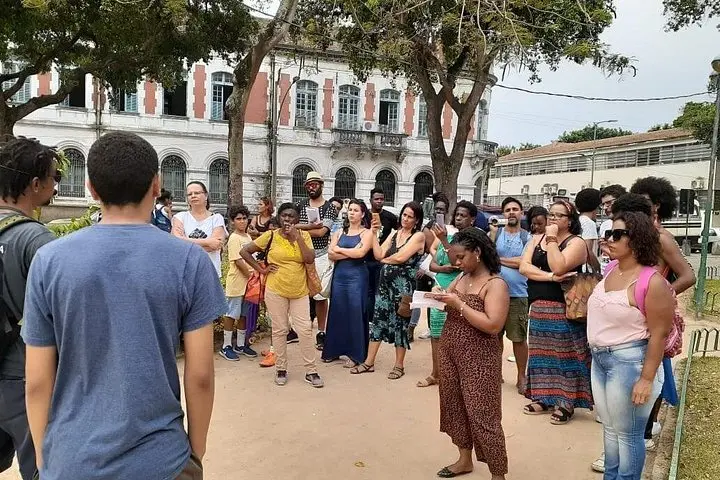
Tours run about 2–4 hours at a relaxed walking pace with multiple stops for history, viewpoints and food recommendations.
This walking tour provides interpretation at sites but typically does not include paid admissions to indoor exhibits; check the operator if you plan to enter museums.
The common meeting point is in front of AquaRio; the walk generally finishes near Largo São Francisco da Prainha / Pedra do Sal with local food and music options.
Some streets and historic stair sections are uneven; accessibility is limited in places—contact the provider ahead to confirm specific route adjustments.
Guia Wellington/Berimbautour operates guided outdoor trips and adventures with an emphasis on safety, stewardship, and memorable experiences.
You step off the Avenida Rodrigues Alves and the city’s salt air gives way to a different rhythm — drums you can almost hear in the cobblestones, vendors calling, and the low curve of the harbor guiding the route. The walk through Rio’s Little Africa threads between warehouses, colonial facades and waterfront piers where enslaved Africans once set foot on Brazilian soil.
You step off the Avenida Rodrigues Alves and the city’s salt air gives way to a different rhythm — drums you can almost hear in the cobblestones, vendors calling, and the low curve of the harbor guiding the route. The walk through Rio’s Little Africa threads between warehouses, colonial facades and waterfront piers where enslaved Africans once set foot on Brazilian soil.
This short urban hike covers sites of deep historical weight: the Museu dos Pretos Novos (a clandestine burial ground uncovered in the 1990s), the Cais do Valongo archaeological complex inscribed by UNESCO, and cultural anchors like the Tia Ciata Cultural Center. Geologically the path follows reclaimed waterfront and exposed bedrock outcrops near Morro da Conceição; culturally it maps the migration and musical innovations that birthed samba. Pedra do Sal still echoes with roda de samba and street food that points to Afro-Brazilian culinary traditions.
Practically, expect paved streets, historic stairs and occasional steep ramps — nothing technical, but allow time for stops, museum exteriors and a coffee or caipirinha at Largo São Francisco da Prainha where the tour finishes. Mornings are cooler and less crowded; late afternoons bring golden light and livelier bars.
Bring a refillable water bottle, sun protection and comfortable walking shoes. Respect memorial sites — photography is common, but archaeological areas deserve quiet attention. Guided walks here combine city history with on-the-ground context: you leave having seen landmarks and having felt how the neighborhood’s people and places pushed Rio’s culture forward.