THE ADVENTURE COLLECTIVE® · Independent discovery and booking for outdoor travel

Explore the key sites of Islamic history around Makkah on a focused four-hour guided tour. Visit Cave Hira, Mount Arafat, Muzdalifah and Mount Thawr while learning the historical and ritual significance of each place.
Explore the key sites of Islamic history around Makkah on a focused four-hour guided tour. Visit Cave Hira, Mount Arafat, Muzdalifah and Mount Thawr while learning the historical and ritual significance of each place.
Early morning light washes across the stone approaches to Mount Arafat, and the air carries the soft rhythm of pilgrims moving with purpose. On this four-hour guided exploration you move through places that changed the course of Islamic history: the rise of Mount Noor and the narrow passage to Cave Hira, the layered plain of Arafat where pilgrims gather, the open night-sky of Muzdalifah, and the compact slopes of Mount Thawr.
Verified experiences and guided adventures in the surrounding area.
Operated by Mohammed · Makkah, Makkah Province
Early morning light washes across the stone approaches to Mount Arafat, and the air carries the soft rhythm of pilgrims moving with purpose. On this four-hour guided exploration you move through places that changed the course of Islamic history: the rise of Mount Noor and the narrow passage to Cave Hira, the layered plain of Arafat where pilgrims gather, the open night-sky of Muzdalifah, and the compact slopes of Mount Thawr.
Geology here is direct — volcanic hills, wind-swept sandstone and compacted alluvium that shaped routes for centuries. The cultural weight is heavier: these are active devotional sites tied to Hajj rites, the Prophet’s migration, and centuries of recorded tradition. The Makkah Museum adds context with artifacts and timelines that show urban growth around the Grand Mosque.
Practicalities are clear: expect mostly short walks and some steep, uneven steps at cave sites, modest dress, and strict access rules — entry to Makkah is restricted to Muslim visitors. Guides provide historical narration and route management to keep movement respectful and efficient.
Plan for heat, hydration and the cadence of prayer times; mornings are cooler and quieter. Bring footwear that grips stone and sand, a lightweight long-sleeve layer for sun and etiquette, and a small daypack for water and documentation. This is a focused cultural walk: immersive, reverent, and logistically simple, with moments that reward quiet attention and curiosity about how landscape and faith shaped each other here.
No. Entry to the city of Makkah and its sacred precincts is restricted to Muslim visitors; non-Muslims cannot participate.
The tour lasts about four hours with mostly short walks between sites and some steep or uneven sections when accessing caves or viewpoints.
Transportation and many surfaces are described as wheelchair accessible, but some historic sites have steps and uneven terrain—check with the operator for specific access arrangements.
The tour notes a small museum fee (approx. $7) included in the listing; confirm with the operator whether all museum entries on the itinerary are covered.
Mohammed operates guided outdoor trips and adventures with an emphasis on safety, stewardship, and memorable experiences.
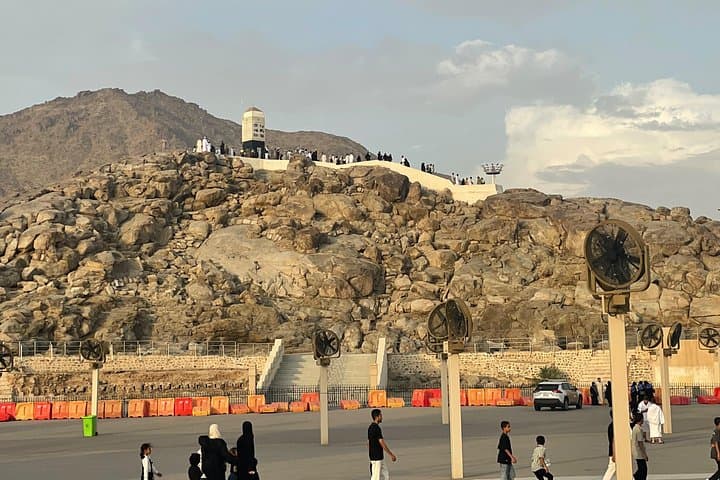
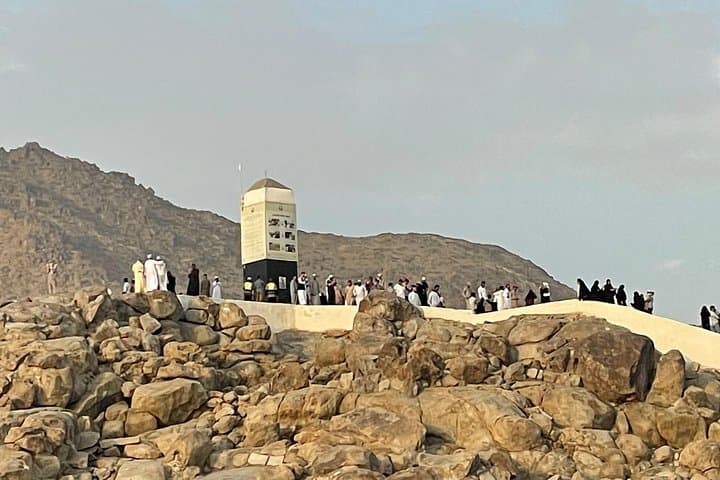
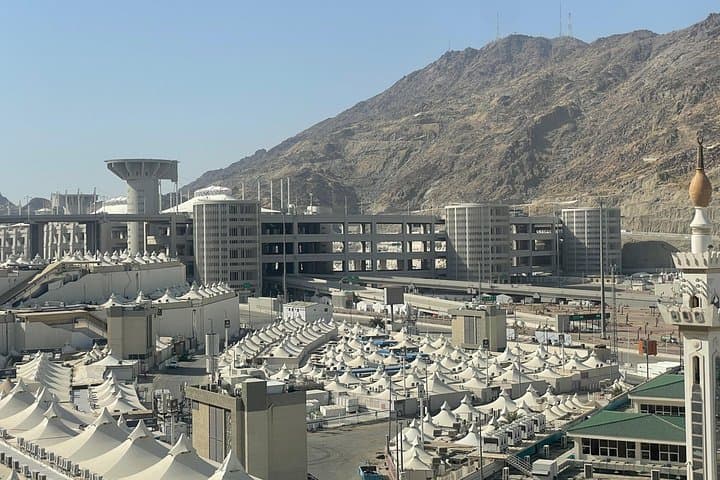
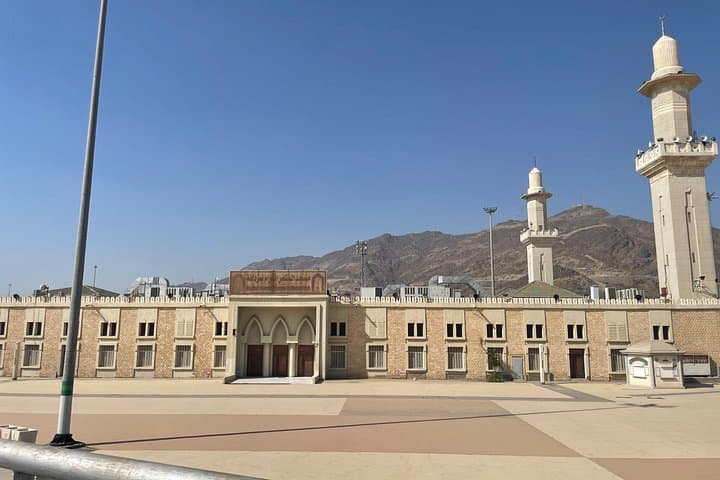
Early morning light washes across the stone approaches to Mount Arafat, and the air carries the soft rhythm of pilgrims moving with purpose. On this four-hour guided exploration you move through places that changed the course of Islamic history: the rise of Mount Noor and the narrow passage to Cave Hira, the layered plain of Arafat where pilgrims gather, the open night-sky of Muzdalifah, and the compact slopes of Mount Thawr.
Early morning light washes across the stone approaches to Mount Arafat, and the air carries the soft rhythm of pilgrims moving with purpose. On this four-hour guided exploration you move through places that changed the course of Islamic history: the rise of Mount Noor and the narrow passage to Cave Hira, the layered plain of Arafat where pilgrims gather, the open night-sky of Muzdalifah, and the compact slopes of Mount Thawr.
Geology here is direct — volcanic hills, wind-swept sandstone and compacted alluvium that shaped routes for centuries. The cultural weight is heavier: these are active devotional sites tied to Hajj rites, the Prophet’s migration, and centuries of recorded tradition. The Makkah Museum adds context with artifacts and timelines that show urban growth around the Grand Mosque.
Practicalities are clear: expect mostly short walks and some steep, uneven steps at cave sites, modest dress, and strict access rules — entry to Makkah is restricted to Muslim visitors. Guides provide historical narration and route management to keep movement respectful and efficient.
Plan for heat, hydration and the cadence of prayer times; mornings are cooler and quieter. Bring footwear that grips stone and sand, a lightweight long-sleeve layer for sun and etiquette, and a small daypack for water and documentation. This is a focused cultural walk: immersive, reverent, and logistically simple, with moments that reward quiet attention and curiosity about how landscape and faith shaped each other here.