THE ADVENTURE COLLECTIVE® · Independent discovery and booking for outdoor travel

Explore New York’s most iconic houses of faith on a guided 3.5-hour walk that moves from colonial chapels to soaring Gothic cathedrals. Expect architectural close-ups, historical stories, and practical tips for navigating interiors and services.
Explore New York’s most iconic houses of faith on a guided 3.5-hour walk that moves from colonial chapels to soaring Gothic cathedrals. Expect architectural close-ups, historical stories, and practical tips for navigating interiors and services.
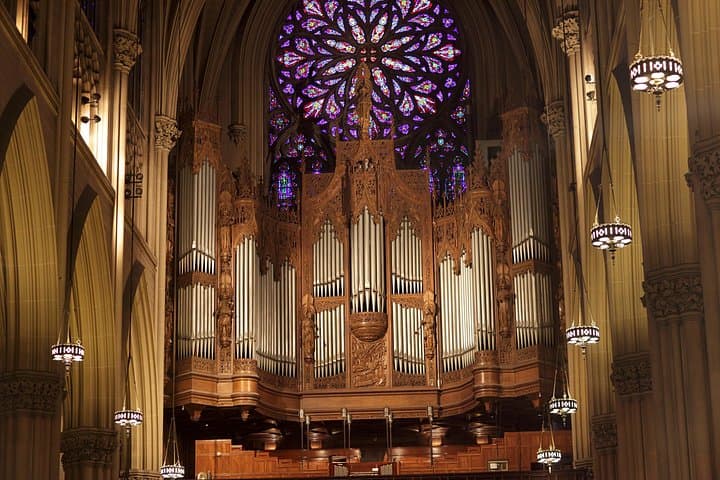
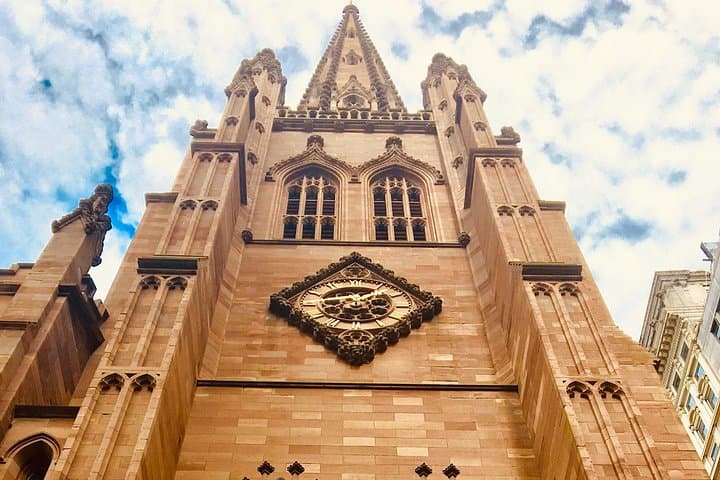
You step off Broadway into a choir of stone and stained glass: spires cut the skyline, bronze doors breathe open, and the city hums around sacral silence. The tour threads from Trinity Church at lower Manhattan up through colonial-era chapels and the soaring Neo-Gothic of St. Patrick's Cathedral, shifting scale and story with each block.
Verified experiences and guided adventures in the surrounding area.
Operated by YES Tours NYC · New York, NY
You step off Broadway into a choir of stone and stained glass: spires cut the skyline, bronze doors breathe open, and the city hums around sacral silence. The tour threads from Trinity Church at lower Manhattan up through colonial-era chapels and the soaring Neo-Gothic of St. Patrick's Cathedral, shifting scale and story with each block.
These buildings map New York’s growth: St. Paul's Chapel (1766) survived centuries of change and became a refuge after 9/11; Trinity Church anchors early mercantile Manhattan and holds graves that point to Revolutionary-era lives. St. Patrick's (completed in the late 19th century) illustrates the city’s immigrant-era ambition with ribbed vaults and flying buttresses. Geologically you’re on filled marshland and glacial tills beneath asphalt — the sites rise not from dramatic bedrock but from layers of city reclamation and continuous repair.
Culturally, the tour is as much about civic memory as faith: memorial plaques, parish charities, and architectural responses to waves of newcomers. Expect photo-ready façades, close-up views of carved capitals, and quiet interior naves when access is allowed.
Practical guidance: the route covers roughly 3–4 miles of mostly flat sidewalks with some cobbles and steps; minimal elevation gain. Wear sturdy walking shoes, carry water, and plan around religious services or private events — interiors aren’t always guaranteed. Tours operate in all weather; bring layered clothing and a compact umbrella. Ask your guide about accessibility at specific stops and about tailoring the route to focus on architecture, history, or photography.
No—interior access depends on service schedules, private events, and site policies; the guide guarantees exterior visits and will seek interior entry when available.
Many stops have accessible exterior viewing; several interiors have limited access due to steps—contact the operator ahead to plan an accessible route.
Expect about 3–4 miles of walking on mostly flat city streets and sidewalks, with short periods standing while the guide speaks.
Yes—this private tour can be tailored to your interests; request customization when booking or by contacting the operator directly.
YES Tours NYC operates guided outdoor trips and adventures with an emphasis on safety, stewardship, and memorable experiences.
You step off Broadway into a choir of stone and stained glass: spires cut the skyline, bronze doors breathe open, and the city hums around sacral silence. The tour threads from Trinity Church at lower Manhattan up through colonial-era chapels and the soaring Neo-Gothic of St. Patrick's Cathedral, shifting scale and story with each block.
You step off Broadway into a choir of stone and stained glass: spires cut the skyline, bronze doors breathe open, and the city hums around sacral silence. The tour threads from Trinity Church at lower Manhattan up through colonial-era chapels and the soaring Neo-Gothic of St. Patrick's Cathedral, shifting scale and story with each block.
These buildings map New York’s growth: St. Paul's Chapel (1766) survived centuries of change and became a refuge after 9/11; Trinity Church anchors early mercantile Manhattan and holds graves that point to Revolutionary-era lives. St. Patrick's (completed in the late 19th century) illustrates the city’s immigrant-era ambition with ribbed vaults and flying buttresses. Geologically you’re on filled marshland and glacial tills beneath asphalt — the sites rise not from dramatic bedrock but from layers of city reclamation and continuous repair.
Culturally, the tour is as much about civic memory as faith: memorial plaques, parish charities, and architectural responses to waves of newcomers. Expect photo-ready façades, close-up views of carved capitals, and quiet interior naves when access is allowed.
Practical guidance: the route covers roughly 3–4 miles of mostly flat sidewalks with some cobbles and steps; minimal elevation gain. Wear sturdy walking shoes, carry water, and plan around religious services or private events — interiors aren’t always guaranteed. Tours operate in all weather; bring layered clothing and a compact umbrella. Ask your guide about accessibility at specific stops and about tailoring the route to focus on architecture, history, or photography.