THE ADVENTURE COLLECTIVE® · Independent discovery and booking for outdoor travel

Trade the crowds for a full-day trek on Mount Etna, moving from lava beaches and recent flows up to the dramatic Valle del Bove. This walk mixes volcanic geology, local culture and sweeping views of the Ionian coast.
Trade the crowds for a full-day trek on Mount Etna, moving from lava beaches and recent flows up to the dramatic Valle del Bove. This walk mixes volcanic geology, local culture and sweeping views of the Ionian coast.
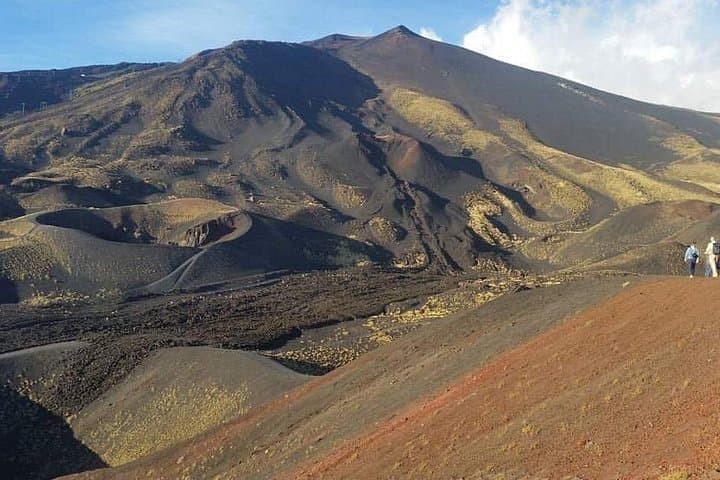
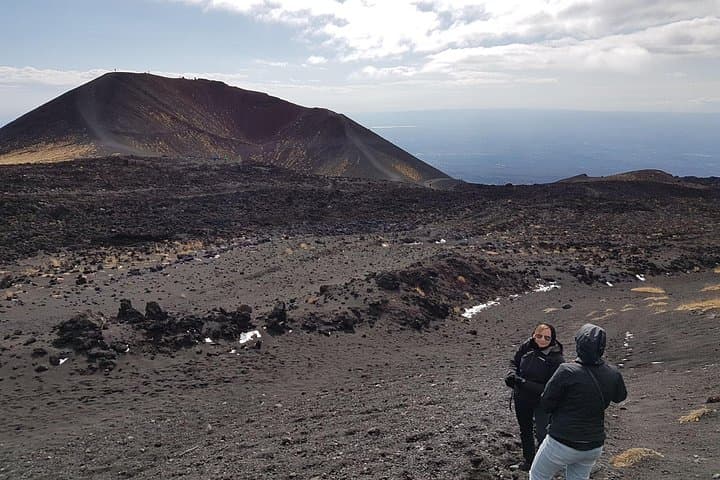
You step out of the minivan and the air changes — cooler, dusted with sulfur and pine resin — and the slope opens up into a hard, black plain where lava has frozen like a stalled ocean. Sunlight rides over jagged basalt and, farther up, a band of green forests that survived earlier eruptions. The guide tightens a pack strap and points toward a skyline cut by older craters; it’s the kind of landscape that insists you pay attention.
Verified experiences and guided adventures in the surrounding area.
Operated by Marco Antonio Puggelli · Nicolosi, Sicily
You step out of the minivan and the air changes — cooler, dusted with sulfur and pine resin — and the slope opens up into a hard, black plain where lava has frozen like a stalled ocean. Sunlight rides over jagged basalt and, farther up, a band of green forests that survived earlier eruptions. The guide tightens a pack strap and points toward a skyline cut by older craters; it’s the kind of landscape that insists you pay attention.
This trek follows lesser-used routes on Mount Etna, Europe's highest active volcano. Centuries of eruptions built layers of ash and lava that now host chestnut woods, lava-stone villages and the wide scar of the Valle del Bove — an ancient caldera whose steep walls display the volcano’s geological history in bands of color. Local communities, long experienced with Etna’s moods, used lava rock for churches and houses; small towns along the way still sell fresh sandwiches and pastry made from local ingredients.
Practical guidance: the tour starts from Catania and moves to a base near 1,850 m before a 4–5 hour walk over mixed terrain — volcanic scree, recent flows and volcanic steppe. Expect elevation gain, loose footing and sudden wind; waterproof, warm layers and sturdy boots are standard. Bring at least 1–1.5 liters of water, sun protection and a lightweight daypack. Guides handle route-finding and share volcanic and cultural context, but participants should have moderate fitness and stable ankles. Time your visit for clear weather to see the Ionian coast and active craters; volcanic conditions can change, so follow guide instructions and check cancellations for bad weather.
The route is rated moderate: several hours of walking over uneven volcanic terrain with some elevation gain; basic fitness and stable ankles are recommended.
Guides aim to show views of active craters when safe and visible, but volcanic activity and weather can limit access and views for safety reasons.
The itinerary includes a stop in a small town before the climb to buy breakfast and a lunch break near the Valle del Bove; expect limited facilities on the high route.
No — the tour is not recommended for those with spinal, significant heart conditions, mobility issues or pregnancy due to terrain and altitude.
Marco Antonio Puggelli operates guided outdoor trips and adventures with an emphasis on safety, stewardship, and memorable experiences.

You step out of the minivan and the air changes — cooler, dusted with sulfur and pine resin — and the slope opens up into a hard, black plain where lava has frozen like a stalled ocean. Sunlight rides over jagged basalt and, farther up, a band of green forests that survived earlier eruptions. The guide tightens a pack strap and points toward a skyline cut by older craters; it’s the kind of landscape that insists you pay attention.
You step out of the minivan and the air changes — cooler, dusted with sulfur and pine resin — and the slope opens up into a hard, black plain where lava has frozen like a stalled ocean. Sunlight rides over jagged basalt and, farther up, a band of green forests that survived earlier eruptions. The guide tightens a pack strap and points toward a skyline cut by older craters; it’s the kind of landscape that insists you pay attention.
This trek follows lesser-used routes on Mount Etna, Europe's highest active volcano. Centuries of eruptions built layers of ash and lava that now host chestnut woods, lava-stone villages and the wide scar of the Valle del Bove — an ancient caldera whose steep walls display the volcano’s geological history in bands of color. Local communities, long experienced with Etna’s moods, used lava rock for churches and houses; small towns along the way still sell fresh sandwiches and pastry made from local ingredients.
Practical guidance: the tour starts from Catania and moves to a base near 1,850 m before a 4–5 hour walk over mixed terrain — volcanic scree, recent flows and volcanic steppe. Expect elevation gain, loose footing and sudden wind; waterproof, warm layers and sturdy boots are standard. Bring at least 1–1.5 liters of water, sun protection and a lightweight daypack. Guides handle route-finding and share volcanic and cultural context, but participants should have moderate fitness and stable ankles. Time your visit for clear weather to see the Ionian coast and active craters; volcanic conditions can change, so follow guide instructions and check cancellations for bad weather.