THE ADVENTURE COLLECTIVE® · Independent discovery and booking for outdoor travel

Explore Dubai’s historic creekside neighborhoods on a private four-hour walking tour. From Al Fahidi’s wind-tower lanes to an abra crossing and the glittering Gold Souk, this route blends history, markets and practical local insights.
Explore Dubai’s historic creekside neighborhoods on a private four-hour walking tour. From Al Fahidi’s wind-tower lanes to an abra crossing and the glittering Gold Souk, this route blends history, markets and practical local insights.
Morning light slices between wind-tower alleys as the group gathers at Sharaf DG Metro Exit 4—Dubai’s older quarter releasing warmth and the smell of cardamom from a nearby stall.
Verified experiences and guided adventures in the surrounding area.
Operated by Awais Bashir - Tour Guide · Dubai, Dubai
Morning light slices between wind-tower alleys as the group gathers at Sharaf DG Metro Exit 4—Dubai’s older quarter releasing warmth and the smell of cardamom from a nearby stall.
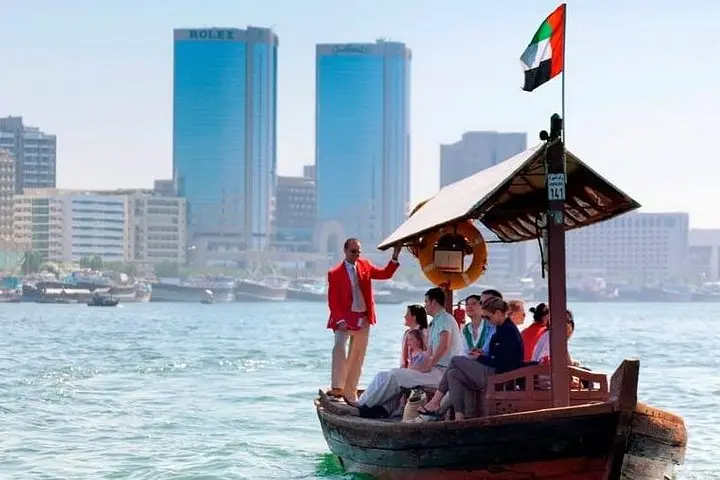
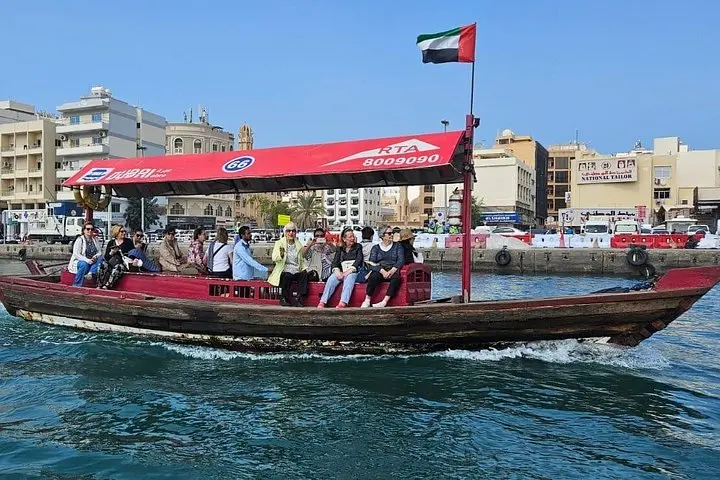
The four-hour private walk threads Al Fahidi (Al Bastakiya), where narrow lanes and preserved courtyard houses recall merchant families from Bastak who settled here in the 1890s. Across Dubai Creek, the abra ride offers a momentary slip from modern skyline to the creek’s old trading current; boatmen steer under a skyline of cranes and dhows that once hauled pearls and spices.
Deira’s Gold Souk and Spice Souk present a contrasting sensory map: mirrored shopfronts bristling with karats, sacks of turmeric and saffron stacked like colored cliffs, and textile alleys with bolts of cotton, silk and embroidered cloth.
Practical detail sits alongside the scene: the route is flat but involves cobbled paths and crowded lanes, so expect frequent stops for photos and bargaining demonstrations. The tour includes bottled water and light refreshments; purchases are extra. Allow four hours, bring sun protection and modest clothing for mosque-adjacent areas, and plan the abra crossing mid-morning to avoid heat and peak crowds.
This experience is as much about observing social history—how the creek shaped Dubai’s growth—as it is about shopping. Travelers leave with a clearer sense of the city’s commercial roots, a handful of spices, and a sharper eye for craftsmanship behind the glittering displays.
The designated meeting point is Sharaf DG Metro Station, Exit 4; the guide will meet the group there before heading to Al Fahidi.
Yes — the short motorized abra crossing of Dubai Creek is part of the itinerary to experience traditional water transport.
No — market purchases (gold, spices, textiles) are the traveler’s responsibility; negotiate prices locally.
The tour is flat but includes cobbled, uneven paths and crowds; it’s not recommended for people with serious spinal, heart, or pregnancy-related restrictions.
Awais Bashir - Tour Guide operates guided outdoor trips and adventures with an emphasis on safety, stewardship, and memorable experiences.

Morning light slices between wind-tower alleys as the group gathers at Sharaf DG Metro Exit 4—Dubai’s older quarter releasing warmth and the smell of cardamom from a nearby stall.
Morning light slices between wind-tower alleys as the group gathers at Sharaf DG Metro Exit 4—Dubai’s older quarter releasing warmth and the smell of cardamom from a nearby stall.
The four-hour private walk threads Al Fahidi (Al Bastakiya), where narrow lanes and preserved courtyard houses recall merchant families from Bastak who settled here in the 1890s. Across Dubai Creek, the abra ride offers a momentary slip from modern skyline to the creek’s old trading current; boatmen steer under a skyline of cranes and dhows that once hauled pearls and spices.
Deira’s Gold Souk and Spice Souk present a contrasting sensory map: mirrored shopfronts bristling with karats, sacks of turmeric and saffron stacked like colored cliffs, and textile alleys with bolts of cotton, silk and embroidered cloth.
Practical detail sits alongside the scene: the route is flat but involves cobbled paths and crowded lanes, so expect frequent stops for photos and bargaining demonstrations. The tour includes bottled water and light refreshments; purchases are extra. Allow four hours, bring sun protection and modest clothing for mosque-adjacent areas, and plan the abra crossing mid-morning to avoid heat and peak crowds.
This experience is as much about observing social history—how the creek shaped Dubai’s growth—as it is about shopping. Travelers leave with a clearer sense of the city’s commercial roots, a handful of spices, and a sharper eye for craftsmanship behind the glittering displays.