THE ADVENTURE COLLECTIVE® · Independent discovery and booking for outdoor travel

Walk the streets frozen by Vesuvius and learn Roman daily life on a focused two-hour guided tour. Expect amphitheatres, frescoed homes, and practical tips for navigating uneven ancient stone.
Walk the streets frozen by Vesuvius and learn Roman daily life on a focused two-hour guided tour. Expect amphitheatres, frescoed homes, and practical tips for navigating uneven ancient stone.
You step through a modern gate and the street opens into a Roman neighborhood: flagstones underfoot, plastered walls still bearing color, and the shadow of Mount Vesuvius pressing the skyline like a slow-moving presence.
Verified experiences and guided adventures in the surrounding area.
Operated by Sesto Continente Tours · Pompeii, Campania
You step through a modern gate and the street opens into a Roman neighborhood: flagstones underfoot, plastered walls still bearing color, and the shadow of Mount Vesuvius pressing the skyline like a slow-moving presence.
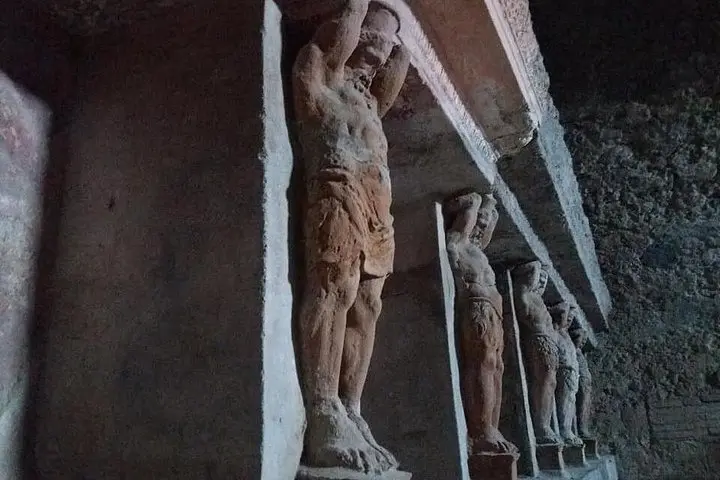
Pompeii's streets were frozen by the 79 AD eruption; here the city reads like an open book of daily life. The Amphitheatre still carries the sense of mass spectacle, while the House of the Vettii and the Villa of the Mysteries reveal private rituals and bright fresco cycles. Geology is never far away — volcanic ash and pumice preserved organic shapes and built a landscape of fertile slopes that shaped local agriculture for millennia.
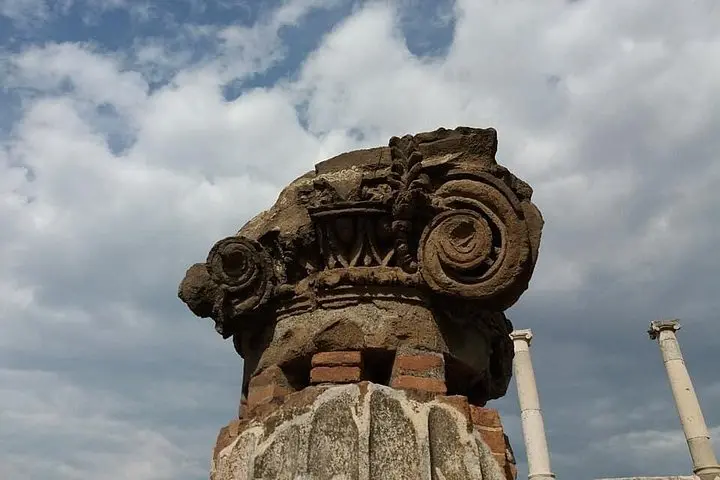
Culturally, Pompeii was a roman provincial city where trade, religion and domestic life met: temples to Apollo and the Capitoline Triad sit beside workshops and baths. Modern excavation began in the 18th century, and conservation is ongoing — expect fenced routes and interpretive signage.
Practical guidance: this guided walk runs about two hours through largely level, uneven stone surfaces. Wear sturdy shoes, carry water, and expect sun and heat in summer. Admission logistics vary by booking; bring a mobile ticket and check whether entrée is included. Photography is allowed but avoid touching frescoes or barriers — conservation depends on visitor care. Guides will point out mosaic details, street-level plumbing, and how social order was visible in architecture.
Timing your visit for cooler morning hours will minimize crowds and let you linger in key houses with better light. The city rewards slow attention: read a mosaic, watch a doorway, and let the ash speak quietly of the eruption that stopped a day in motion.
Not always — check your booking details; this tour often requires you to have an archaeological park ticket or pay on-site unless specified as included.
Some routes are wheelchair-accessible and staff facilitation is offered, but many historic surfaces are uneven; contact the operator in advance to confirm specific access needs.
Guides provide commentary in Italian and English as advertised; verify language availability for your departure when booking.
Yes — photography for personal use is allowed, but do not touch or cross conservation barriers and avoid flash on fragile frescoes.
Sesto Continente Tours operates guided outdoor trips and adventures with an emphasis on safety, stewardship, and memorable experiences.
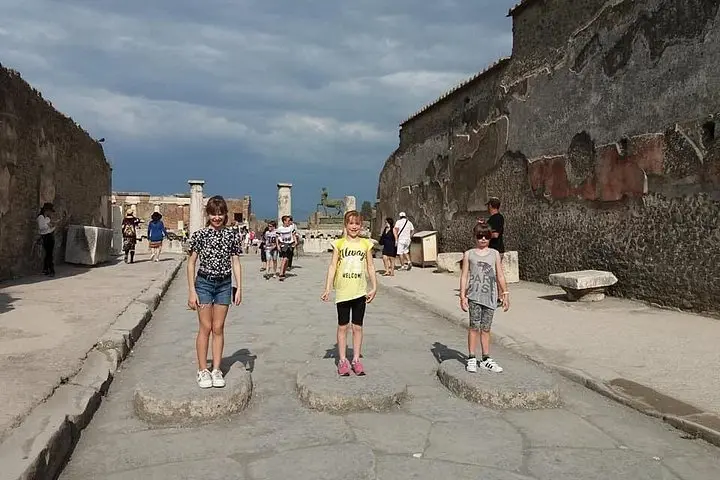
You step through a modern gate and the street opens into a Roman neighborhood: flagstones underfoot, plastered walls still bearing color, and the shadow of Mount Vesuvius pressing the skyline like a slow-moving presence.
You step through a modern gate and the street opens into a Roman neighborhood: flagstones underfoot, plastered walls still bearing color, and the shadow of Mount Vesuvius pressing the skyline like a slow-moving presence.
Pompeii's streets were frozen by the 79 AD eruption; here the city reads like an open book of daily life. The Amphitheatre still carries the sense of mass spectacle, while the House of the Vettii and the Villa of the Mysteries reveal private rituals and bright fresco cycles. Geology is never far away — volcanic ash and pumice preserved organic shapes and built a landscape of fertile slopes that shaped local agriculture for millennia.
Culturally, Pompeii was a roman provincial city where trade, religion and domestic life met: temples to Apollo and the Capitoline Triad sit beside workshops and baths. Modern excavation began in the 18th century, and conservation is ongoing — expect fenced routes and interpretive signage.
Practical guidance: this guided walk runs about two hours through largely level, uneven stone surfaces. Wear sturdy shoes, carry water, and expect sun and heat in summer. Admission logistics vary by booking; bring a mobile ticket and check whether entrée is included. Photography is allowed but avoid touching frescoes or barriers — conservation depends on visitor care. Guides will point out mosaic details, street-level plumbing, and how social order was visible in architecture.
Timing your visit for cooler morning hours will minimize crowds and let you linger in key houses with better light. The city rewards slow attention: read a mosaic, watch a doorway, and let the ash speak quietly of the eruption that stopped a day in motion.