THE ADVENTURE COLLECTIVE® · Independent discovery and booking for outdoor travel

Walk 1.5 miles through Portland’s Old Port with a guide who brings Black Portlanders’ stories back into view—two hours of archival narration, waterfront history, and city streets that remember. Learn what to expect and how to prepare for this accessible, revealing urban walk.
Walk 1.5 miles through Portland’s Old Port with a guide who brings Black Portlanders’ stories back into view—two hours of archival narration, waterfront history, and city streets that remember. Learn what to expect and how to prepare for this accessible, revealing urban walk.
You step off the granite curb and the city exhales — gulls scan the harbor and cobblestones remember heavy boots and quiet conversations. On this 1.5‑mile stroll through Portland’s Old Port and East End, a guide threads lost stories into familiar streets: barbershops that doubled as safe houses, shipyards shaped by Black craftsmen, and meeting houses where strategy and hymn met in the same breath.
Verified experiences and guided adventures in the surrounding area.
Operated by Portland by the Foot · Portland, Maine
You step off the granite curb and the city exhales — gulls scan the harbor and cobblestones remember heavy boots and quiet conversations. On this 1.5‑mile stroll through Portland’s Old Port and East End, a guide threads lost stories into familiar streets: barbershops that doubled as safe houses, shipyards shaped by Black craftsmen, and meeting houses where strategy and hymn met in the same breath.
Portland’s arc of Black history runs from early Black Yankees who helped found communities to 19th‑century activists who shaped state policy and the Underground Railroad. The tour highlights sites like the Abyssinian Meeting House, one of America’s oldest Black church buildings, and waterfront corners where maritime labor and civic influence grew under pressure.
Geologically, you walk along raised ledges and reclaimed wharves—granite and filled marsh—where tides have always pushed commerce and culture together. Culturally the route moves through neighborhoods that shifted with industry, war, and migration, giving contemporary Portland texture and contested memory.
Practical guidance: the tour lasts about two hours, covers uneven granite cobbles and a 17‑step staircase, and includes several uphill stretches. Wear sturdy, grippy shoes and layer for wind off Casco Bay. The route is wheelchair accessible in part; check with the operator for accommodations. Bring a water bottle and arrive 10 minutes early to meet on the First Parish Church steps. Photography is welcome; donations support preservation efforts. Expect engaging narration, archival detail, and a compact walk that reframes what you thought you knew about Portland’s waterfront and the people who built it.
The tour is two hours and covers roughly 1.5 miles through the Old Port and eastern waterfront, with stops for narration.
Much of the route is wheelchair accessible, but there are short uphill sections and a 17‑step staircase; contact the operator to confirm accommodations.
Infants and small children in prams or strollers can join; uneven surfaces may make some sections bumpy.
Photography is welcome; the tour includes an optional donation toward restoring the Abyssinian Meeting House noted in the inclusions.
Portland by the Foot operates guided outdoor trips and adventures with an emphasis on safety, stewardship, and memorable experiences.
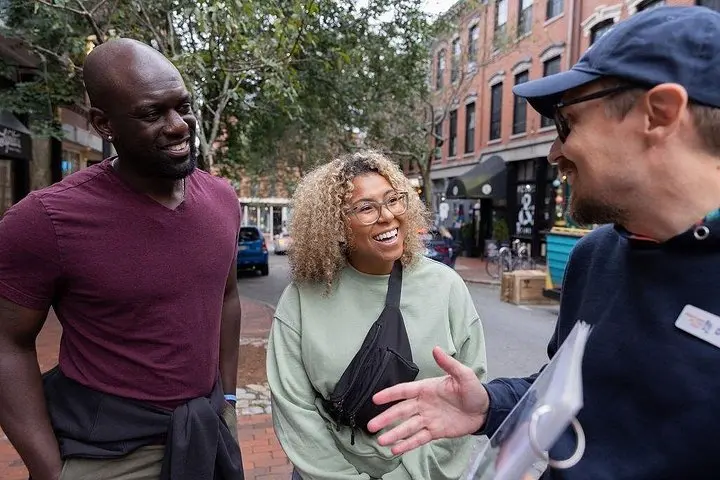
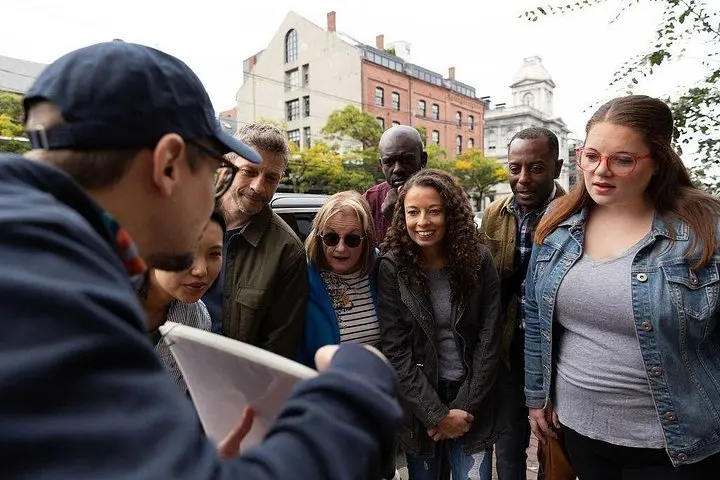
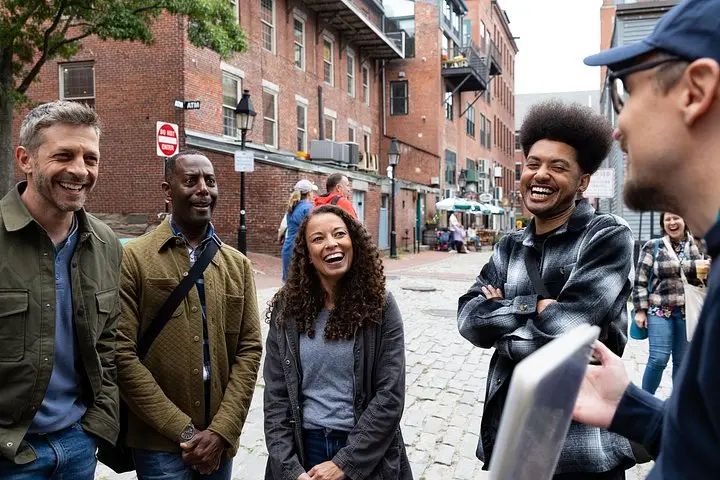

You step off the granite curb and the city exhales — gulls scan the harbor and cobblestones remember heavy boots and quiet conversations. On this 1.5‑mile stroll through Portland’s Old Port and East End, a guide threads lost stories into familiar streets: barbershops that doubled as safe houses, shipyards shaped by Black craftsmen, and meeting houses where strategy and hymn met in the same breath.
You step off the granite curb and the city exhales — gulls scan the harbor and cobblestones remember heavy boots and quiet conversations. On this 1.5‑mile stroll through Portland’s Old Port and East End, a guide threads lost stories into familiar streets: barbershops that doubled as safe houses, shipyards shaped by Black craftsmen, and meeting houses where strategy and hymn met in the same breath.
Portland’s arc of Black history runs from early Black Yankees who helped found communities to 19th‑century activists who shaped state policy and the Underground Railroad. The tour highlights sites like the Abyssinian Meeting House, one of America’s oldest Black church buildings, and waterfront corners where maritime labor and civic influence grew under pressure.
Geologically, you walk along raised ledges and reclaimed wharves—granite and filled marsh—where tides have always pushed commerce and culture together. Culturally the route moves through neighborhoods that shifted with industry, war, and migration, giving contemporary Portland texture and contested memory.
Practical guidance: the tour lasts about two hours, covers uneven granite cobbles and a 17‑step staircase, and includes several uphill stretches. Wear sturdy, grippy shoes and layer for wind off Casco Bay. The route is wheelchair accessible in part; check with the operator for accommodations. Bring a water bottle and arrive 10 minutes early to meet on the First Parish Church steps. Photography is welcome; donations support preservation efforts. Expect engaging narration, archival detail, and a compact walk that reframes what you thought you knew about Portland’s waterfront and the people who built it.