THE ADVENTURE COLLECTIVE® · Independent discovery and booking for outdoor travel

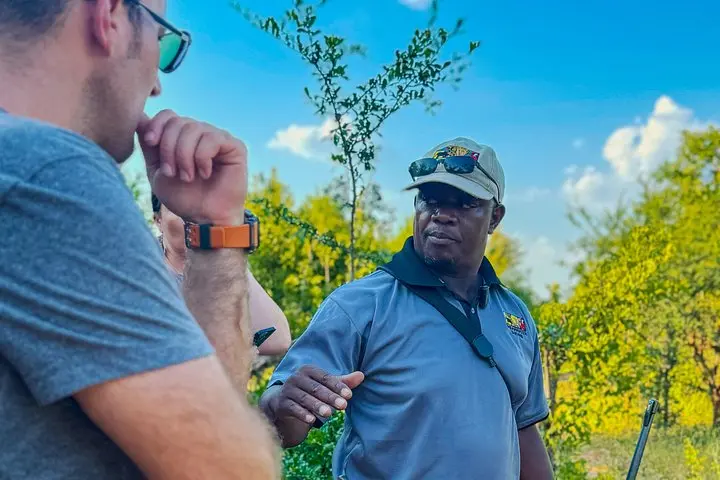
Trade the vehicle for footwork on a guided walking safari in Zambezi National Park. Expect close tracking, riverbank sightings and an interpretive experience led by trained rangers.
Trade the vehicle for footwork on a guided walking safari in Zambezi National Park. Expect close tracking, riverbank sightings and an interpretive experience led by trained rangers.
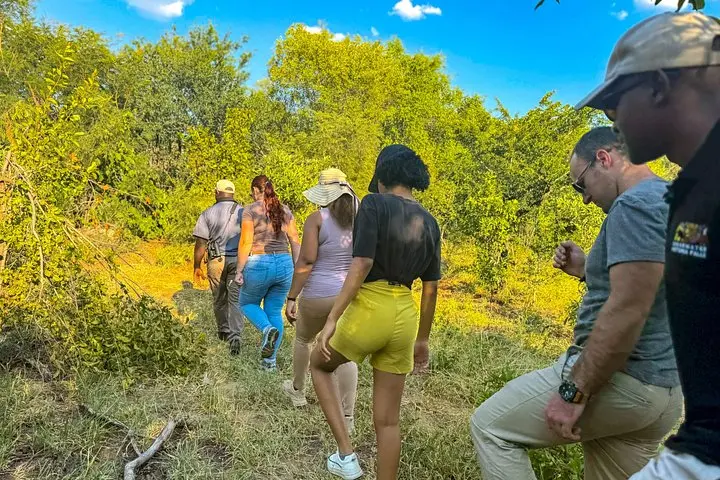
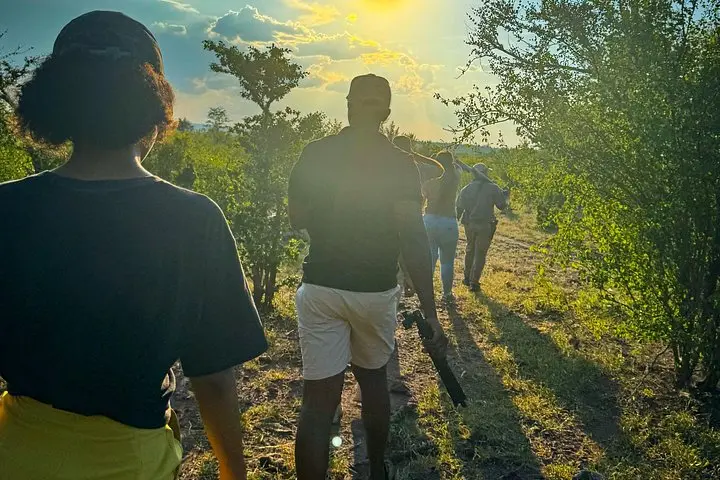
Dawn spreads cool air across the floodplain as you step off the vehicle and into the scrub of Zambezi National Park. Dry grass whispers underfoot, birds launch overhead and the Zambezi’s riverbank seems to dare you to come closer; a ranger’s boot prints set the pace and route.
Verified experiences and guided adventures in the surrounding area.
Operated by Shearwater Adventures (Pvt) Ltd · Victoria Falls, Matabeleland North
Dawn spreads cool air across the floodplain as you step off the vehicle and into the scrub of Zambezi National Park. Dry grass whispers underfoot, birds launch overhead and the Zambezi’s riverbank seems to dare you to come closer; a ranger’s boot prints set the pace and route.
The park sits downstream of Victoria Falls along the Zambezi River, where basalt bedrock gives way to broad riverine woodlands and open savanna. The route follows elephant trails, skirt hippo pools and crosses patches of mopane and baobab, offering a close-up look at tracks, dung, and the small ecosystems that sustain larger mammals. Local communities have long used the river for fishing and seasonal grazing; today guided walks balance that cultural history with conservation aims.
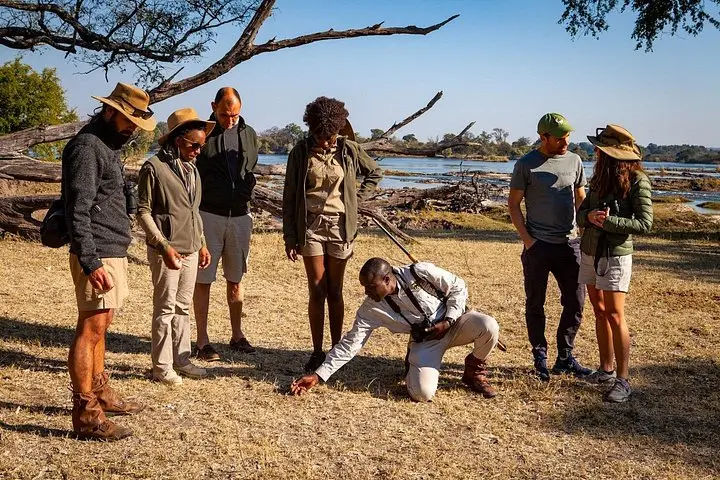
Expect 2–3 hours of walking over mostly flat, sandy to compacted-earth terrain with short stretches of thorny scrub. Guides focus on tracking, spoor identification and low-impact observation — you’ll learn to read the landscape as a living map. Wildlife encounters are possible but unhurried: elephants and hippos dominate river edges, while antelope and a wide range of birds fill the interior.
Practical notes: wear neutral-coloured layers and sturdy closed shoes, carry at least 1–2 liters of water, sun protection and binoculars. Mornings are coolest and most active for wildlife; winter mornings can be chilly so bring a jacket. Follow ranger instructions closely, keep noise low, and plan this as a moderate-pace, interpretive walk rather than a fast hike or photographic safari.
The guided walk lasts about 2–3 hours (the listed activity time is 180 minutes) and covers mostly flat terrain.
This operator does not recommend the walk for children under 12 due to safety and wildlife concerns; check with the guide for exceptions.
Encounters with elephants, hippos and antelope are possible but never guaranteed — sightings depend on season, time of day and animal movement.
Bring sunscreen, a sunhat, binoculars, personal medication, and a camera; the operator supplies water, light snacks, and a fleece poncho when needed.
Shearwater Adventures (Pvt) Ltd operates guided outdoor trips and adventures with an emphasis on safety, stewardship, and memorable experiences.
Dawn spreads cool air across the floodplain as you step off the vehicle and into the scrub of Zambezi National Park. Dry grass whispers underfoot, birds launch overhead and the Zambezi’s riverbank seems to dare you to come closer; a ranger’s boot prints set the pace and route.
Dawn spreads cool air across the floodplain as you step off the vehicle and into the scrub of Zambezi National Park. Dry grass whispers underfoot, birds launch overhead and the Zambezi’s riverbank seems to dare you to come closer; a ranger’s boot prints set the pace and route.
The park sits downstream of Victoria Falls along the Zambezi River, where basalt bedrock gives way to broad riverine woodlands and open savanna. The route follows elephant trails, skirt hippo pools and crosses patches of mopane and baobab, offering a close-up look at tracks, dung, and the small ecosystems that sustain larger mammals. Local communities have long used the river for fishing and seasonal grazing; today guided walks balance that cultural history with conservation aims.
Expect 2–3 hours of walking over mostly flat, sandy to compacted-earth terrain with short stretches of thorny scrub. Guides focus on tracking, spoor identification and low-impact observation — you’ll learn to read the landscape as a living map. Wildlife encounters are possible but unhurried: elephants and hippos dominate river edges, while antelope and a wide range of birds fill the interior.
Practical notes: wear neutral-coloured layers and sturdy closed shoes, carry at least 1–2 liters of water, sun protection and binoculars. Mornings are coolest and most active for wildlife; winter mornings can be chilly so bring a jacket. Follow ranger instructions closely, keep noise low, and plan this as a moderate-pace, interpretive walk rather than a fast hike or photographic safari.