THE ADVENTURE COLLECTIVE® · Independent discovery and booking for outdoor travel

Walk the forecourt of Trinity Church into St. Georg’s layered streets. This two‑hour guided tour traces 800 years of social change, from migrant neighborhoods and LGBTQ history to modern debates about housing and identity.
Walk the forecourt of Trinity Church into St. Georg’s layered streets. This two‑hour guided tour traces 800 years of social change, from migrant neighborhoods and LGBTQ history to modern debates about housing and identity.
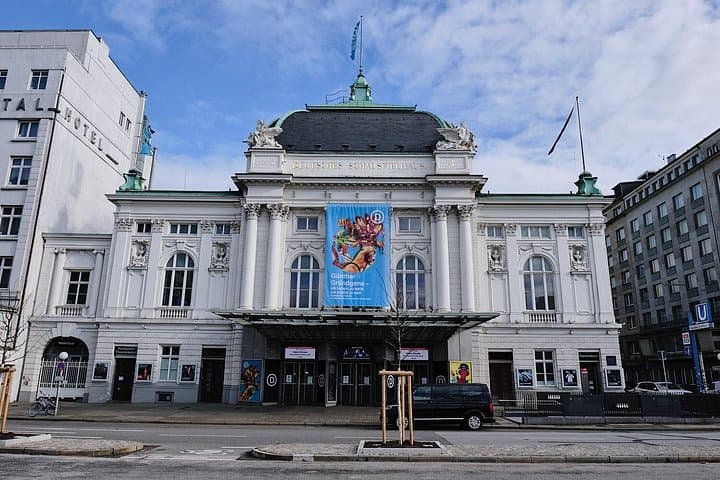
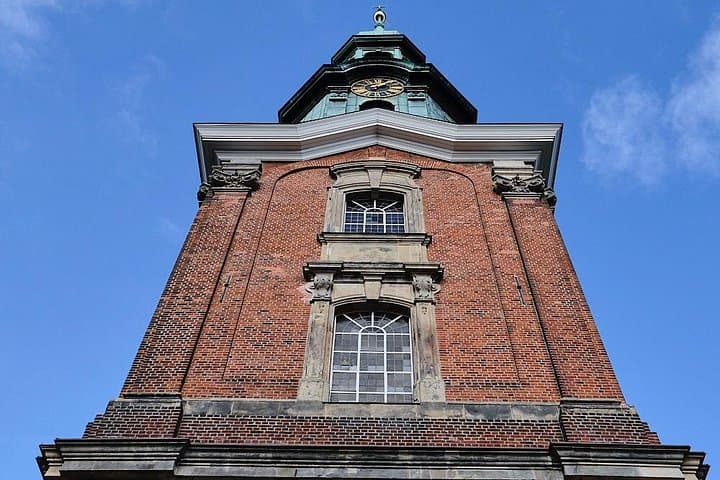
You step onto the forecourt of Trinity Church and the city exhales around you: tram clatter, multilingual conversation, the scent of bakeries and kebab stalls. St. Georg stretches out as a living archive—narrow streets, grand townhouses, and pocket squares where different histories press against each other.
Verified experiences and guided adventures in the surrounding area.
Operated by Marius Gebhardt Fotografie & Stadtführungen · Hamburg, Hamburg
You step onto the forecourt of Trinity Church and the city exhales around you: tram clatter, multilingual conversation, the scent of bakeries and kebab stalls. St. Georg stretches out as a living archive—narrow streets, grand townhouses, and pocket squares where different histories press against each other.
The district grew from a medieval village outside Hamburg’s old walls into a 19th‑century workers’ quarter and, later, a magnet for migrants, artists, and the LGBTQ community. Brick façades and wide boulevards tell part of that story; the canal-side alignment and reclaimed plots hint at the port‑city geology beneath your feet—land reshaped by trade and tides. Cultural layers are visible in Orthodox and Catholic sites, Turkish bakeries, and the evening hum that links this neighborhood to the Reeperbahn’s fringe.
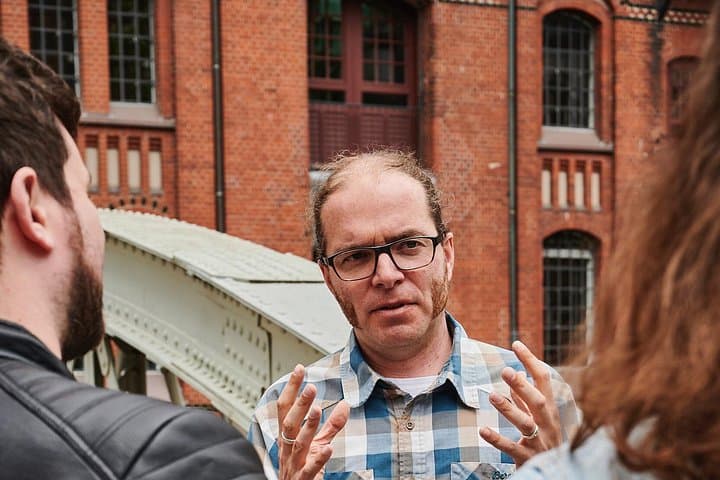
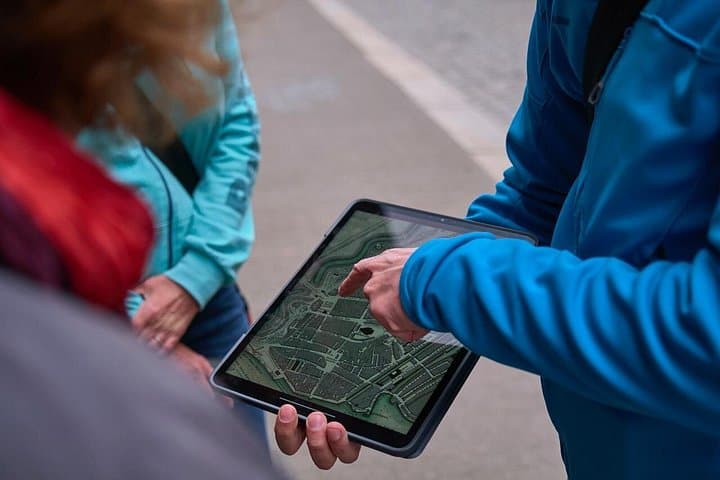
This guided walk focuses on tolerance, social change, and urban development. Guides point out the birthplace of queer organizing, former guest‑worker streets, and the squares where debates over real estate have played out. The tour is compact—about two hours—designed to move deliberately through roughly a mile of streets with frequent stops for stories and context.
Practical details: meet at Trinity Church forecourt near Hauptbahnhof; the route is flat and wheelchair accessible; groups are small. Wear comfortable shoes, bring a rain layer in unpredictable weather, and allow time afterward to explore cafés or a gallery. The tour is both an introduction to St. Georg’s present and a primer on the social forces that continue to shape it.
The tour lasts about two hours and covers roughly 1–1.5 miles (1.5–2.5 km) on mostly flat, paved streets.
Yes—routes are wheelchair and stroller accessible; notify the operator when booking if you have specific needs.
This listing is for a guided tour in German (check the booking page or contact the operator for English or other language availability).
Bookings are recommended since group size is limited; the tour accepts mobile tickets and may fill on busy days.
Marius Gebhardt Fotografie & Stadtführungen operates guided outdoor trips and adventures with an emphasis on safety, stewardship, and memorable experiences.
You step onto the forecourt of Trinity Church and the city exhales around you: tram clatter, multilingual conversation, the scent of bakeries and kebab stalls. St. Georg stretches out as a living archive—narrow streets, grand townhouses, and pocket squares where different histories press against each other.
You step onto the forecourt of Trinity Church and the city exhales around you: tram clatter, multilingual conversation, the scent of bakeries and kebab stalls. St. Georg stretches out as a living archive—narrow streets, grand townhouses, and pocket squares where different histories press against each other.
The district grew from a medieval village outside Hamburg’s old walls into a 19th‑century workers’ quarter and, later, a magnet for migrants, artists, and the LGBTQ community. Brick façades and wide boulevards tell part of that story; the canal-side alignment and reclaimed plots hint at the port‑city geology beneath your feet—land reshaped by trade and tides. Cultural layers are visible in Orthodox and Catholic sites, Turkish bakeries, and the evening hum that links this neighborhood to the Reeperbahn’s fringe.
This guided walk focuses on tolerance, social change, and urban development. Guides point out the birthplace of queer organizing, former guest‑worker streets, and the squares where debates over real estate have played out. The tour is compact—about two hours—designed to move deliberately through roughly a mile of streets with frequent stops for stories and context.
Practical details: meet at Trinity Church forecourt near Hauptbahnhof; the route is flat and wheelchair accessible; groups are small. Wear comfortable shoes, bring a rain layer in unpredictable weather, and allow time afterward to explore cafés or a gallery. The tour is both an introduction to St. Georg’s present and a primer on the social forces that continue to shape it.