THE ADVENTURE COLLECTIVE® · Independent discovery and booking for outdoor travel

Walk from Jaffa’s ancient harbor through artsy alleys to Tel Aviv’s Bauhaus boulevards on a private 2–4 hour tour. Expect history, architecture, markets and local flavor with an easy-paced route suitable for most walkers.
Walk from Jaffa’s ancient harbor through artsy alleys to Tel Aviv’s Bauhaus boulevards on a private 2–4 hour tour. Expect history, architecture, markets and local flavor with an easy-paced route suitable for most walkers.
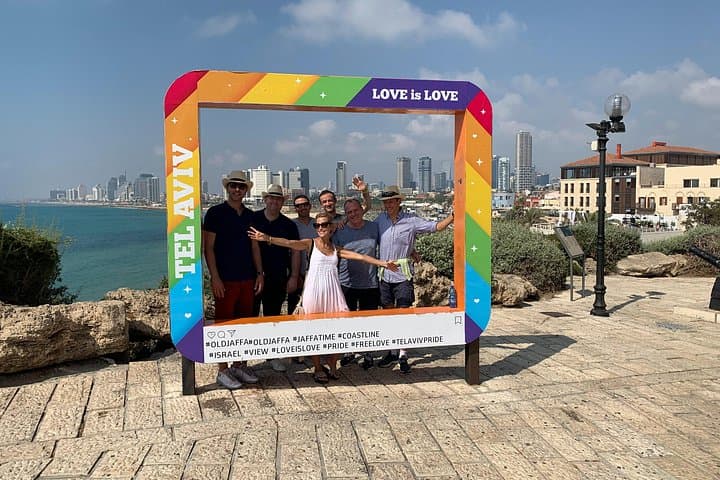
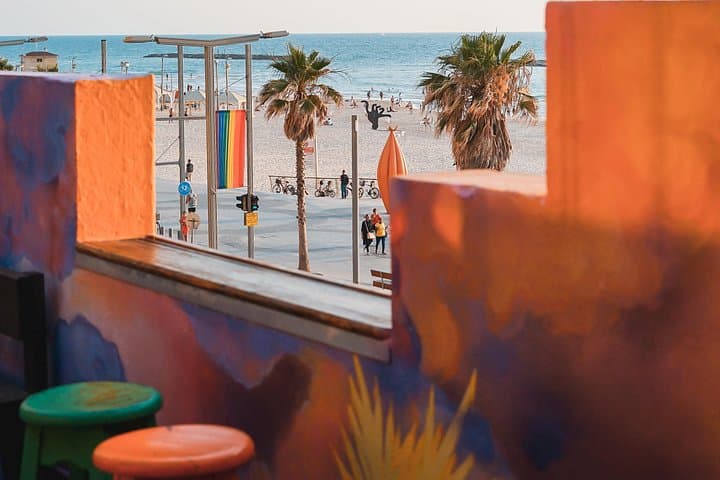
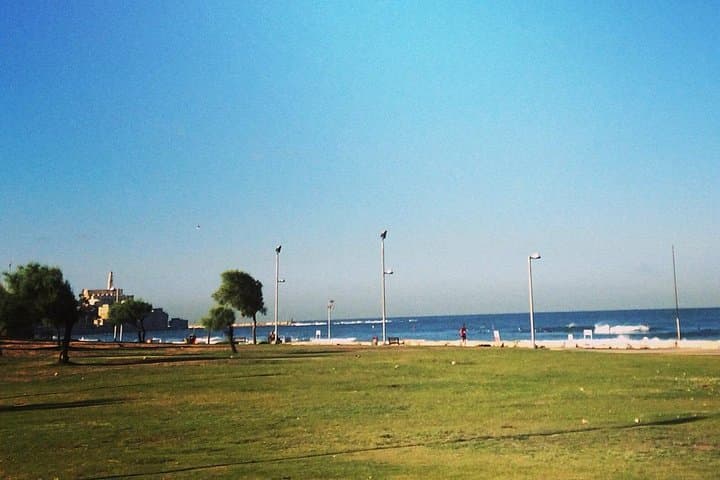
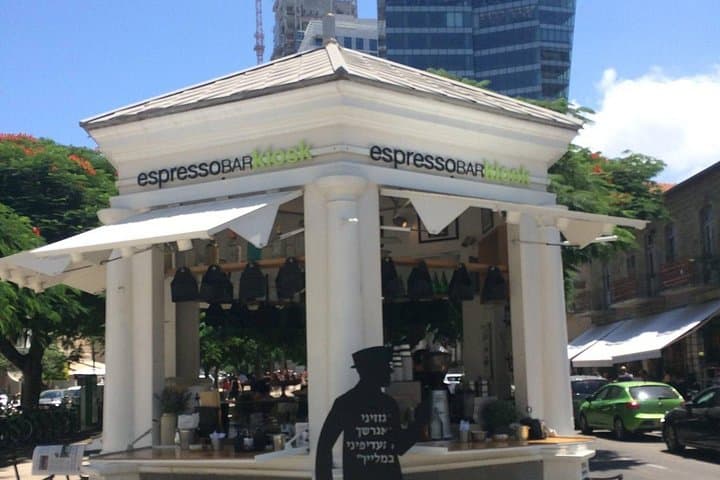
The sea smells of salt and frying za'atar as you step from the bright Mediterranean promenade into the shadowed alleys of Old Jaffa. Cobbled lanes slope toward an aging fishing port where nets dry and gulls argue over scraps; here the city’s layered past—Canaanite harbor, Ottoman quarters, modern Israeli art—presses close to the present.
Verified experiences and guided adventures in the surrounding area.
Operated by Israel-2go · Tel Aviv-Yafo, Tel Aviv District
The sea smells of salt and frying za'atar as you step from the bright Mediterranean promenade into the shadowed alleys of Old Jaffa. Cobbled lanes slope toward an aging fishing port where nets dry and gulls argue over scraps; here the city’s layered past—Canaanite harbor, Ottoman quarters, modern Israeli art—presses close to the present.
Jaffa is one of the world’s oldest ports, inhabited for at least 4,000 years, and its clock tower, hidden arabesque arches and flea-market stalls recall centuries of trade and cultural crosscurrents. Walking north, Neve Tzedek unfolds: a late-19th-century neighborhood reborn with boutique cafés and restored stone houses. Continue to Rothschild Boulevard, a central spine of Tel Aviv noted for its Bauhaus architecture and the Independence Hall where David Ben-Gurion declared the State of Israel in 1948.
The tour blends compact walks on mostly paved streets, short climbs between alleys and time to browse workshops and markets. Expect 2–4 hours of easy walking punctuated by stops for stories, architecture and local flavors.
Practical notes: morning or late-afternoon departures avoid peak heat and crowds; bring a refillable water bottle and lightweight sun protection in summer. The route is largely accessible, but some historic alleys have uneven stone. Carry small change for market purchases and plan for possible closures on religious holidays and Shabbat.
A private guide here connects landmarks to daily life—artisans, fishermen and café owners—so you don’t just see the city, you move with it.
The operator lists wheelchair accessibility and stroller access, but some historic alleys may be uneven—confirm specifics with the guide before booking.
Tours typically begin in Old Jaffa near the clock tower and proceed through Neve Tzedek and Rothschild Boulevard; ask the provider for an exact meeting point.
This walking tour’s itinerary notes no admission fees included; entry to paid museums or private sites would be at your expense.
Yes—this is a family-friendly, easy-paced walking tour, though parents should expect some stairs and crowded market areas.
Israel-2go operates guided outdoor trips and adventures with an emphasis on safety, stewardship, and memorable experiences.
The sea smells of salt and frying za'atar as you step from the bright Mediterranean promenade into the shadowed alleys of Old Jaffa. Cobbled lanes slope toward an aging fishing port where nets dry and gulls argue over scraps; here the city’s layered past—Canaanite harbor, Ottoman quarters, modern Israeli art—presses close to the present.
The sea smells of salt and frying za'atar as you step from the bright Mediterranean promenade into the shadowed alleys of Old Jaffa. Cobbled lanes slope toward an aging fishing port where nets dry and gulls argue over scraps; here the city’s layered past—Canaanite harbor, Ottoman quarters, modern Israeli art—presses close to the present.
Jaffa is one of the world’s oldest ports, inhabited for at least 4,000 years, and its clock tower, hidden arabesque arches and flea-market stalls recall centuries of trade and cultural crosscurrents. Walking north, Neve Tzedek unfolds: a late-19th-century neighborhood reborn with boutique cafés and restored stone houses. Continue to Rothschild Boulevard, a central spine of Tel Aviv noted for its Bauhaus architecture and the Independence Hall where David Ben-Gurion declared the State of Israel in 1948.
The tour blends compact walks on mostly paved streets, short climbs between alleys and time to browse workshops and markets. Expect 2–4 hours of easy walking punctuated by stops for stories, architecture and local flavors.
Practical notes: morning or late-afternoon departures avoid peak heat and crowds; bring a refillable water bottle and lightweight sun protection in summer. The route is largely accessible, but some historic alleys have uneven stone. Carry small change for market purchases and plan for possible closures on religious holidays and Shabbat.
A private guide here connects landmarks to daily life—artisans, fishermen and café owners—so you don’t just see the city, you move with it.