THE ADVENTURE COLLECTIVE® · Independent discovery and booking for outdoor travel

Trace the shadowed streets of Whitechapel with an expert guide who separates fact from fiction in the 1888 murders. This two-hour walking tour explores the historical, social, and forensic context behind one of history’s most notorious mysteries.
Trace the shadowed streets of Whitechapel with an expert guide who separates fact from fiction in the 1888 murders. This two-hour walking tour explores the historical, social, and forensic context behind one of history’s most notorious mysteries.
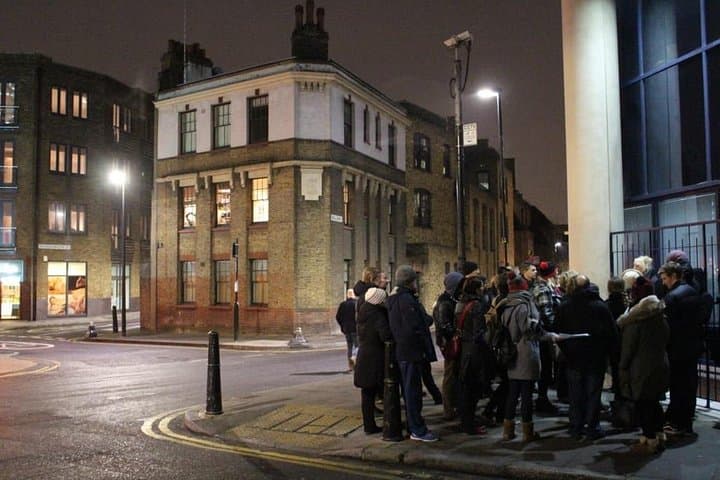
A damp wind off the Thames threads through narrow lanes and seems to press the gaslight closer to the cobbles as your guide leads the group into Whitechapel’s evening hush.
Verified experiences and guided adventures in the surrounding area.
Operated by Best Tours London · London, England
A damp wind off the Thames threads through narrow lanes and seems to press the gaslight closer to the cobbles as your guide leads the group into Whitechapel’s evening hush.
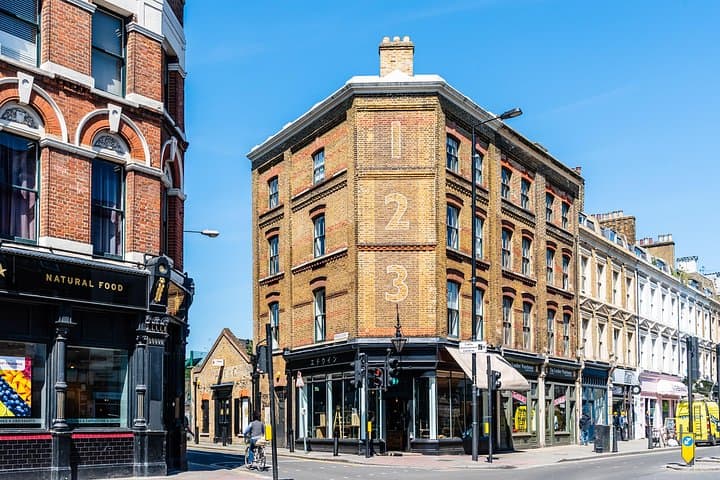
The walk drops you into late-Victorian London: tight terraces, soot-dark brick, and alleys that still remember the city’s poor lighting and denser crowds. The guide separates myth from record—explaining police methods of the 1880s, contemporary press sensationalism, and the social conditions that left parts of the East End vulnerable.
Geology here is urban: built on river silts and marshy ground, the streets follow older paths by the Thames, with surviving Victorian brick and cobbles that reflect industrial-era expansion. Culturally, the tour connects the Ripper cases to immigration, labor exploitation, and rapidly changing public health policies that followed the outcry.
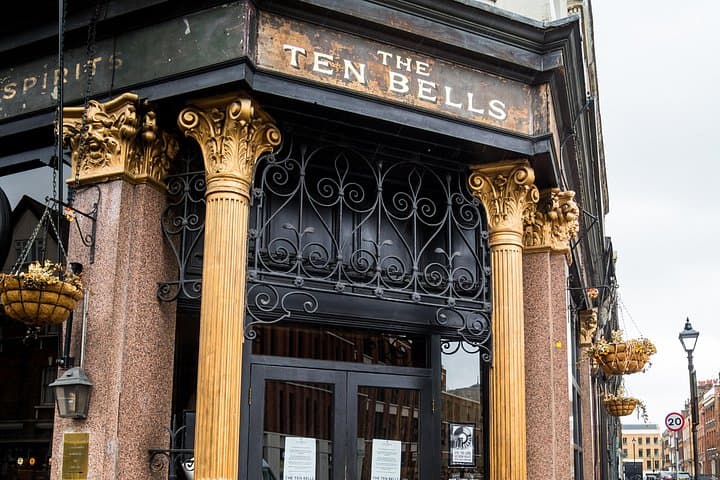
Expect a two-hour, primarily walking experience of short stops at the known sites of the canonical murders, including Ten Bells and backstreets where archival records place victims and witnesses. The guide will discuss evidence, suspects, and how modern forensics reframes old theories.
Practical guidance: wear sturdy walking shoes for uneven cobbles, layer for wind off the river, and bring a charged phone for maps and photos. The route uses public-transport-friendly starting points and is suitable for most fitness levels, but the historic streets can be narrow—those with mobility limitations should check in advance. Conversations can be graphic; the tour is history-first, not sensational performance.
Yes, older children and teens who can handle potentially graphic historical details and two hours of walking are welcome; infants in strollers are accommodated.
Tours may be canceled if minimum participant numbers aren’t met, but booking confirmation will indicate whether it proceeds—check the operator’s cancellation policy.
Stops are primarily outdoor at historical street locations; there may be brief indoor pauses at public houses or covered areas depending on the route and weather.
Much of the route uses narrow Victorian streets and uneven surfaces; travelers with mobility concerns should contact the operator in advance to discuss accessibility and potential alternatives.
Best Tours London operates guided outdoor trips and adventures with an emphasis on safety, stewardship, and memorable experiences.

A damp wind off the Thames threads through narrow lanes and seems to press the gaslight closer to the cobbles as your guide leads the group into Whitechapel’s evening hush.
A damp wind off the Thames threads through narrow lanes and seems to press the gaslight closer to the cobbles as your guide leads the group into Whitechapel’s evening hush.
The walk drops you into late-Victorian London: tight terraces, soot-dark brick, and alleys that still remember the city’s poor lighting and denser crowds. The guide separates myth from record—explaining police methods of the 1880s, contemporary press sensationalism, and the social conditions that left parts of the East End vulnerable.
Geology here is urban: built on river silts and marshy ground, the streets follow older paths by the Thames, with surviving Victorian brick and cobbles that reflect industrial-era expansion. Culturally, the tour connects the Ripper cases to immigration, labor exploitation, and rapidly changing public health policies that followed the outcry.
Expect a two-hour, primarily walking experience of short stops at the known sites of the canonical murders, including Ten Bells and backstreets where archival records place victims and witnesses. The guide will discuss evidence, suspects, and how modern forensics reframes old theories.
Practical guidance: wear sturdy walking shoes for uneven cobbles, layer for wind off the river, and bring a charged phone for maps and photos. The route uses public-transport-friendly starting points and is suitable for most fitness levels, but the historic streets can be narrow—those with mobility limitations should check in advance. Conversations can be graphic; the tour is history-first, not sensational performance.