THE ADVENTURE COLLECTIVE® · Independent discovery and booking for outdoor travel

Step out onto a narrow walkway suspended above the Guadalhorce and feel history underfoot. This guided Caminito del Rey tour combines exposed cliffside boardwalks, industrial heritage, and Andalusian limestone scenery in a focused 3-hour experience.
Step out onto a narrow walkway suspended above the Guadalhorce and feel history underfoot. This guided Caminito del Rey tour combines exposed cliffside boardwalks, industrial heritage, and Andalusian limestone scenery in a focused 3-hour experience.
The plank beneath your boot hums with history. Wind slips along the canyon and the Guadalhorce river, far below, dares you to look down. For an hour the world compresses to a narrow ribbon of boardwalk clinging to vertical limestone—three kilometres of suspended trail that thread the walls of Desfiladero de los Gaitanes. The guided Caminito del Rey tour begins at the North Access, and by the time you step off the last footbridge the landscape has rearranged the way you measure scale: cliffs that once fed hydroelectric ambition now frame a walk that is equal parts engineering and exposure.
Verified experiences and guided adventures in the surrounding area.
Operated by Discovering Spain · Ardales, Málaga
The plank beneath your boot hums with history. Wind slips along the canyon and the Guadalhorce river, far below, dares you to look down. For an hour the world compresses to a narrow ribbon of boardwalk clinging to vertical limestone—three kilometres of suspended trail that thread the walls of Desfiladero de los Gaitanes. The guided Caminito del Rey tour begins at the North Access, and by the time you step off the last footbridge the landscape has rearranged the way you measure scale: cliffs that once fed hydroelectric ambition now frame a walk that is equal parts engineering and exposure.
Built in the early 20th century as a walkway for workers servicing the Chorro hydroelectric plants, the original path fell into disrepair and gained a fearsome reputation. After a careful rehabilitation and reopening in 2015, the route keeps the memory of its industrial origins—sections of old masonry and ironwork peek out from scrub oak—while offering safe passage for modern visitors. Geologically, the gorge is classic Andalusian karst: limestone polished and scarred by millennia of river incision, vertical faces layered with fossilized marine deposits and wild pockets where choughs nest.
Culturally, Caminito sits between the small towns of Álora, Ardales and the train stop at El Chorro; the route has become a gateway for travelers who want the rawness of inland Málaga without long alpine approaches. The guide explains both the narrow human history—rail, hydroelectric power, daring maintenance crews—and the quieter natural history: how seasonal rains turn the river from a ribbon to a roar and how the cliffs host plant species adapted to thin soils and intense sun.
Practically: the tour is three hours total, covering roughly 3 km of the elevated walkway with sections skirting cliffs up to about 100 metres above the river. Groups max out near 30 people; the route is guided and requires a moderate level of fitness—expect steady walking and some exposure to heights. Tickets are mobile-friendly and you meet at the North Access point; the trail is one-way, so transport logistics matter. Bring 1–2 liters of water, sun protection, closed hiking shoes with grip, and a light wind layer. The trail is not recommended for pregnant travelers or those with serious back or heart conditions. If wind or heavy rain hits, operators may cancel for safety.
Timing makes a difference: morning light scours the canyon with contrast and keeps temperatures manageable in summer; late afternoon softens the cliffs for photography. The experience is both an adrenaline edge and an interpretive walk—engineered history riding the current of the river below.
The guided tour is approximately 3 hours and covers about 3 km of the elevated walkway, one-way through the Desfiladero de los Gaitanes.
Yes—tickets are timed and often sell out; book ahead and bring a mobile or printed ticket to the North Access meeting point.
The walkway is safe and secured with railings, but sections are exposed and up to 100 metres above the river; if you have severe acrophobia, this may be uncomfortable.
Small daypacks are allowed; large packs can be cumbersome. Tripods are discouraged due to narrow sections and crowds—use a lightweight monopod if necessary.
You can reach El Chorro by regional train and then either walk or transfer to the park access; many visitors drive from Málaga (about 1 hour).
Facilities are limited at access points—use restrooms before the tour and bring snacks as the guided visit has no food stops.
Discovering Spain operates guided outdoor trips and adventures with an emphasis on safety, stewardship, and memorable experiences.
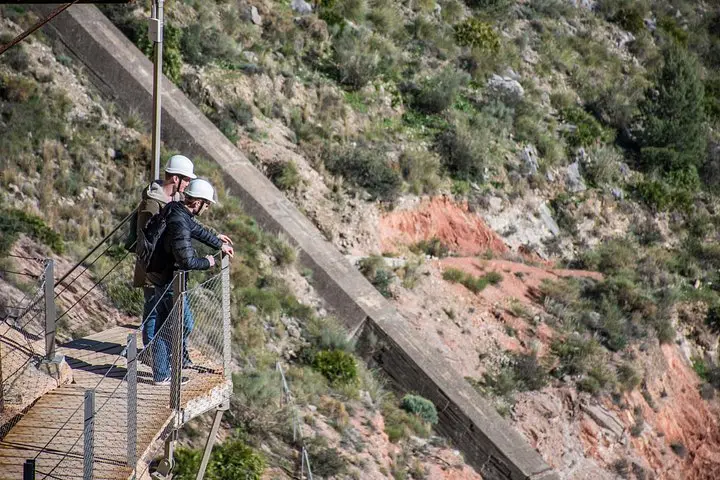
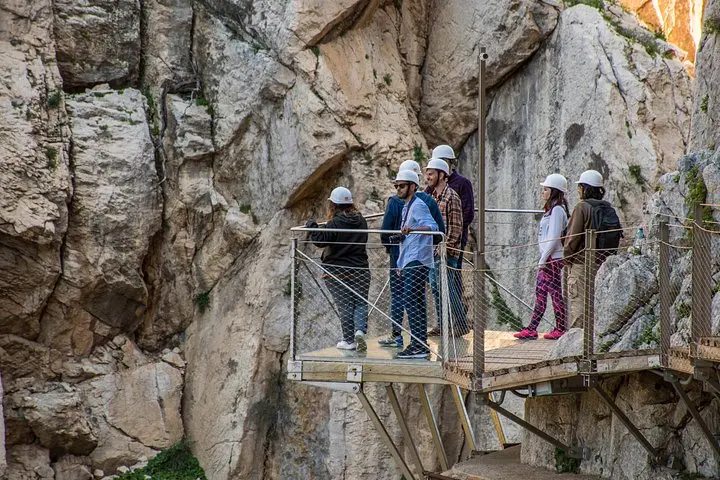
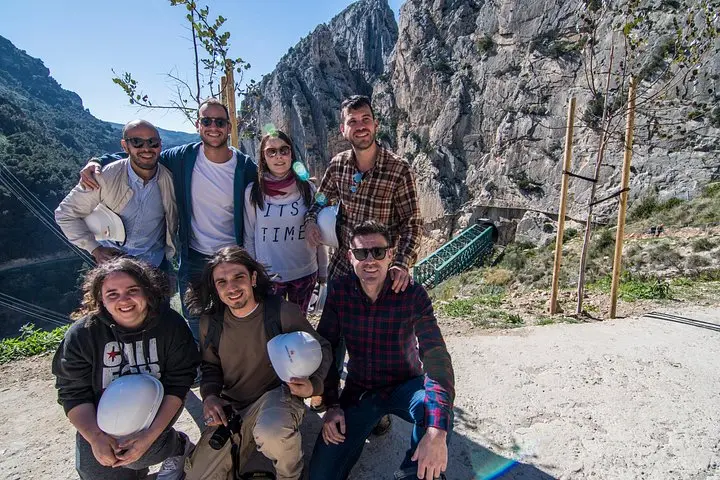
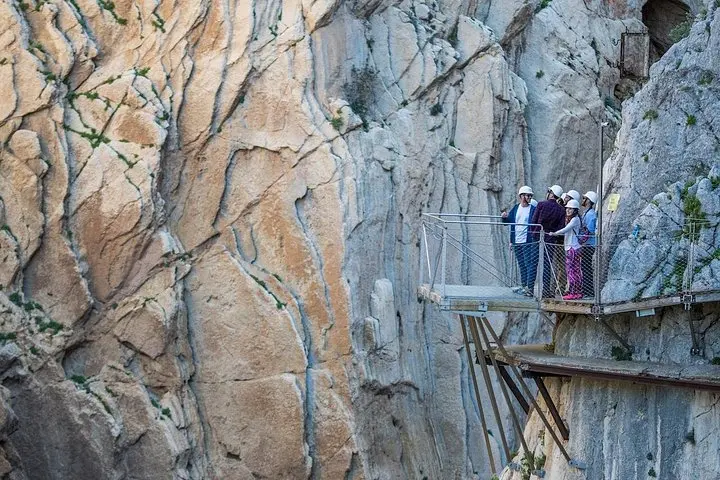
The plank beneath your boot hums with history. Wind slips along the canyon and the Guadalhorce river, far below, dares you to look down. For an hour the world compresses to a narrow ribbon of boardwalk clinging to vertical limestone—three kilometres of suspended trail that thread the walls of Desfiladero de los Gaitanes. The guided Caminito del Rey tour begins at the North Access, and by the time you step off the last footbridge the landscape has rearranged the way you measure scale: cliffs that once fed hydroelectric ambition now frame a walk that is equal parts engineering and exposure.
The plank beneath your boot hums with history. Wind slips along the canyon and the Guadalhorce river, far below, dares you to look down. For an hour the world compresses to a narrow ribbon of boardwalk clinging to vertical limestone—three kilometres of suspended trail that thread the walls of Desfiladero de los Gaitanes. The guided Caminito del Rey tour begins at the North Access, and by the time you step off the last footbridge the landscape has rearranged the way you measure scale: cliffs that once fed hydroelectric ambition now frame a walk that is equal parts engineering and exposure.
Built in the early 20th century as a walkway for workers servicing the Chorro hydroelectric plants, the original path fell into disrepair and gained a fearsome reputation. After a careful rehabilitation and reopening in 2015, the route keeps the memory of its industrial origins—sections of old masonry and ironwork peek out from scrub oak—while offering safe passage for modern visitors. Geologically, the gorge is classic Andalusian karst: limestone polished and scarred by millennia of river incision, vertical faces layered with fossilized marine deposits and wild pockets where choughs nest.
Culturally, Caminito sits between the small towns of Álora, Ardales and the train stop at El Chorro; the route has become a gateway for travelers who want the rawness of inland Málaga without long alpine approaches. The guide explains both the narrow human history—rail, hydroelectric power, daring maintenance crews—and the quieter natural history: how seasonal rains turn the river from a ribbon to a roar and how the cliffs host plant species adapted to thin soils and intense sun.
Practically: the tour is three hours total, covering roughly 3 km of the elevated walkway with sections skirting cliffs up to about 100 metres above the river. Groups max out near 30 people; the route is guided and requires a moderate level of fitness—expect steady walking and some exposure to heights. Tickets are mobile-friendly and you meet at the North Access point; the trail is one-way, so transport logistics matter. Bring 1–2 liters of water, sun protection, closed hiking shoes with grip, and a light wind layer. The trail is not recommended for pregnant travelers or those with serious back or heart conditions. If wind or heavy rain hits, operators may cancel for safety.
Timing makes a difference: morning light scours the canyon with contrast and keeps temperatures manageable in summer; late afternoon softens the cliffs for photography. The experience is both an adrenaline edge and an interpretive walk—engineered history riding the current of the river below.