THE ADVENTURE COLLECTIVE® · Independent discovery and booking for outdoor travel

Stand at the lip of one of the world's great waterfalls and let the spray and sound reframe scale. This guided walk through the Victoria Falls rainforest visits 16 viewpoints, combining geology, history and practical tips for a safe, memorable visit.
Stand at the lip of one of the world's great waterfalls and let the spray and sound reframe scale. This guided walk through the Victoria Falls rainforest visits 16 viewpoints, combining geology, history and practical tips for a safe, memorable visit.
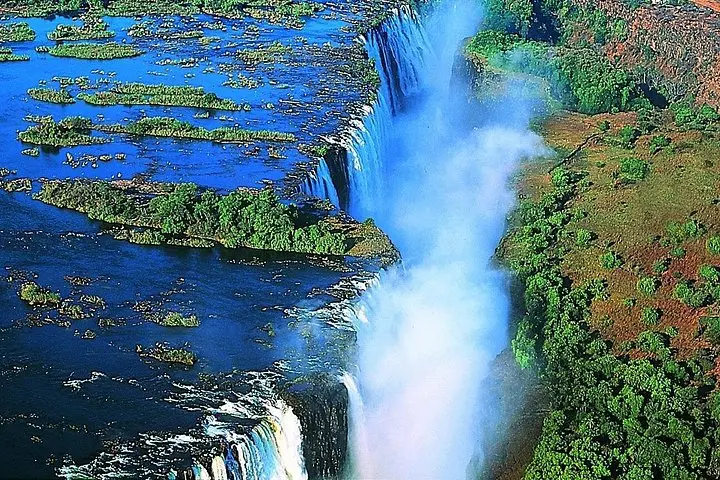
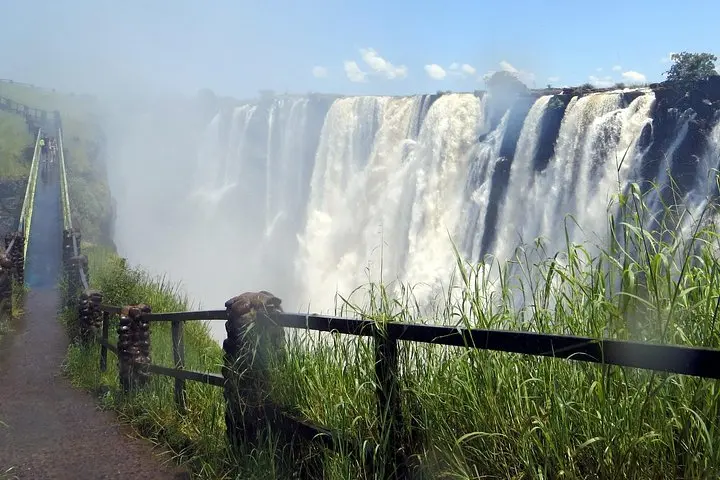
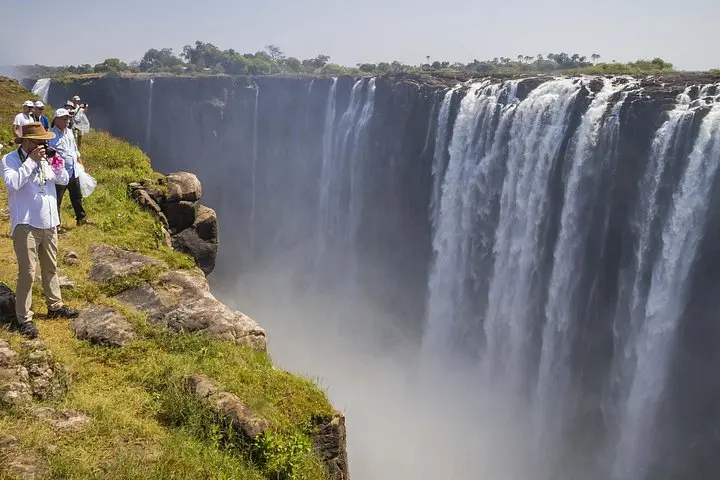
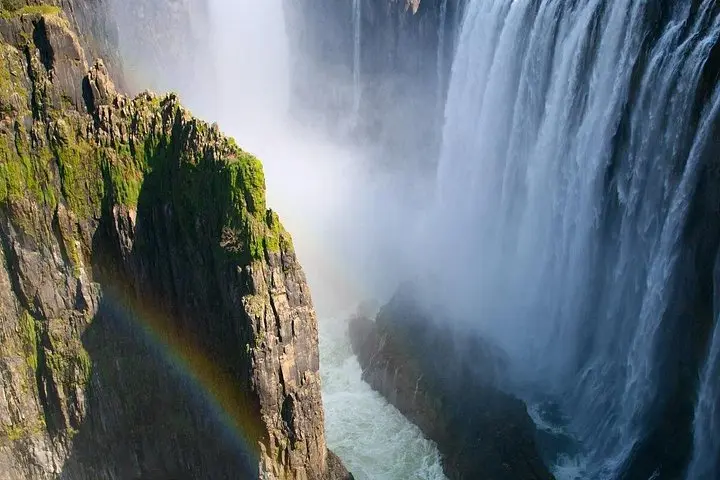
You step from the shaded path into a curtain of spray and the earth answers with a low, continuous roar—Mosi-oa-Tunya, the Smoke that Thunders. On the Zimbabwean side the trail threads through a humid rainforest, each viewpoint framing a different gesture of the Zambezi: plunging sheets, boiling eddies, and the slender arc of rainbows thrown crosswise through the mist.
Verified experiences and guided adventures in the surrounding area.
Operated by Africa Beast Safaris · Victoria Falls, Matabeleland North
You step from the shaded path into a curtain of spray and the earth answers with a low, continuous roar—Mosi-oa-Tunya, the Smoke that Thunders. On the Zimbabwean side the trail threads through a humid rainforest, each viewpoint framing a different gesture of the Zambezi: plunging sheets, boiling eddies, and the slender arc of rainbows thrown crosswise through the mist.
This is a place written into geology—river and basalt working over millennia to carve a 1.7-kilometre chasm—and into human history. The Tonga named the falls for its voice; David Livingstone’s 19th-century reports brought global attention and later colonial infrastructure. Today the site is shared between Zimbabwe and Zambia, with Livingstone Island, the Boiling Pot and Horseshoe Falls among the mapped viewpoints.
Practical guidance is straightforward: plan 3–4 hours to move between 16 official viewpoints at a relaxed pace, allowing for camera stops and the spray that soaks boots and jacket alike. Trails are well maintained but wet and slippery—grip soles are essential and a lightweight waterproof layer will pay dividends. Morning light cuts through the mist for the best photos; late afternoon brings warmer colours and fewer crowds. Expect accessible paths in many sections, bottled water and an air-conditioned transfer included on organized tours, and a professional guide to orient you to geology, local culture, and safety boundaries. Devils Pool is visible from across the gorge on the Zambian side, but access is seasonal and separate.
Respect marked paths, carry out waste, and give the rainforest space to breathe—this is a loud, living place that rewards quiet attention.
The tour lists 'All Fees and Taxes' in its inclusions, so entrance and standard fees are covered—confirm at booking for any optional extras.
Many viewpoints and the transfer vehicle are wheelchair accessible, but some trails include steps and wet surfaces; advise organizers of mobility needs when booking.
Peak flow is typically late in the rainy season (around April–May); heavy flow increases spray and can obscure distant views but creates dramatic sight and sound.
Devil’s Pool is on the Zambian side and is seasonal and separate from this Zimbabwean viewpoint tour; you can often see visitors on it from certain lookouts.
Africa Beast Safaris operates guided outdoor trips and adventures with an emphasis on safety, stewardship, and memorable experiences.
You step from the shaded path into a curtain of spray and the earth answers with a low, continuous roar—Mosi-oa-Tunya, the Smoke that Thunders. On the Zimbabwean side the trail threads through a humid rainforest, each viewpoint framing a different gesture of the Zambezi: plunging sheets, boiling eddies, and the slender arc of rainbows thrown crosswise through the mist.
You step from the shaded path into a curtain of spray and the earth answers with a low, continuous roar—Mosi-oa-Tunya, the Smoke that Thunders. On the Zimbabwean side the trail threads through a humid rainforest, each viewpoint framing a different gesture of the Zambezi: plunging sheets, boiling eddies, and the slender arc of rainbows thrown crosswise through the mist.
This is a place written into geology—river and basalt working over millennia to carve a 1.7-kilometre chasm—and into human history. The Tonga named the falls for its voice; David Livingstone’s 19th-century reports brought global attention and later colonial infrastructure. Today the site is shared between Zimbabwe and Zambia, with Livingstone Island, the Boiling Pot and Horseshoe Falls among the mapped viewpoints.
Practical guidance is straightforward: plan 3–4 hours to move between 16 official viewpoints at a relaxed pace, allowing for camera stops and the spray that soaks boots and jacket alike. Trails are well maintained but wet and slippery—grip soles are essential and a lightweight waterproof layer will pay dividends. Morning light cuts through the mist for the best photos; late afternoon brings warmer colours and fewer crowds. Expect accessible paths in many sections, bottled water and an air-conditioned transfer included on organized tours, and a professional guide to orient you to geology, local culture, and safety boundaries. Devils Pool is visible from across the gorge on the Zambian side, but access is seasonal and separate.
Respect marked paths, carry out waste, and give the rainforest space to breathe—this is a loud, living place that rewards quiet attention.