THE ADVENTURE COLLECTIVE® · Independent discovery and booking for outdoor travel

Walk the boulevards where Berlin's 1920s night scene exploded into cabarets, queer meeting places and grand department stores. This two-hour City-West tour maps cultural highs and social upheaval with on-street storytelling and close-up historic sites.
Walk the boulevards where Berlin's 1920s night scene exploded into cabarets, queer meeting places and grand department stores. This two-hour City-West tour maps cultural highs and social upheaval with on-street storytelling and close-up historic sites.
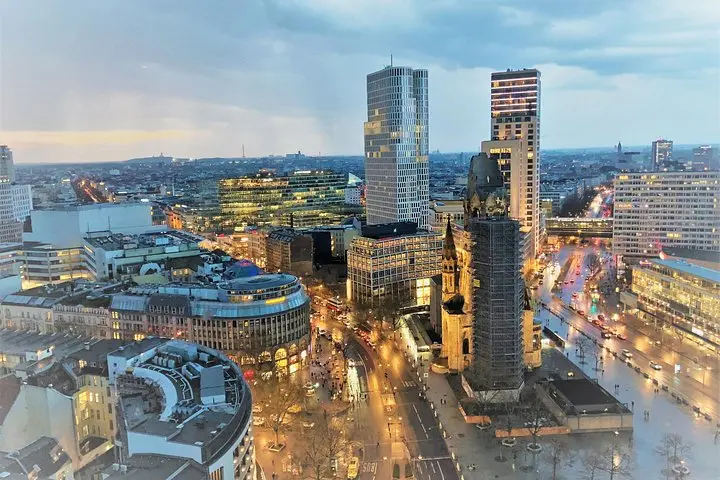
Step off Kurfürstendamm and the present slips; shopfronts and tenement façades still keep the rhythm of a city that danced through the night. The guide leads you past the Kaiser Wilhelm Memorial Church, through the shadowed curve of Bahnhof Zoo, and down streets where signs once flashed "This is the place" over the Eldorado. Street noise and tram bells puncture stories of cabarets, cinema palaces and the queer scenes that rewrote Berlin's social map.
Verified experiences and guided adventures in the surrounding area.
Operated by Freizeit-und Reiseclub Berlin · Berlin, Berlin
Step off Kurfürstendamm and the present slips; shopfronts and tenement façades still keep the rhythm of a city that danced through the night. The guide leads you past the Kaiser Wilhelm Memorial Church, through the shadowed curve of Bahnhof Zoo, and down streets where signs once flashed "This is the place" over the Eldorado. Street noise and tram bells puncture stories of cabarets, cinema palaces and the queer scenes that rewrote Berlin's social map.
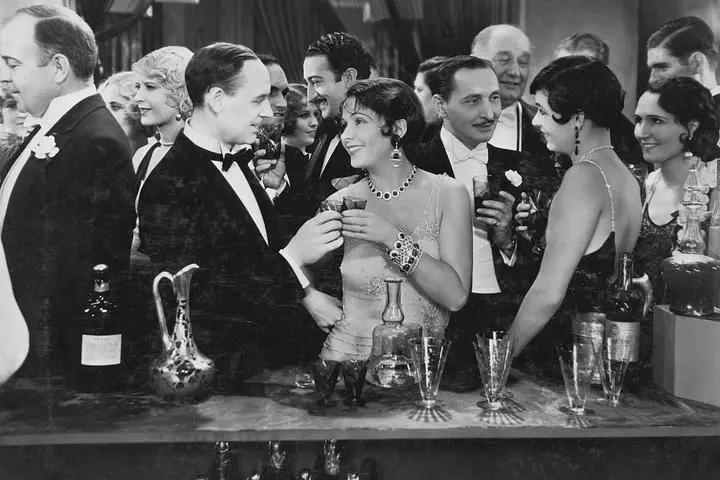
Berlin after World War I became a pressure cooker of invention and excess. On this two-hour walk you trace layers of history: grand department store windows at KaDeWe that imported Parisian fashion, the open-air theatrics of the Femina Palace, and the old Scala where international performers drew crowds. Geologically flat and built on marshy plains, the city’s layout favors broad boulevards and pocket plazas that hosted impromptu gatherings; culturally, it was a magnet for artists, performers and those pushed to the margins.
Expect close-up urban history rather than museum displays: plaques, preserved façades and narrow alleys that tell louder stories than any single landmark. Practical notes: the route is mostly paved with short standing periods; bring comfortable shoes, a transport card and a jacket for evening breeze. Photography is common but be respectful around memorials and private residences. End the tour with a stop at the KaDeWe food floor or a café on the Kurfürstendamm to taste how commerce and nightlife once converged into a public spectacle.
Yes — the provider lists the tour as wheelchair and stroller accessible; contact the operator ahead to confirm specific meeting-point access.
No — the tour focuses on exterior stories and selected stops; museum or venue admissions are not included unless specified on booking.
Language options are listed at booking — check the product page before purchase to confirm guide language availability.
Layered clothing and a light rain jacket are recommended year-round; summers can be warm, while autumn and winter are cooler with wind.
Freizeit-und Reiseclub Berlin operates guided outdoor trips and adventures with an emphasis on safety, stewardship, and memorable experiences.

Step off Kurfürstendamm and the present slips; shopfronts and tenement façades still keep the rhythm of a city that danced through the night. The guide leads you past the Kaiser Wilhelm Memorial Church, through the shadowed curve of Bahnhof Zoo, and down streets where signs once flashed "This is the place" over the Eldorado. Street noise and tram bells puncture stories of cabarets, cinema palaces and the queer scenes that rewrote Berlin's social map.
Step off Kurfürstendamm and the present slips; shopfronts and tenement façades still keep the rhythm of a city that danced through the night. The guide leads you past the Kaiser Wilhelm Memorial Church, through the shadowed curve of Bahnhof Zoo, and down streets where signs once flashed "This is the place" over the Eldorado. Street noise and tram bells puncture stories of cabarets, cinema palaces and the queer scenes that rewrote Berlin's social map.
Berlin after World War I became a pressure cooker of invention and excess. On this two-hour walk you trace layers of history: grand department store windows at KaDeWe that imported Parisian fashion, the open-air theatrics of the Femina Palace, and the old Scala where international performers drew crowds. Geologically flat and built on marshy plains, the city’s layout favors broad boulevards and pocket plazas that hosted impromptu gatherings; culturally, it was a magnet for artists, performers and those pushed to the margins.
Expect close-up urban history rather than museum displays: plaques, preserved façades and narrow alleys that tell louder stories than any single landmark. Practical notes: the route is mostly paved with short standing periods; bring comfortable shoes, a transport card and a jacket for evening breeze. Photography is common but be respectful around memorials and private residences. End the tour with a stop at the KaDeWe food floor or a café on the Kurfürstendamm to taste how commerce and nightlife once converged into a public spectacle.