THE ADVENTURE COLLECTIVE® · Independent discovery and booking for outdoor travel

Three archaeological sites in one day: discover seaside villas, imperial frescoes and urban Pompeii on an 8-hour private tour from Naples. Expect uneven Roman streets, vivid artifacts and concentrated history.
Three archaeological sites in one day: discover seaside villas, imperial frescoes and urban Pompeii on an 8-hour private tour from Naples. Expect uneven Roman streets, vivid artifacts and concentrated history.
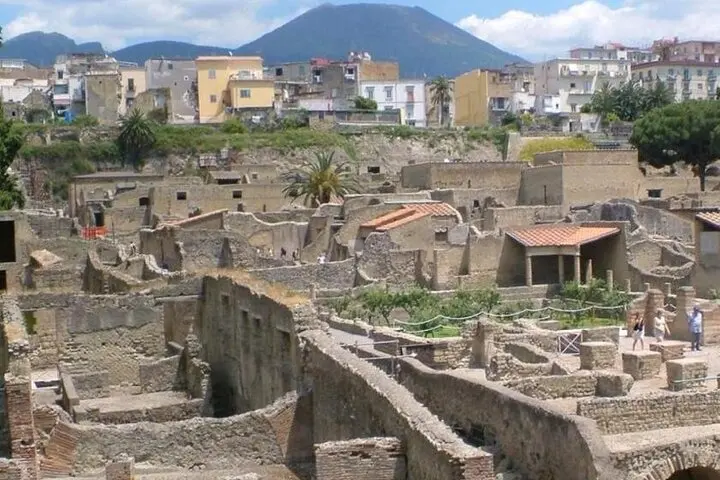
Steam still lifts from the Gulf of Naples as the van eases away from the city, and the silhouette of Vesuvius keeps time with the road. By midmorning the air smells faintly of dust and lemon trees; columns, mosaics and sun-browned walls begin to appear, and the past feels like another climate you are about to cross into.
Verified experiences and guided adventures in the surrounding area.
Operated by amalficoastbygio · Pompeii, Campania
Steam still lifts from the Gulf of Naples as the van eases away from the city, and the silhouette of Vesuvius keeps time with the road. By midmorning the air smells faintly of dust and lemon trees; columns, mosaics and sun-browned walls begin to appear, and the past feels like another climate you are about to cross into.
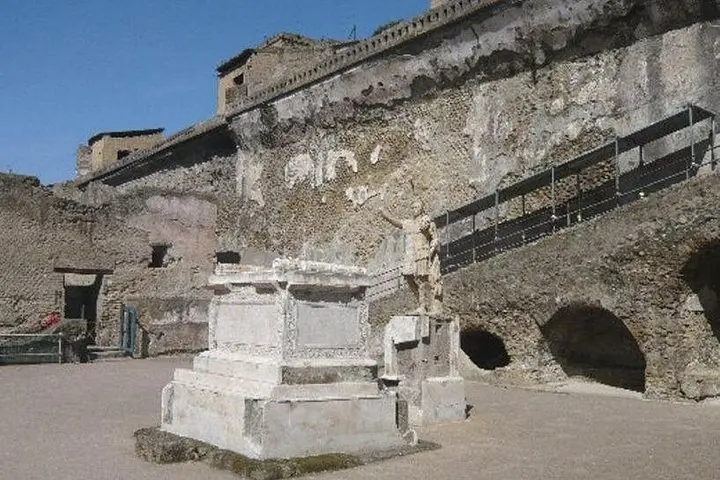
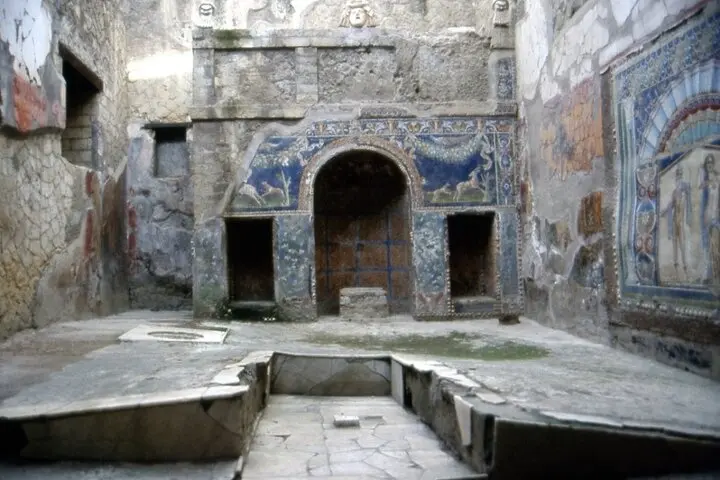
The route visits three distinct responses to the 79 AD eruption. Herculaneum preserves the shoreline villas of Rome’s elite—compact, timber-preserved interiors that reveal domestic life. Oplontis offers a single, sumptuous villa with frescoed rooms and a garden plan that reads like an imperial holiday home. Pompeii, the broadest and most studied, lays out streets, shops and public baths; its volcanic burial preserved urban texture and social details archaeologists still unpack.
Geologically, the ash and pyroclastics from Vesuvius created both the catastrophe and the preservation; the same surge that erased neighborhoods sealed them in oxygen-poor layers that stopped decay. Culturally, these sites map Roman daily life across class lines—from wealthy seafront retreats to working-class bakeries.
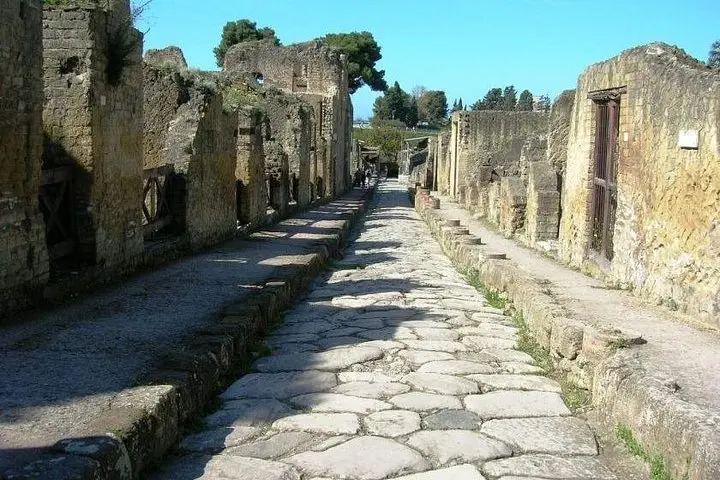
Practicalities: expect paved Roman streets, uneven stones and some stairs; comfortable hiking shoes and a light daypack will make the day manageable. The standard itinerary gives about 90 minutes at Herculaneum, 60 at Oplontis, and two hours at Pompeii, with transport between sites.
Plan for sun and little shade in summer, bring bottled water, and allow time to focus on details—mosaic floors, graffiti, and the abrupt edges of ruined façades. This is a close walk with history where architecture still argues with the sea.
The tour is roughly 8 hours: about 90 minutes at Herculaneum, 60 minutes at Oplontis, and approximately two hours at Pompeii, plus driving time.
Some areas offer limited access; Herculaneum and parts of Pompeii have uneven surfaces and steps—check specific accessibility options before booking.
This itinerary provides a private driver who offers local history and context, but it does not include a dedicated archaeologist guide unless specified by the operator.
Yes—mobile or paper tickets are accepted; bring ID and any booking confirmation for site entry.
amalficoastbygio operates guided outdoor trips and adventures with an emphasis on safety, stewardship, and memorable experiences.
Steam still lifts from the Gulf of Naples as the van eases away from the city, and the silhouette of Vesuvius keeps time with the road. By midmorning the air smells faintly of dust and lemon trees; columns, mosaics and sun-browned walls begin to appear, and the past feels like another climate you are about to cross into.
Steam still lifts from the Gulf of Naples as the van eases away from the city, and the silhouette of Vesuvius keeps time with the road. By midmorning the air smells faintly of dust and lemon trees; columns, mosaics and sun-browned walls begin to appear, and the past feels like another climate you are about to cross into.
The route visits three distinct responses to the 79 AD eruption. Herculaneum preserves the shoreline villas of Rome’s elite—compact, timber-preserved interiors that reveal domestic life. Oplontis offers a single, sumptuous villa with frescoed rooms and a garden plan that reads like an imperial holiday home. Pompeii, the broadest and most studied, lays out streets, shops and public baths; its volcanic burial preserved urban texture and social details archaeologists still unpack.
Geologically, the ash and pyroclastics from Vesuvius created both the catastrophe and the preservation; the same surge that erased neighborhoods sealed them in oxygen-poor layers that stopped decay. Culturally, these sites map Roman daily life across class lines—from wealthy seafront retreats to working-class bakeries.
Practicalities: expect paved Roman streets, uneven stones and some stairs; comfortable hiking shoes and a light daypack will make the day manageable. The standard itinerary gives about 90 minutes at Herculaneum, 60 at Oplontis, and two hours at Pompeii, with transport between sites.
Plan for sun and little shade in summer, bring bottled water, and allow time to focus on details—mosaic floors, graffiti, and the abrupt edges of ruined façades. This is a close walk with history where architecture still argues with the sea.