THE ADVENTURE COLLECTIVE® · Independent discovery and booking for outdoor travel

Explore Washington’s Civil War heartbeat on a focused two-hour walk that visits Clara Barton’s office, the National Portrait Gallery’s wartime galleries, Ford’s Theatre, and the Petersen House. Learn battlefield politics, medical responses, and the story of Lincoln’s assassination with a guide.
Explore Washington’s Civil War heartbeat on a focused two-hour walk that visits Clara Barton’s office, the National Portrait Gallery’s wartime galleries, Ford’s Theatre, and the Petersen House. Learn battlefield politics, medical responses, and the story of Lincoln’s assassination with a guide.
The city crowds thin to a focused step as the guide threads the group from D Street toward the Portrait Gallery, the pavement clicking under boots like a conductor marking a march. Stone facades lean in; traffic lights blink like punctuation. This semi-private walking tour moves at a conversational pace, putting the Civil War’s imprint on Washington into clear relief—Capitol steps that once organized troops, hospital rooms repurposed as galleries, and a narrow boarding house where a president breathed his last.
Verified experiences and guided adventures in the surrounding area.
Operated by Unscripted Tours · Washington, District of Columbia
The city crowds thin to a focused step as the guide threads the group from D Street toward the Portrait Gallery, the pavement clicking under boots like a conductor marking a march. Stone facades lean in; traffic lights blink like punctuation. This semi-private walking tour moves at a conversational pace, putting the Civil War’s imprint on Washington into clear relief—Capitol steps that once organized troops, hospital rooms repurposed as galleries, and a narrow boarding house where a president breathed his last.
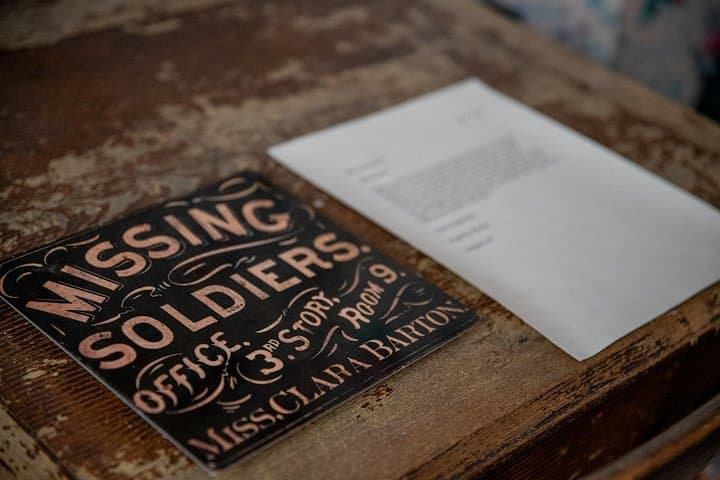
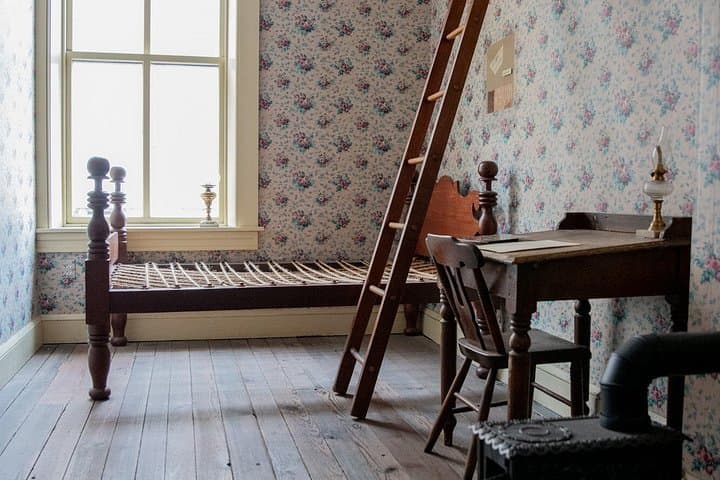
Washington’s urban fabric—L’Enfant’s orthogonal plan carved into low Atlantic coastal plain—framed political theater during the 1860s. The tour visits Clara Barton’s Missing Soldiers Office, a working hub of wartime medicine and civilian care, then the National Portrait Gallery housed in a building that served as a wartime hospital and social center. Guides contextualize key figures, logistics of mobilization, and the assassination plot that ended at Ford’s Theatre and the Petersen House.
Expect layered storytelling: social history, architectural clues in brick and limestone, and civic memory stitched into statues and plaques. Local culture leans toward reverence; many sites enforce quiet, photography, and timed entry.
Practical guidance: wear cushioned shoes for roughly two miles of mostly flat pavement, bring a refillable water bottle (bottled water may be provided), and plan for security screening at museum entrances. Midday tours hit peak pedestrian traffic—early or late sessions are calmer. The experience is accessible for most mobility levels, but check specific wheelchair access notes in advance. With a knowledgeable guide, the walk turns familiar streets into a compact Civil War classroom—precise, human, and immediate.
The tour begins near the corner of D and 7th Streets NW at the operator storefront; it concludes at the Petersen Boarding House near Ford’s Theatre.
Yes—many route surfaces and venues are wheelchair accessible, but notify the operator during booking to confirm accommodations.
Admission to the Petersen House is included as described; other museum entries visited from outside do not require separate tickets for this tour.
Infants and small children in strollers are accommodated, but keep in mind stairs and tight interiors at some historic sites.
Unscripted Tours operates guided outdoor trips and adventures with an emphasis on safety, stewardship, and memorable experiences.


The city crowds thin to a focused step as the guide threads the group from D Street toward the Portrait Gallery, the pavement clicking under boots like a conductor marking a march. Stone facades lean in; traffic lights blink like punctuation. This semi-private walking tour moves at a conversational pace, putting the Civil War’s imprint on Washington into clear relief—Capitol steps that once organized troops, hospital rooms repurposed as galleries, and a narrow boarding house where a president breathed his last.
The city crowds thin to a focused step as the guide threads the group from D Street toward the Portrait Gallery, the pavement clicking under boots like a conductor marking a march. Stone facades lean in; traffic lights blink like punctuation. This semi-private walking tour moves at a conversational pace, putting the Civil War’s imprint on Washington into clear relief—Capitol steps that once organized troops, hospital rooms repurposed as galleries, and a narrow boarding house where a president breathed his last.
Washington’s urban fabric—L’Enfant’s orthogonal plan carved into low Atlantic coastal plain—framed political theater during the 1860s. The tour visits Clara Barton’s Missing Soldiers Office, a working hub of wartime medicine and civilian care, then the National Portrait Gallery housed in a building that served as a wartime hospital and social center. Guides contextualize key figures, logistics of mobilization, and the assassination plot that ended at Ford’s Theatre and the Petersen House.
Expect layered storytelling: social history, architectural clues in brick and limestone, and civic memory stitched into statues and plaques. Local culture leans toward reverence; many sites enforce quiet, photography, and timed entry.
Practical guidance: wear cushioned shoes for roughly two miles of mostly flat pavement, bring a refillable water bottle (bottled water may be provided), and plan for security screening at museum entrances. Midday tours hit peak pedestrian traffic—early or late sessions are calmer. The experience is accessible for most mobility levels, but check specific wheelchair access notes in advance. With a knowledgeable guide, the walk turns familiar streets into a compact Civil War classroom—precise, human, and immediate.