THE ADVENTURE COLLECTIVE® · Independent discovery and booking for outdoor travel

Trace two centuries of Bangalore history on a two‑hour guided walk from Tipu Sultan’s Summer Palace to the remnants of Bangalore Fort. Expect close-up architecture, market life, and practical tips for timing, transport and comfort.
Trace two centuries of Bangalore history on a two‑hour guided walk from Tipu Sultan’s Summer Palace to the remnants of Bangalore Fort. Expect close-up architecture, market life, and practical tips for timing, transport and comfort.
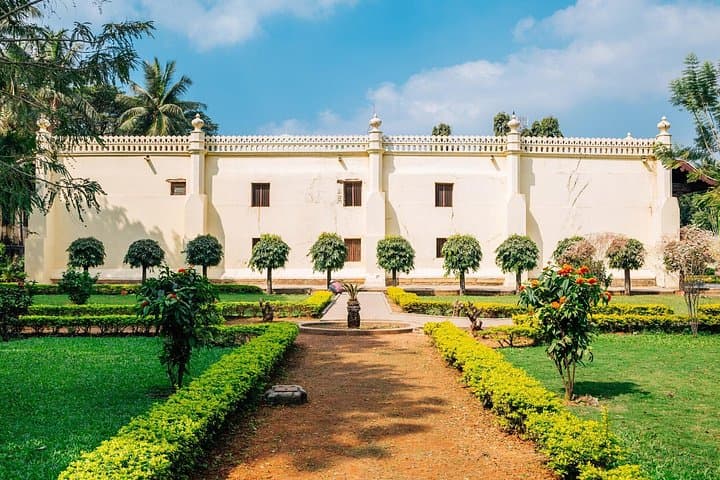
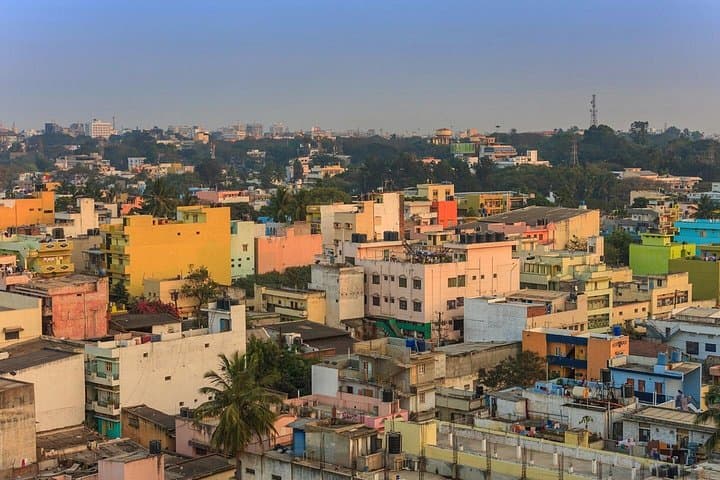
The morning air along the old city lanes feels alive—autowallas call, tea steam curls off roadside cups, and the carved wooden eaves of Tipu Sultan’s Summer Palace throw cool shade across a narrow street. On a two-hour guided walk you move from that lacquered palace into the low-lying stone of Bangalore Fort and past the remnant armoury, each stop a chapter of a city that shifted from Mysore kingdom seat to British cantonment and modern tech hub.
Verified experiences and guided adventures in the surrounding area.
Operated by Yo Tours · Bengaluru, Karnataka
The morning air along the old city lanes feels alive—autowallas call, tea steam curls off roadside cups, and the carved wooden eaves of Tipu Sultan’s Summer Palace throw cool shade across a narrow street. On a two-hour guided walk you move from that lacquered palace into the low-lying stone of Bangalore Fort and past the remnant armoury, each stop a chapter of a city that shifted from Mysore kingdom seat to British cantonment and modern tech hub.
The route threads 18th-century Mughal-influenced architecture, colonial-period market blocks and living neighborhoods where food stalls keep the pace human. Tipu’s Summer Palace is an example of Indo-Islamic woodwork and ornate interiors; the nearby armoury and ruined ramparts of Bangalore Fort speak to sieges and political change in the late 1700s. Geologically the area sits on the ancient Deccan Plateau—granite underfoot, thin soils, and banyan trees rooted in crowded courtyards.
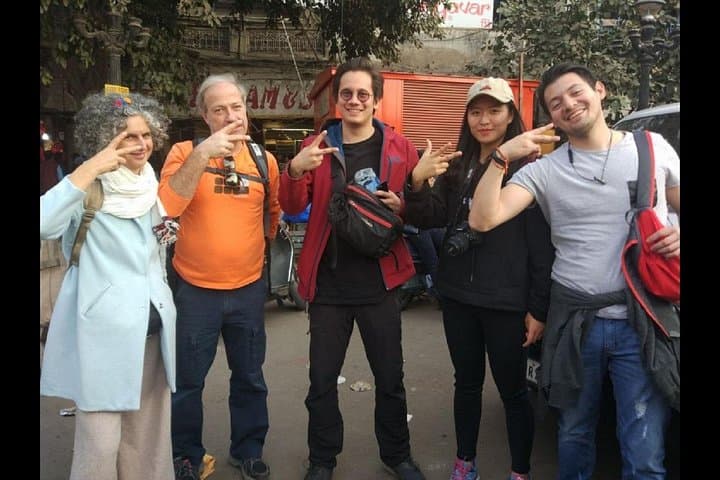
Expect narrow sidewalks, brief stair sections and lots of visual detail rather than strenuous climbs. Practical planning: start in the cooler morning hours to avoid traffic and heat, bring a refillable water bottle and comfortable closed-toe shoes, and leave room to sip a local filter coffee after the walk (tea/coffee is often included). Public transport and rickshaws are nearby, and small-group sizes keep the experience conversational. Respect museum rules at the palace, arrive with ID (ticketing may require names), and be ready to pause often—the guide’s stories transform stones into lived history.
The tour is approximately two hours and typically covers 2–3 kilometers on city streets with frequent stops for talking and photography.
The walk visits the exterior and main rooms; admission policies vary—check the operator’s booking page for whether entry fees are included.
Yes—routes are low-intensity but involve walking and some brief stairs; notify the operator of mobility needs when booking.
Most public tours run in English; private bookings or specific departures may offer other languages—confirm at booking.
Yo Tours operates guided outdoor trips and adventures with an emphasis on safety, stewardship, and memorable experiences.

The morning air along the old city lanes feels alive—autowallas call, tea steam curls off roadside cups, and the carved wooden eaves of Tipu Sultan’s Summer Palace throw cool shade across a narrow street. On a two-hour guided walk you move from that lacquered palace into the low-lying stone of Bangalore Fort and past the remnant armoury, each stop a chapter of a city that shifted from Mysore kingdom seat to British cantonment and modern tech hub.
The morning air along the old city lanes feels alive—autowallas call, tea steam curls off roadside cups, and the carved wooden eaves of Tipu Sultan’s Summer Palace throw cool shade across a narrow street. On a two-hour guided walk you move from that lacquered palace into the low-lying stone of Bangalore Fort and past the remnant armoury, each stop a chapter of a city that shifted from Mysore kingdom seat to British cantonment and modern tech hub.
The route threads 18th-century Mughal-influenced architecture, colonial-period market blocks and living neighborhoods where food stalls keep the pace human. Tipu’s Summer Palace is an example of Indo-Islamic woodwork and ornate interiors; the nearby armoury and ruined ramparts of Bangalore Fort speak to sieges and political change in the late 1700s. Geologically the area sits on the ancient Deccan Plateau—granite underfoot, thin soils, and banyan trees rooted in crowded courtyards.
Expect narrow sidewalks, brief stair sections and lots of visual detail rather than strenuous climbs. Practical planning: start in the cooler morning hours to avoid traffic and heat, bring a refillable water bottle and comfortable closed-toe shoes, and leave room to sip a local filter coffee after the walk (tea/coffee is often included). Public transport and rickshaws are nearby, and small-group sizes keep the experience conversational. Respect museum rules at the palace, arrive with ID (ticketing may require names), and be ready to pause often—the guide’s stories transform stones into lived history.