THE ADVENTURE COLLECTIVE® · Independent discovery and booking for outdoor travel

Walk Old Town Alexandria with a Washington expert and visit exterior sites tied to his life — from taverns and townhomes to churches and market squares. This 90‑minute route combines street‑level history with accessible, outdoors interpretation.
Walk Old Town Alexandria with a Washington expert and visit exterior sites tied to his life — from taverns and townhomes to churches and market squares. This 90‑minute route combines street‑level history with accessible, outdoors interpretation.
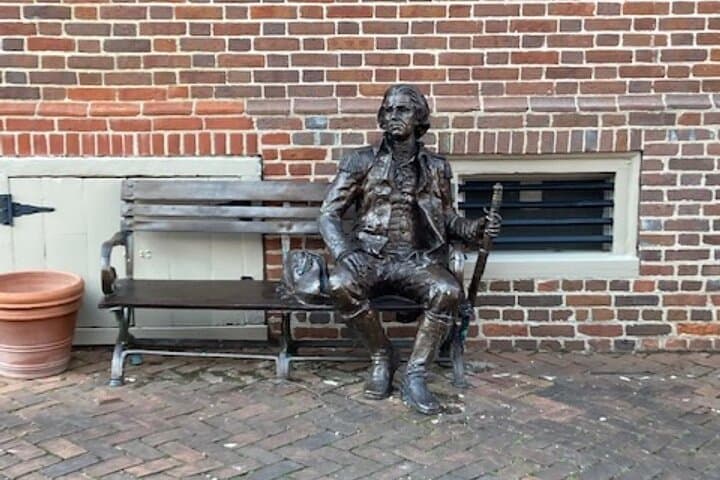
You step out onto King Street and the city exhales history: brick storefronts, a bronze statue tucked into a municipal garden, and the low rumble of the Potomac just off the map. This 90‑minute walking tour threads Old Town Alexandria’s streets, stopping where George Washington lived, worshipped, dined, and did business — all without entering the preserved interiors.
Verified experiences and guided adventures in the surrounding area.
Operated by Alexandria History Tours · Alexandria, Virginia
You step out onto King Street and the city exhales history: brick storefronts, a bronze statue tucked into a municipal garden, and the low rumble of the Potomac just off the map. This 90‑minute walking tour threads Old Town Alexandria’s streets, stopping where George Washington lived, worshipped, dined, and did business — all without entering the preserved interiors.
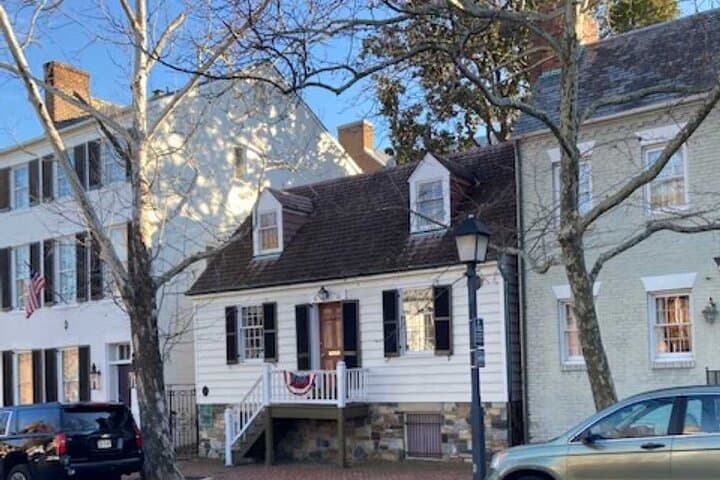
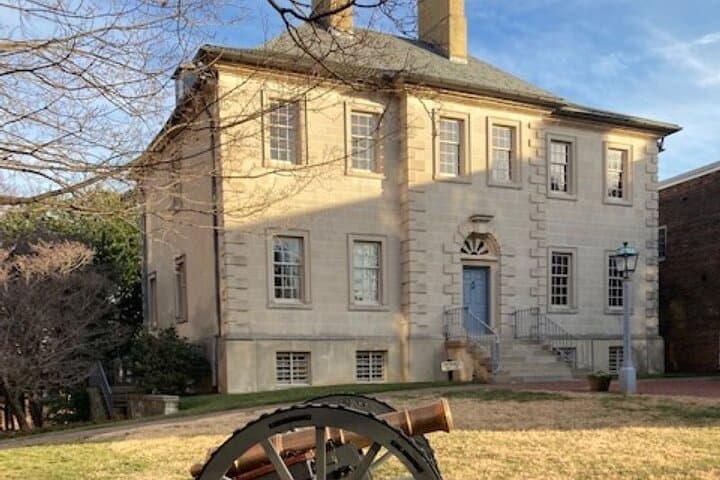
Alexandria began as an 18th‑century port and mercantile hub tied directly to Washington’s Mount Vernon estate. The route traces the commercial veins that moved tobacco, wheat, and household goods to market and explores Washington’s roles as surveyor, military leader, president, and planter. Geologically the area sits on Piedmont bluffs above the tidal Potomac; the walk is flat but framed by sandstone and brick facades that reflect the city’s colonial and Federal period architecture.
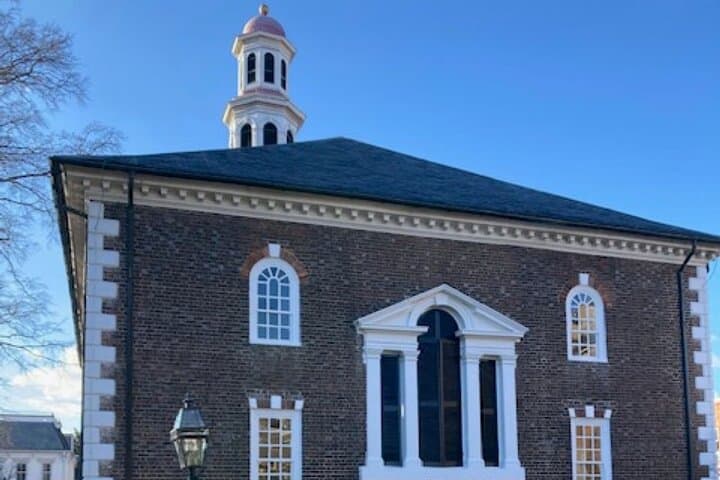
Culturally, Old Town keeps a civic, small‑port character: tavern thresholds still mark public debate venues, churches like Christ Church speak to Anglican networks that shaped colonial leadership, and market squares remain active meeting places.
Practical guidance: meet at 300 King St by the garden statue; wear comfortable walking shoes for paved sidewalks, bring water and sun protection for summer, and layer for unpredictable spring and fall weather. The tour is stroller and wheelchair accessible and suitable for most fitness levels; interiors are not included, so the experience focuses on streetside interpretation and storytelling. Arrive 10 minutes early to check in and save questions for the expert guide — they make the era and Washington’s complexities come alive without the museum line.
No — this tour focuses on exterior stops and street‑level interpretation; some sites like Christ Church may be entered only if open and permitted.
Yes — sidewalks and meeting areas on King Street are wheelchair and stroller accessible; notify the operator of special requirements when booking.
Meet at 300 King St by the garden and statue on the right side of Market Square when facing City Hall; go inside the white building corner at King and Fairfax to check in if needed.
Public restrooms are available in nearby businesses and at select public buildings, but plan ahead as the guide will focus on walking and interpretation rather than restroom stops.
Alexandria History Tours operates guided outdoor trips and adventures with an emphasis on safety, stewardship, and memorable experiences.
You step out onto King Street and the city exhales history: brick storefronts, a bronze statue tucked into a municipal garden, and the low rumble of the Potomac just off the map. This 90‑minute walking tour threads Old Town Alexandria’s streets, stopping where George Washington lived, worshipped, dined, and did business — all without entering the preserved interiors.
You step out onto King Street and the city exhales history: brick storefronts, a bronze statue tucked into a municipal garden, and the low rumble of the Potomac just off the map. This 90‑minute walking tour threads Old Town Alexandria’s streets, stopping where George Washington lived, worshipped, dined, and did business — all without entering the preserved interiors.
Alexandria began as an 18th‑century port and mercantile hub tied directly to Washington’s Mount Vernon estate. The route traces the commercial veins that moved tobacco, wheat, and household goods to market and explores Washington’s roles as surveyor, military leader, president, and planter. Geologically the area sits on Piedmont bluffs above the tidal Potomac; the walk is flat but framed by sandstone and brick facades that reflect the city’s colonial and Federal period architecture.
Culturally, Old Town keeps a civic, small‑port character: tavern thresholds still mark public debate venues, churches like Christ Church speak to Anglican networks that shaped colonial leadership, and market squares remain active meeting places.
Practical guidance: meet at 300 King St by the garden statue; wear comfortable walking shoes for paved sidewalks, bring water and sun protection for summer, and layer for unpredictable spring and fall weather. The tour is stroller and wheelchair accessible and suitable for most fitness levels; interiors are not included, so the experience focuses on streetside interpretation and storytelling. Arrive 10 minutes early to check in and save questions for the expert guide — they make the era and Washington’s complexities come alive without the museum line.