THE ADVENTURE COLLECTIVE® · Independent discovery and booking for outdoor travel

Trace New Amsterdam to modern Manhattan on a 90–105 minute walking tour of Battery Park and Lower Manhattan. Explore Castle Clinton models, the U.S. Custom House, and the sites where commerce and migration shaped the city.
Trace New Amsterdam to modern Manhattan on a 90–105 minute walking tour of Battery Park and Lower Manhattan. Explore Castle Clinton models, the U.S. Custom House, and the sites where commerce and migration shaped the city.
Stand at the corner of Broadway and Battery Place where a bronze plate marks the meeting point, feel the harbor wind pushing past you toward the Manhattan skyline, and let the cobbles and seawall guide your steps. The river dares you to look back at the island that was once a fortified outpost; gulls wheel like punctuation between past and present.
Verified experiences and guided adventures in the surrounding area.
Operated by New York Art Walks and Urban Adventures · New York, New York
Stand at the corner of Broadway and Battery Place where a bronze plate marks the meeting point, feel the harbor wind pushing past you toward the Manhattan skyline, and let the cobbles and seawall guide your steps. The river dares you to look back at the island that was once a fortified outpost; gulls wheel like punctuation between past and present.
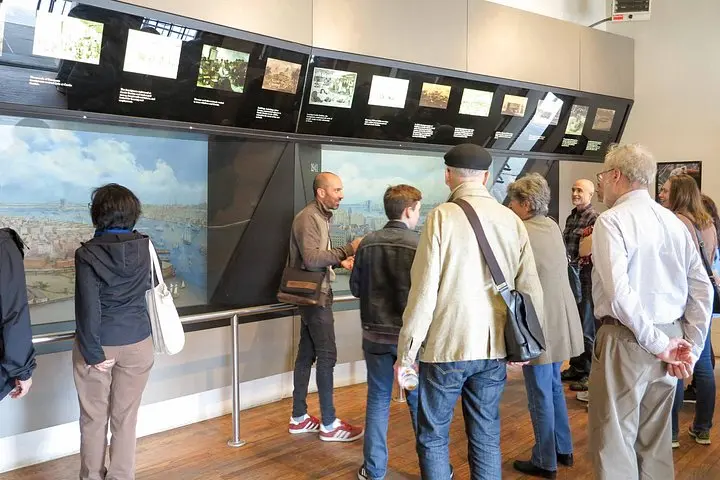
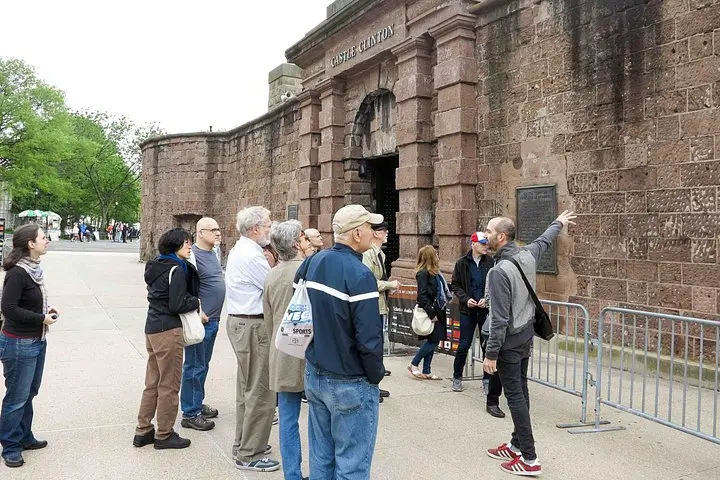
This 90–105 minute walk threads history into the city’s edges. The Dutch arrived in the early 1600s to trade; they built a battery of cannon where the park gets its name, and over centuries landfill and engineered shoreline reshaped the tip of Manhattan. Castle Clinton, now a visitors center, holds hand-carved models that show the city’s leap from colonial trading post to global port. The U.S. Custom House, today the National Museum of the American Indian, and the first public park—opened in 1733—trace civic growth, while immigration and wartime memorials mark the human tides that flowed through these docks.
Practically speaking: the route is flat and wheelchair accessible, mostly paved and brief enough for a wide range of travelers. Wear comfortable shoes for brief cobbles, bring a water bottle and layered clothing—the harbor can be chilly even on warm days—and arrive early for softer light and fewer crowds. Public transit drops you a short walk away and the guide will point out nuanced details many visitors miss. Respect memorials and avoid stepping onto lawns; these are working public spaces with living history at every turn.
Meet on the Broadway side of the Citi Bank building at the corner of Broadway and Battery Place by the bronze plate.
Yes; the itinerary and most surfaces are wheelchair and stroller accessible.
The tour runs about 90–105 minutes and covers a compact stretch of Lower Manhattan, primarily Battery Park and nearby streets—expect light, continuous walking without strenuous elevation.
Admission to museums is not included; the tour enters Castle Clinton visitor areas and examines models that are typically viewable without paid admission, but check with the guide for current access rules.
New York Art Walks and Urban Adventures operates guided outdoor trips and adventures with an emphasis on safety, stewardship, and memorable experiences.

Stand at the corner of Broadway and Battery Place where a bronze plate marks the meeting point, feel the harbor wind pushing past you toward the Manhattan skyline, and let the cobbles and seawall guide your steps. The river dares you to look back at the island that was once a fortified outpost; gulls wheel like punctuation between past and present.
Stand at the corner of Broadway and Battery Place where a bronze plate marks the meeting point, feel the harbor wind pushing past you toward the Manhattan skyline, and let the cobbles and seawall guide your steps. The river dares you to look back at the island that was once a fortified outpost; gulls wheel like punctuation between past and present.
This 90–105 minute walk threads history into the city’s edges. The Dutch arrived in the early 1600s to trade; they built a battery of cannon where the park gets its name, and over centuries landfill and engineered shoreline reshaped the tip of Manhattan. Castle Clinton, now a visitors center, holds hand-carved models that show the city’s leap from colonial trading post to global port. The U.S. Custom House, today the National Museum of the American Indian, and the first public park—opened in 1733—trace civic growth, while immigration and wartime memorials mark the human tides that flowed through these docks.
Practically speaking: the route is flat and wheelchair accessible, mostly paved and brief enough for a wide range of travelers. Wear comfortable shoes for brief cobbles, bring a water bottle and layered clothing—the harbor can be chilly even on warm days—and arrive early for softer light and fewer crowds. Public transit drops you a short walk away and the guide will point out nuanced details many visitors miss. Respect memorials and avoid stepping onto lawns; these are working public spaces with living history at every turn.