THE ADVENTURE COLLECTIVE® · Independent discovery and booking for outdoor travel

Explore Casco Antiguo on foot to trace Panama’s layered history—from 17th-century Spanish rebuilds to canal-era architecture—while sampling local flavors and hidden viewpoints. This 2.5-hour private walking tour highlights churches, plazas and craft stops with practical tips for timing and gear.
Explore Casco Antiguo on foot to trace Panama’s layered history—from 17th-century Spanish rebuilds to canal-era architecture—while sampling local flavors and hidden viewpoints. This 2.5-hour private walking tour highlights churches, plazas and craft stops with practical tips for timing and gear.
You step off the modern avenue and onto narrow, cobbled streets where plaster facades face the bay and laundry flutters like small flags between balconies.
Verified experiences and guided adventures in the surrounding area.
Operated by XploreToursPty · Panama City, Panamá Province
You step off the modern avenue and onto narrow, cobbled streets where plaster facades face the bay and laundry flutters like small flags between balconies.
Casco Antiguo (Casco Viejo) is a living map of Panama’s collisions and collaborations: 17th-century Spanish rebuilding after the 1671 sack of the old city, French and American architectural flourishes from the Panama Canal era, and contemporary restorations that hold museums, cafes and churches. The neighborhood sits on a limestone and clay isthmus that meets the Pacific’s Gulf of Panama; tides and tropical rains have shaped its shoreline and street drainage for centuries.
Walk past Iglesia de San José with its gold altar, through Plaza de la Independencia, and across avenues where Art Nouveau windows and neoclassical columns rub shoulders with street-food stalls selling raspao (local shaved ice). Guides often point out colonial masonry techniques, canal-era warehouses converted into apartments, and local artisans keeping traditional crafts alive.
Practical guidance: this is a mostly flat, urban walk of roughly 2–3 hours with frequent stops and short climbs to viewpoints and plazas. Wear closed-toe walking shoes for cobbles, carry sun protection and a small umbrella for sudden showers—Panama’s weather shifts quickly. Bring cash for small purchases, and plan mid-morning or late afternoon departures to avoid peak sun and to catch golden-hour light on the bay. Respect private residences and active renovation sites; the best experience balances curiosity with consideration for residents and conservation efforts.
The meeting point is central Plaza or in front of Hotel Central, but private pickup can be arranged depending on booking details—confirm with the operator.
Many main plazas and some streets are wheelchair accessible, but uneven cobblestones and steps at older buildings can limit access to certain viewpoints—check with the provider for specifics.
Yes; infants can ride in strollers and the tour is family-friendly, though older cobbled sections may require folding strollers at times.
Guides commonly speak Spanish and English on well-trafficked tours; tipping is customary for good service—around 10–15% or a local equivalent is appropriate.
XploreToursPty operates guided outdoor trips and adventures with an emphasis on safety, stewardship, and memorable experiences.
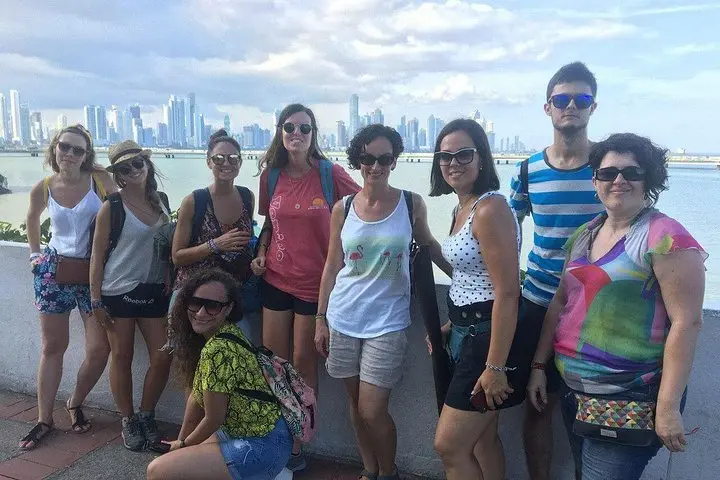
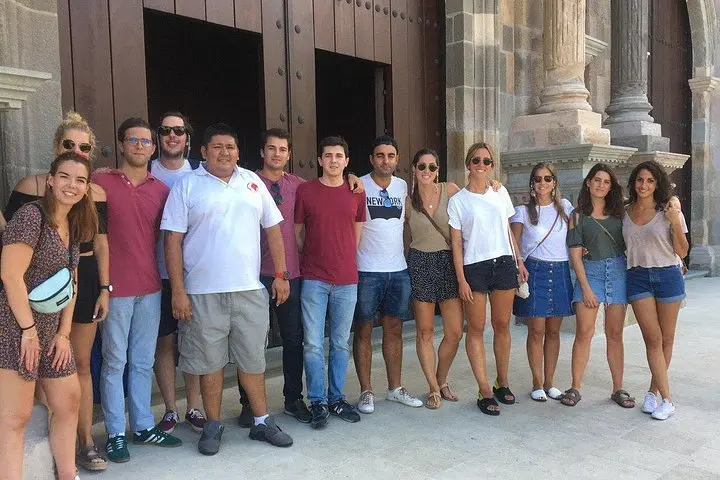
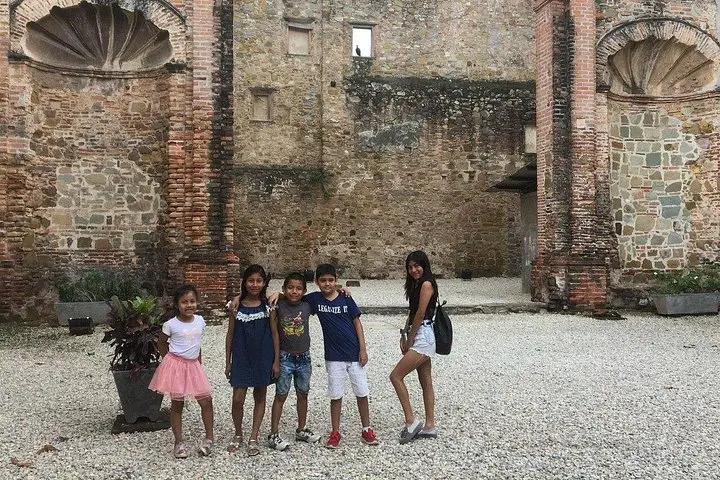
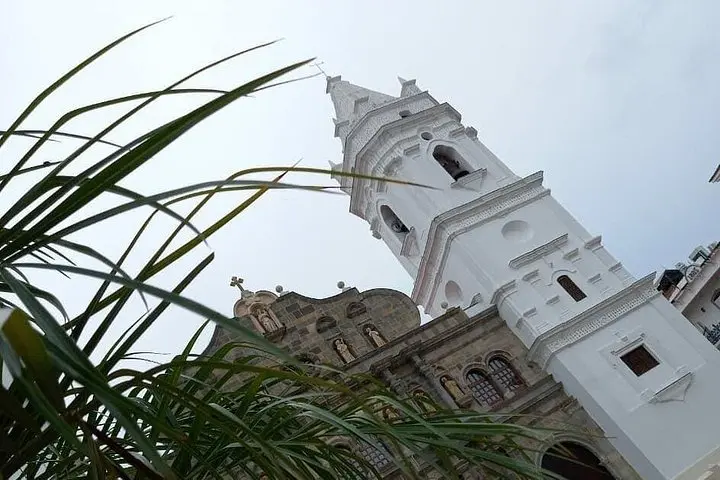
You step off the modern avenue and onto narrow, cobbled streets where plaster facades face the bay and laundry flutters like small flags between balconies.
You step off the modern avenue and onto narrow, cobbled streets where plaster facades face the bay and laundry flutters like small flags between balconies.
Casco Antiguo (Casco Viejo) is a living map of Panama’s collisions and collaborations: 17th-century Spanish rebuilding after the 1671 sack of the old city, French and American architectural flourishes from the Panama Canal era, and contemporary restorations that hold museums, cafes and churches. The neighborhood sits on a limestone and clay isthmus that meets the Pacific’s Gulf of Panama; tides and tropical rains have shaped its shoreline and street drainage for centuries.
Walk past Iglesia de San José with its gold altar, through Plaza de la Independencia, and across avenues where Art Nouveau windows and neoclassical columns rub shoulders with street-food stalls selling raspao (local shaved ice). Guides often point out colonial masonry techniques, canal-era warehouses converted into apartments, and local artisans keeping traditional crafts alive.
Practical guidance: this is a mostly flat, urban walk of roughly 2–3 hours with frequent stops and short climbs to viewpoints and plazas. Wear closed-toe walking shoes for cobbles, carry sun protection and a small umbrella for sudden showers—Panama’s weather shifts quickly. Bring cash for small purchases, and plan mid-morning or late afternoon departures to avoid peak sun and to catch golden-hour light on the bay. Respect private residences and active renovation sites; the best experience balances curiosity with consideration for residents and conservation efforts.