THE ADVENTURE COLLECTIVE® · Independent discovery and booking for outdoor travel

Trace real dinosaur footprints along Asturias’ Jurassic Coast, beginning at the MUJA and finishing with seafood in Llastres. This five-hour guided walk mixes museum exhibits, shoreline fossil searching and coastal village culture.
Trace real dinosaur footprints along Asturias’ Jurassic Coast, beginning at the MUJA and finishing with seafood in Llastres. This five-hour guided walk mixes museum exhibits, shoreline fossil searching and coastal village culture.
Gray cliffs, wind-swept grass and a sea that feels older than memory set the scene for this coastal walk along Asturias’ Dinosaur Coast. Visitors meet outside the Jurassic Museum of Asturias (MUJA), whose footprint-shaped silhouette perches above the Cantabrian Sea, then follow a guide to beaches and rocky shelves where real sauropod prints mark ancient mudstone.
Verified experiences and guided adventures in the surrounding area.
Operated by intoAsturias · Colunga, Asturias
Gray cliffs, wind-swept grass and a sea that feels older than memory set the scene for this coastal walk along Asturias’ Dinosaur Coast. Visitors meet outside the Jurassic Museum of Asturias (MUJA), whose footprint-shaped silhouette perches above the Cantabrian Sea, then follow a guide to beaches and rocky shelves where real sauropod prints mark ancient mudstone.
Geology here is overt: Jurassic limestone and sandstone layers tilt toward the sea, preserving footprints and fossil beds created when dinosaurs and marine reptiles walked and swam across tidal flats 150 million years ago. Asturias’ fishing villages, including the final stop in Llastres, carry maritime traditions—stone harbors, sidestreets scented with frying garlic and fresh seafood—that contrast with the museum’s scientific displays.
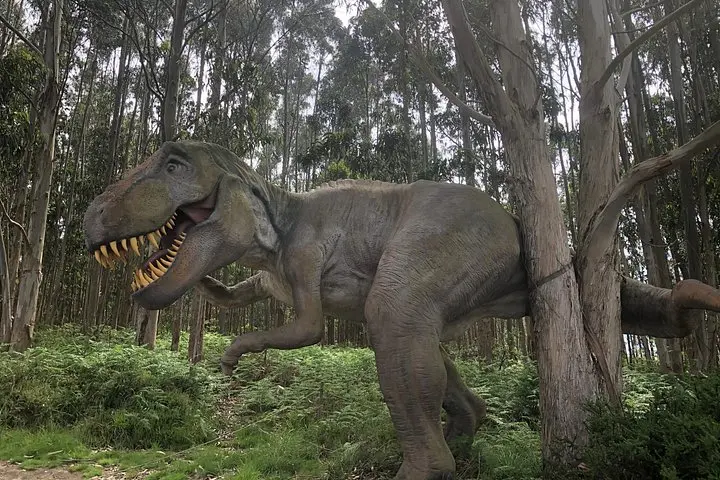
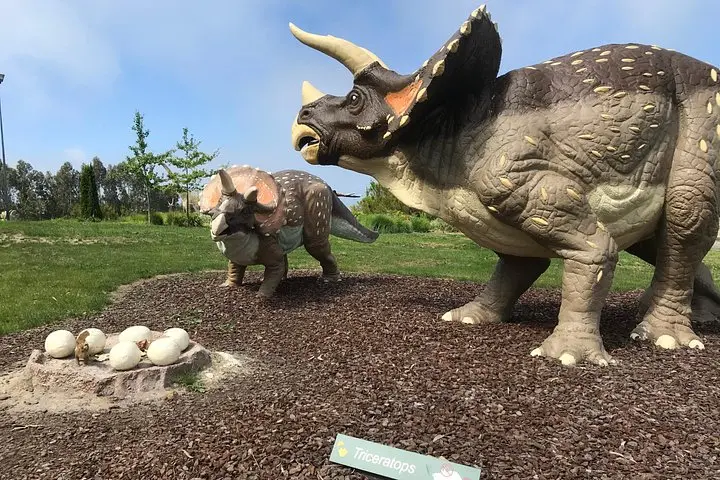
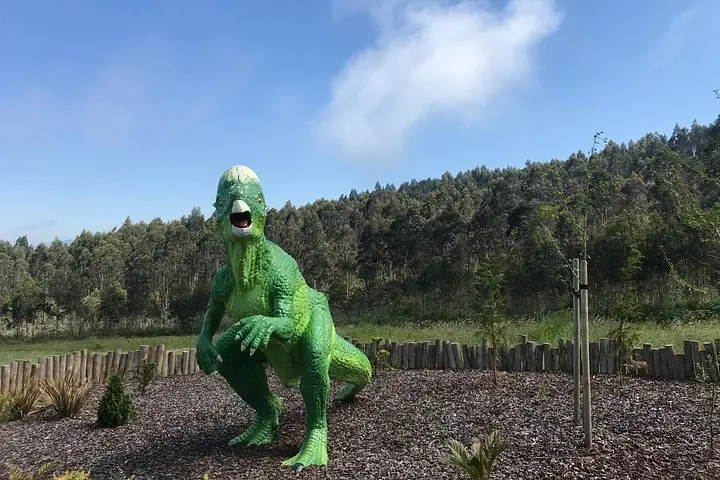
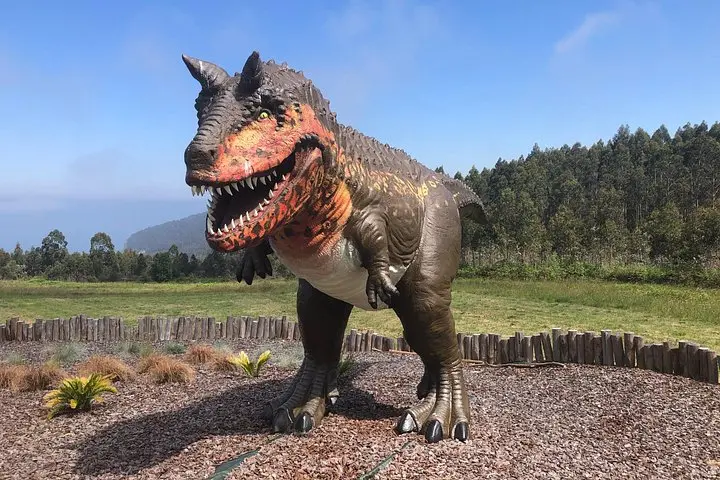
The museum contextualizes finds with casts, fossils and family-friendly exhibits in its garden; on the shore the guide points out trackways, scale, and how tides and erosion reveal or conceal prints. The Cantabrian Sea dares you to test its cold; tide windows and firm footwear determine how much shoreline you can explore.
Practical: the full experience runs about five hours and is suitable for most fitness levels. Expect uneven beach and cliff-path terrain, short rocky scrambles and sections of sand. Bring layered clothing for sudden onshore wind, check tide times before heading to exposed trackways, and reserve extra time in Llastres for a seafood lunch. The route combines accessible museum learning with hands-on fossil spotting—a compact natural-history day that pairs science, shoreline walking and local gastronomy.
Yes; the tour and MUJA exhibits are family-friendly and the shore sections are appropriate for children able to walk on uneven ground.
Yes, the tour includes entrance to the Jurassic Museum of Asturias (MUJA).
You can take a dip at La Griega when conditions are safe—bring swimwear and be mindful of cold water and currents.
Many tracksites are a short drive or walk from MUJA; your guide will select accessible shore sections depending on tide and weather.
intoAsturias operates guided outdoor trips and adventures with an emphasis on safety, stewardship, and memorable experiences.
Gray cliffs, wind-swept grass and a sea that feels older than memory set the scene for this coastal walk along Asturias’ Dinosaur Coast. Visitors meet outside the Jurassic Museum of Asturias (MUJA), whose footprint-shaped silhouette perches above the Cantabrian Sea, then follow a guide to beaches and rocky shelves where real sauropod prints mark ancient mudstone.
Gray cliffs, wind-swept grass and a sea that feels older than memory set the scene for this coastal walk along Asturias’ Dinosaur Coast. Visitors meet outside the Jurassic Museum of Asturias (MUJA), whose footprint-shaped silhouette perches above the Cantabrian Sea, then follow a guide to beaches and rocky shelves where real sauropod prints mark ancient mudstone.
Geology here is overt: Jurassic limestone and sandstone layers tilt toward the sea, preserving footprints and fossil beds created when dinosaurs and marine reptiles walked and swam across tidal flats 150 million years ago. Asturias’ fishing villages, including the final stop in Llastres, carry maritime traditions—stone harbors, sidestreets scented with frying garlic and fresh seafood—that contrast with the museum’s scientific displays.
The museum contextualizes finds with casts, fossils and family-friendly exhibits in its garden; on the shore the guide points out trackways, scale, and how tides and erosion reveal or conceal prints. The Cantabrian Sea dares you to test its cold; tide windows and firm footwear determine how much shoreline you can explore.
Practical: the full experience runs about five hours and is suitable for most fitness levels. Expect uneven beach and cliff-path terrain, short rocky scrambles and sections of sand. Bring layered clothing for sudden onshore wind, check tide times before heading to exposed trackways, and reserve extra time in Llastres for a seafood lunch. The route combines accessible museum learning with hands-on fossil spotting—a compact natural-history day that pairs science, shoreline walking and local gastronomy.